Why Do Mosquitoes Seem to Bite Some People More Than Others?
Why Do Mosquitoes Seem to Bite Some People More Than Others?
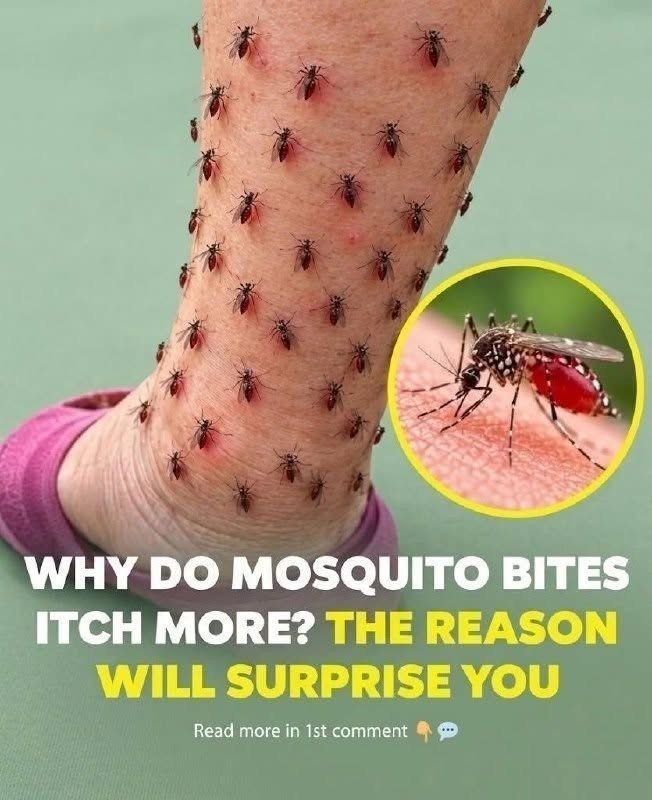
Ever sit outside with friends on a warm evening only to end up covered in itchy red welts while everyone else leaves unscathed? It is not bad luck—mosquitoes rely on specific biological and environmental cues to pick their favorite targets. In this guide, you will learn the exact signals that draw mosquitoes to your skin, why some bites itch more intensely than others, and practical steps to make yourself invisible to them.
Step 1 — Understand the Cues That Attract Mosquitoes
Female mosquitoes use specialized sensors to detect heat, gas, and skin chemistry from dozens of feet away before deciding where to land.
What to do: Identify which personal scent, heat, or visual triggers make you stand out outdoors.
How to do it: Pay attention to four major biological magnets:
Carbon Dioxide ($CO_2$) Output: Larger individuals, pregnant people, and anyone exercising exhale more $CO_2$, creating a stronger trail for mosquitoes to follow.
Skin Chemistry and Sweat: Lactic acid, uric acid, and ammonia released through sweat—combined with your unique skin microbiome—act like a dinner bell.
Body Heat and Blood Type: Warmer skin temperatures and Type O blood consistently attract higher landing rates in controlled studies.
Dark Clothing: Mosquitoes use vision at close range, locking onto high-contrast dark colors like black, navy, and red.
Practical explanation: You cannot change your blood type or genetics, so understanding your natural attractants helps you block the signals mosquitoes rely on most.
Step 2 — Reduce Your Scent and Visual Signature Before Going Outside
Making simple adjustments to your clothing and skincare routine dramatically lowers how appealing you appear to hungry mosquitoes.
What to do: Mask your skin chemistry with proven repellents and switch to light-colored, loose-fitting clothing.
How to do it: Apply an EPA-registered repellent containing DEET, picaridin, or oil of lemon eucalyptus onto exposed skin, and wear light-colored long sleeves or pants during dusk and dawn.
Common mistake to avoid: Relying on citronella candles, ultrasonic wristbands, or eating garlic and vitamin B1—none of these reliably mask $CO_2$ or skin acids, nor do they stop bites from itching more once you are bitten. (The real reason some bites itch worse is your immune system’s histamine reaction to mosquito saliva, which spikes when you scratch or have heightened sensitivity to a specific species.)
“Read the Next Page for More Details”
Pages: 1 2