How Many Faces Do You See in the Clouds? A Fun Perception Test
How Many Faces Do You See in the Clouds? A Fun Perception Test
This image hides several faces in the clouds, and the number you spot first is a popular social-media “personality test.” It’s entertaining, but not science. Here’s how to count the faces carefully, what the common interpretations say, and why your result says more about attention and perception than your true personality.
(Note: There’s no scientific evidence that the number of faces you see reveals personality. Treat the interpretations below as light entertainment.)
Step 1 — Count the Faces Carefully
What to do: Look at the whole image and count every face you can find.
How to do it: Scan the picture in sections: top left, top right, center, left edge, right edge, and bottom. In this image, you can find roughly seven faces: a large one top left, a large one top right, a woman in the center, a small one on the left edge, a small faint one on the right, a large one at the bottom, and a small one near the sunset. Some viewers spot fewer at first glance, while others find extra faces in cloud shapes that only resemble features.
Common mistake to avoid: Stopping at the first two or three obvious faces. The smaller, fainter ones are easy to miss.
Step 2 — Read the Popular Interpretations
What to do: Compare your count with the typical “meanings” circulated for this type of test.
How to do it: These descriptions are informal and vary by source, so use them as a conversation starter:
- 1 to 2 faces: Focused and practical, you concentrate on what’s directly in front of you.
- 3 to 4 faces: Balanced and observant, you notice both the big picture and some detail.
- 5 to 6 faces: Curious and imaginative, you tend to look for patterns and hidden meaning.
- 7 or more: Highly detail-oriented and creative, you rarely miss small things.
Common mistake to avoid: Taking the result seriously. These interpretations are invented by the people sharing them, and different posts give different meanings for the same number.
Step 3 — Understand Why You See Faces
What to do: Learn the real science behind the effect.
How to do it: Seeing faces in clouds, wood grain, or electrical outlets is called pareidolia, a normal tendency of the human brain to detect faces in random patterns. Faces are so important to humans that our brains are tuned to find them quickly. This image also appears digitally created or enhanced, which makes the faces more obvious than real clouds would.
Common mistake to avoid: Assuming that seeing more faces means you’re “better” or “worse” at anything. It mostly reflects how long you looked and how closely.
“Read the Next Page for More Details”
Similar Posts
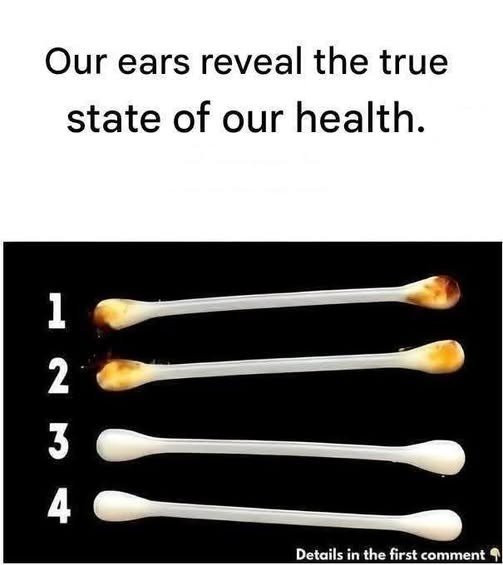
What Your Earwax Color Reveals About Your Health (And How to Clean Your Ears Safely)
What Your Earwax Color Reveals About Your Health (And How to Clean Your Ears Safely) Most people toss their cotton swab straight into the bin without a second glance, missing simple clues about how their ears are functioning. From pale yellow to dark brown or even black, shifts in earwax shade usually reflect wax age,…
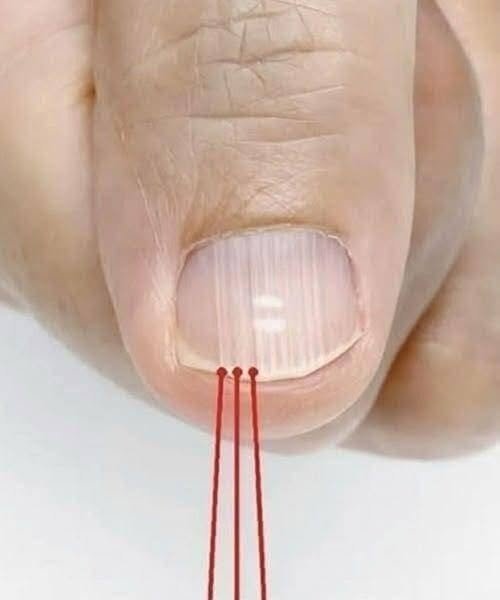
f you have these lines on your nails after 40, it is a clear sign that..
Fine vertical ridges running from the cuticle to the tip are very common after 40, and the image’s claim that they are “a clear sign” of a serious problem is misleading. Most of the time they’re a normal part of aging. This guide explains the usual causes, the warning signs worth checking, and simple ways…
Raisins: How This Everyday Plant Supports Your Liver, Eyesight, Gut, Heart, and Bones (Recipe)
Raisins: How This Everyday Plant Supports Your Liver, Eyesight, Gut, Heart, and Bones (Recipe) While no single food literally cures everything, dark raisins—dried grapes—have earned viral fame for supporting total-body wellness. Packed with polyphenols, potassium, fiber, and boron, this humble pantry staple nourishes your heart, bones, digestion, eyesight, and overall vitality. In this guide, you…
The secret car button that almost no one knows about and is key to driving at night
The Secret Car Button That Almost No One Knows About and Is Key to Driving at Night Introduction Driving at night can be challenging, especially when bright headlights from vehicles behind you reflect directly into your eyes. This glare can make it harder to see the road and react quickly. Fortunately, many cars have a…
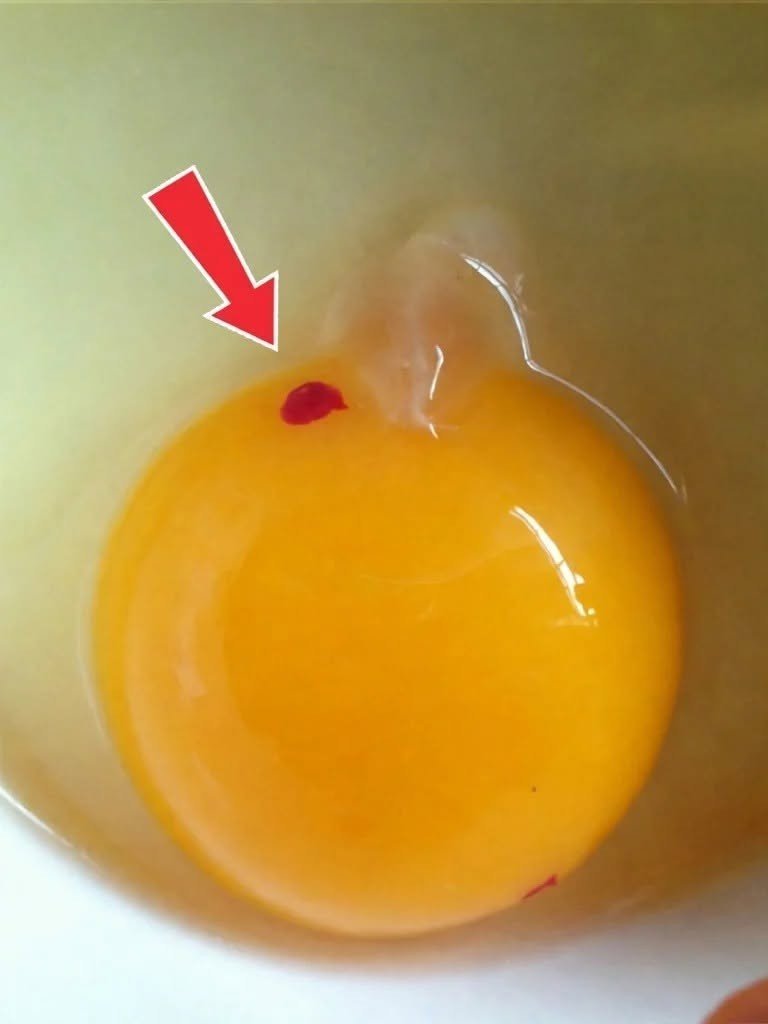
Can You Eat Eggs With White Spots (or Red Spots)? Here’s What You Should Know
Can You Eat Eggs With White Spots (or Red Spots)? Here’s What You Should Know Cracking open a fresh egg only to find a thick white string, a pale speck, or a tiny red spot on the yolk makes many home cooks pause before turning on the stove. Are those spots harmless, or a sign…
8 Habits That Can Cause Body Odor in Older Women (and Simple Ways to Fix Them)
8 Habits That Can Cause Body Odor in Older Women (and Simple Ways to Fix Them) Introduction Body odor can change at any age, and it’s rarely about poor hygiene. Hormonal shifts, medications, dry mouth, skin folds, and a weaker sense of smell can all play a part. This guide explains eight everyday habits that…