6 Warning Signs Your Car Is Trying to Tell You Something
6 Warning Signs Your Car Is Trying to Tell You Something
Your car often gives you warning signs before a small problem turns into an expensive repair. Strange noises, dashboard lights, unusual smells, and changes in how your vehicle drives should never be ignored. But how do you know which signs require immediate attention? Here are six common warning signals every driver should recognize and what you should do when they appear.
Step 1 — Pay Attention to Dashboard Warning Lights
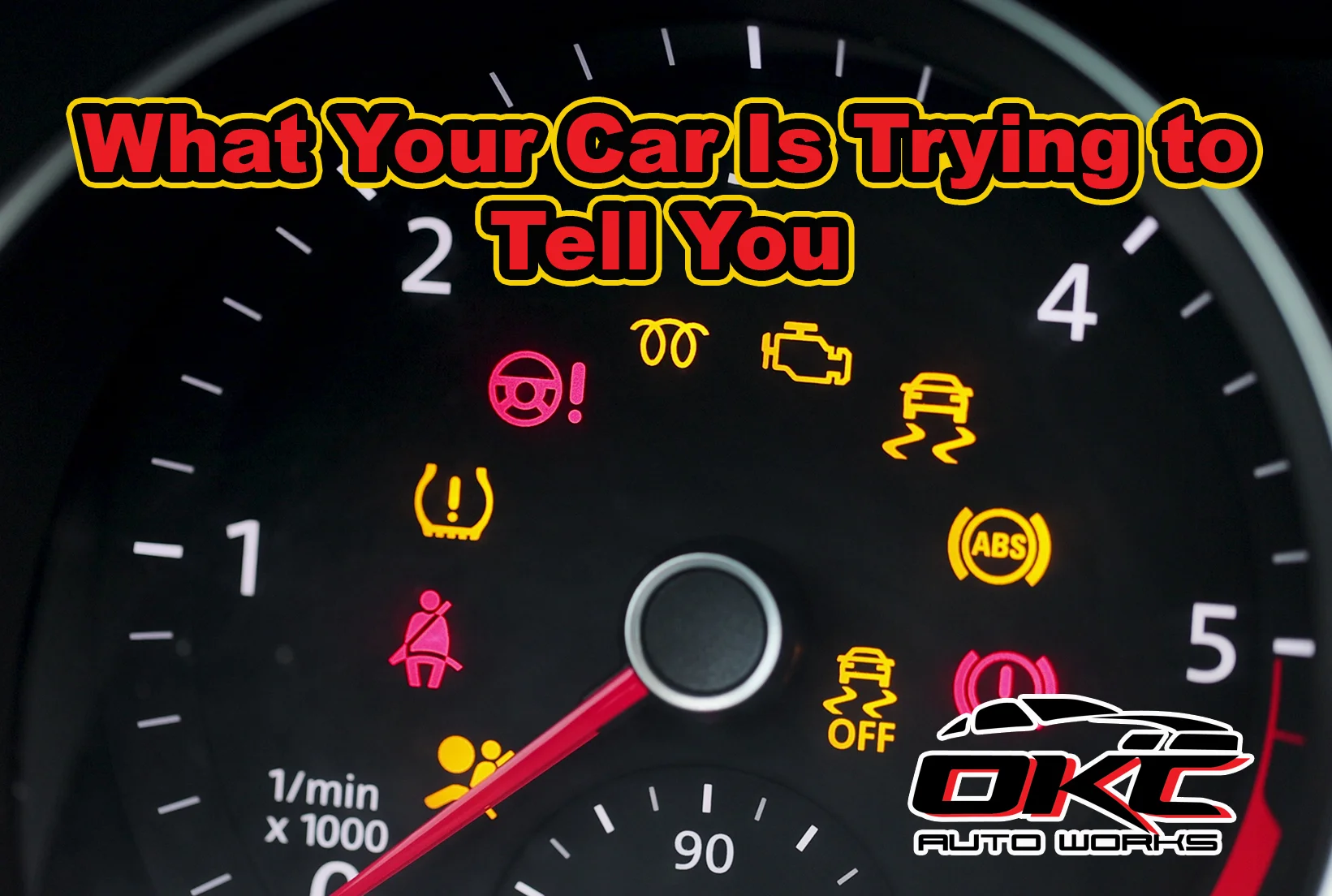
One of the easiest ways your vehicle communicates a problem is through its dashboard warning lights.
Some lights indicate minor issues, while others can signal a serious mechanical or safety problem.
Here are six warning signs to recognize:
1. Check Engine Light
This light can indicate problems involving the engine, emissions system, or other components. Sometimes the issue is relatively minor, such as a loose fuel cap, but it should not be ignored.
2. Oil Pressure Warning Light
Low oil pressure can prevent important engine components from receiving proper lubrication. If this warning appears while driving, safely stop the engine as soon as possible.
3. Battery Warning Light
This may indicate a problem with the charging system, alternator, battery connections, or related electrical components.
4. Brake Warning Light
A brake warning light may indicate low brake fluid, a parking brake that has not been released, or a problem with the braking system.
5. Tire Pressure Warning Light
This warning may mean one or more tires have incorrect pressure. Check all tires using a reliable pressure gauge.
6. Engine Temperature Warning Light
An overheating warning can indicate a cooling system problem. Continuing to drive may cause serious engine damage.
Step 2 — Listen for Unusual Noises and Notice Strange Smells
Not every car problem appears on the dashboard. Sometimes your ears and nose can help you recognize trouble.
Pay attention to these common warning signs:
- Squealing brakes: May indicate worn brake pads or another braking-system issue.
- Grinding sounds: Could suggest worn components, including problems with brakes or bearings.
- Knocking from the engine: May indicate a mechanical problem that needs prompt inspection.
- Burning smell: Could come from overheated brakes, electrical components, or leaking fluids.
- Sweet smell: May indicate coolant leaking from the cooling system.
- Fuel smell: Could signal a fuel leak or another potentially dangerous issue.
Common mistake to avoid: Do not turn up the radio to ignore unusual noises. A sound that appears repeatedly may be an early warning of a mechanical problem.
Step 3 — Notice Changes in How Your Car Drives
Sometimes the most important warning sign is a change in the vehicle’s behavior.
Watch for the following:
Steering Problems: If the steering wheel suddenly becomes difficult to turn or the car pulls strongly to one side, have it inspected.
Unusual Vibrations: Shaking through the steering wheel, pedals, or vehicle body may indicate tire, wheel, suspension, or mechanical problems.
Longer Stopping Distance: If your brakes feel different or the car takes longer to stop, avoid unnecessary driving and arrange a professional inspection.
Fluid Leaks: Puddles underneath your parked vehicle may indicate an oil, coolant, brake fluid, or other leak. The color alone cannot reliably identify every fluid.