Chin Hair in Women: What It Means and When to See a Doctor
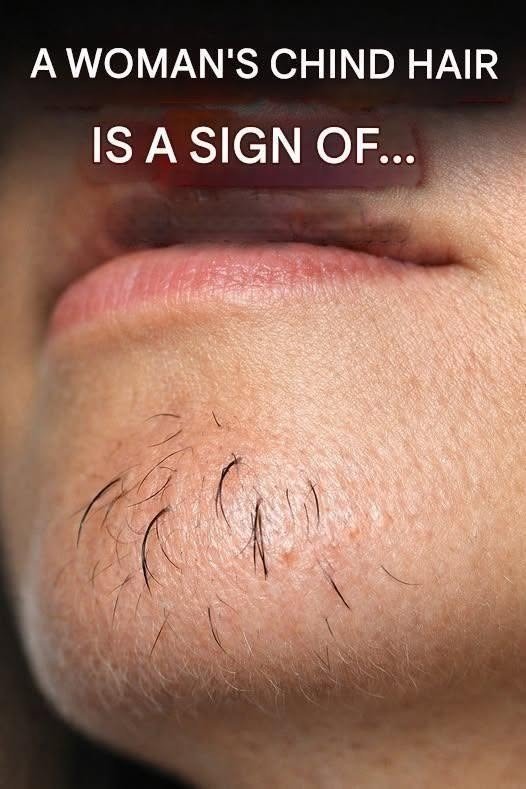
Chin Hair in Women: What It Means and When to See a DoctorFinding a few dark hairs on your chin is very common, and viral posts often hint at something alarming. Most of the time it’s harmless and tied to genetics, age, or hormonal shifts. This guide explains the usual causes, the signs that deserve a medical check, and safe ways to manage unwanted hair.
Step 1: Understand the Common Causes
What to do: Learn what’s typically behind chin hair before worrying.
How to do it: The most frequent explanations are:
- Genetics and ethnicity: Some families and backgrounds naturally have more facial hair.
- Menopause and perimenopause: Estrogen falls while androgens (like testosterone) stay relatively steady, so chin hairs often become thicker or darker.
- Age: Hair follicles become more sensitive to androgens over time.
- Natural variation: Many women have fine vellus hair that occasionally turns coarse.
Common mistake to avoid: Assuming chin hair means something is wrong with your femininity or health. A few stray hairs are normal.
Step 2: Watch for Signs of an Underlying Condition
What to do: Check whether the hair comes with other symptoms.
How to do it: Excess coarse hair on the face, chest, or abdomen can sometimes point to a hormonal condition, most commonly polycystic ovary syndrome (PCOS). Less often it relates to thyroid problems, adrenal or pituitary disorders, or certain medications. Note whether you also have:
- Irregular or missed periods
- Acne or oily skin
- Hair thinning on the scalp
- Unexplained weight gain
- A deepening voice or increased muscle mass
- Hair growth that appeared suddenly or rapidly
Common mistake to avoid: Ignoring rapid changes. Sudden, fast-growing hair with a deeper voice can signal a hormone-related problem and should be checked promptly.