Choose Wisely: Which Type of Magnesium Should You Take?
Choose Wisely: Which Type of Magnesium Should You Take?
Walking down the supplement aisle to grab a bottle of magnesium can quickly turn confusing when you realize there are over ten different forms on the shelf. Picking the wrong one might leave you running to the bathroom instead of sleeping better or easing muscle tension. In this guide, you will learn how to identify your main wellness goal, match it to the right magnesium form, and avoid common dosing mistakes.
Step 1 — Identify Your Primary Health Goal
Because magnesium is bound to different molecules—like amino acids or organic acids—each form absorbs differently and targets specific functions in the body.
What to do: Pinpoint the single main reason you want to take magnesium before shopping.
How to do it: Decide whether you are primarily looking to improve sleep quality, support muscle recovery, ease occasional constipation, or boost daytime focus.
Practical explanation: Choosing a form based on your specific target ensures better bioavailability and reduces the chance of unwanted digestive side effects.
Step 2 — Match Your Goal to the Right Magnesium Form
Once you know what your body needs, select the specific form proven to absorb well for that purpose:
What to do: Check the supplement facts panel for the exact compound name—not just the word “Magnesium” on the front label.
How to do it: Use this quick breakdown to find your best match:
Magnesium Glycinate: Best for relaxation, deeper sleep, and calming tension, as glycine is a soothing amino acid that is gentle on the stomach.
Magnesium Citrate: Best for occasional constipation and general replenishment, since it absorbs well and draws water into the digestive tract.
Magnesium Malate: Best for daytime energy and sore muscles, as malic acid plays a direct role in cellular energy production.
Magnesium L-Threonate: Best for cognitive focus and memory support, as it is uniquely formulated to cross the blood-brain barrier.
Magnesium Taurate: Best for cardiovascular and steady nerve support, pairing magnesium with the amino acid taurine.
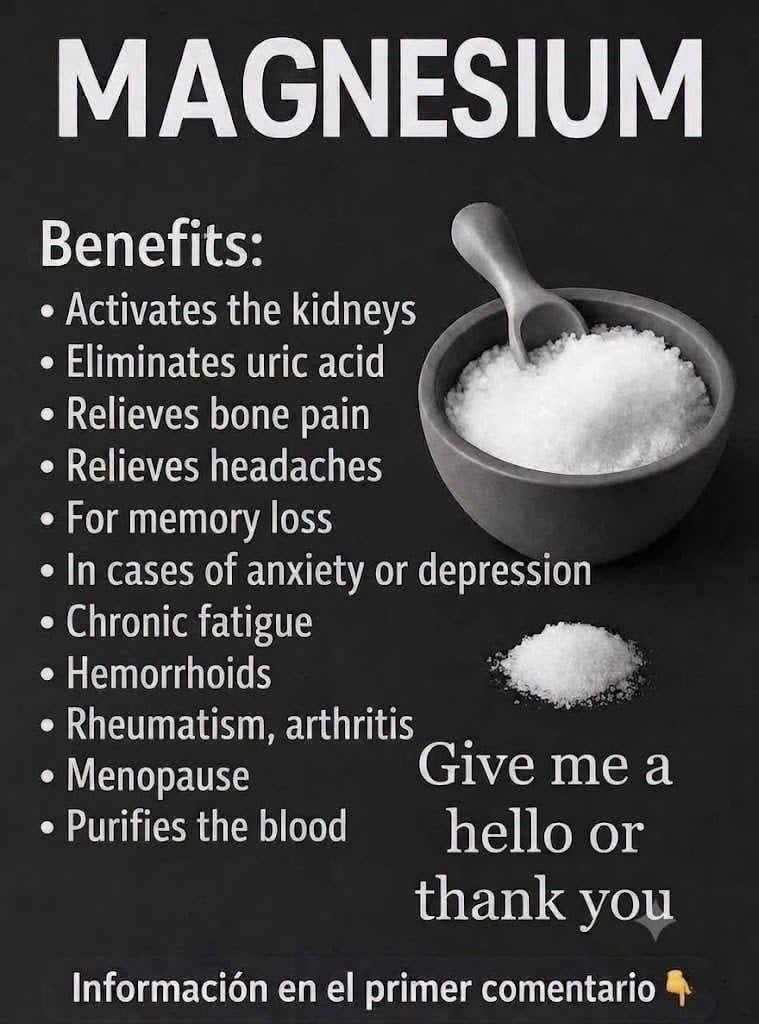
Common mistake to avoid: Do not buy inexpensive Magnesium Oxide expecting strong relaxation or sleep benefits—it has very low absorption and acts mostly as a harsh laxative. Also, avoid relying on viral infographics claiming magnesium “purifies the blood” or cures chronic diseases like arthritis or depression; treat it as targeted nutritional support alongside balanced habits and professional medical advice.
Similar Posts
Can Leaf Paste Really Turn Gray Hair Black in 10 Minutes? Here’s What You Should Know
Can Leaf Paste Really Turn Gray Hair Black in 10 Minutes? Here’s What You Should Know Gray hair is a natural part of aging, but many people look for ways to restore their original hair color without using chemical dyes. You may have seen claims that a simple homemade leaf paste can make gray hair…
What Is the Normal Blood Pressure for Each Age?
What Is the Normal Blood Pressure for Each Age? Blood pressure is one of the most important indicators of your overall health. However, many people wonder whether a normal reading changes as they get older. The answer is not as simple as you might think. In this article, you’ll learn what blood pressure readings generally…
What Does It Mean to See a White Cloth Hanging From a Car Window on the Road, and Why Is It Important?
Searched the web What Does a White Cloth Hanging From a Car Window Mean, and Why Does It Matter? Introduction A white cloth fluttering from a car window can look strange, and online posts often give it dramatic meanings. The truth is simpler. It has no universal meaning, and its interpretation depends on the context,…
The Ingenious Design of the Nail Clipper: How a Tiny Hole Makes a Big Difference
The Ingenious Design of the Nail Clipper: How a Tiny Hole Makes a Big Difference Most people use nail clippers every week without ever noticing the small round hole at the back end of the handle. While it might look like a leftover manufacturing quirk, that tiny opening actually serves several clever, practical purposes in…
When We Were 19, We Made a Promise to Find Each Other at 60 — 41 Years Later, He Finally Called
When We Were 19, We Made a Promise to Find Each Other at 60 — 41 Years Later, He Finally Called Introduction Some promises are made as a joke, but others stay in our hearts for a lifetime. At just 19 years old, Ruth and her best friend Jeffrey made a promise that neither of…
A Strange Message Appears on Thousands of Phones Overnight
A Strange Message Appears on Thousands of Phones Overnight Imagine waking up one morning and finding the same mysterious message on your phone as thousands of other people. Nobody seems to know where it came from or why it appeared. In this fictional technology mystery, an unusual digital message captures everyone’s attention and leaves people…