Visible Veins on Your Hands: What They Mean and When to Worry
Visible Veins on Your Hands: What They Mean and When to Worry
Introduction
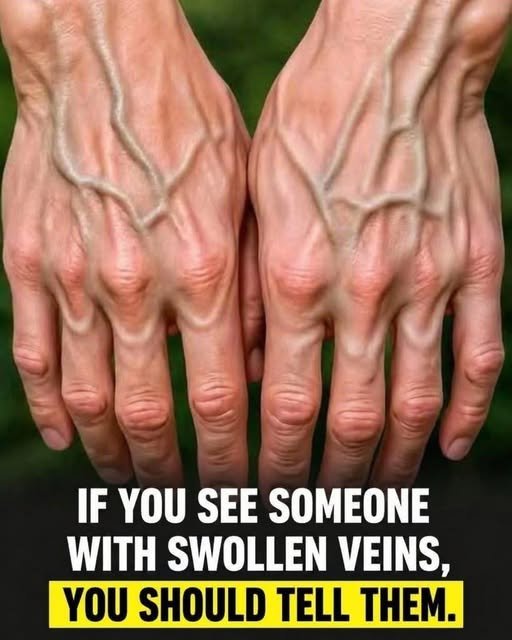
Prominent veins on the hands can look alarming, and social media posts often suggest they signal a hidden disease. In most cases they don’t. Visible veins are usually linked to age, genetics, skin thickness, body fat, and heat. This guide explains the common causes, the warning signs that deserve medical attention, and simple ways to care for your hands.
Step 1: Understand the Common Harmless Causes
What to do: Check whether your visible veins fit one of the usual, non-dangerous explanations.
How to do it: Look at the factors below and see which apply to you:
- Age: Skin thins and loses fat and collagen, so veins show through more clearly.
- Low body fat or regular exercise: Less tissue over the veins, plus increased blood flow during activity, makes them stand out.
- Heat: Warm weather and hot water widen veins near the skin’s surface.
- Genetics and fair skin: Some people simply have more visible veins, and they show more on lighter or thinner skin.
- Sun damage: Years of sun exposure thin and weaken the skin.
Common mistake to avoid: Assuming visible veins automatically mean poor circulation, heart trouble, or high blood pressure. Visible veins alone don’t diagnose any of these.
Step 2: Watch for Warning Signs
What to do: Notice changes that go beyond normal appearance.
How to do it: See a doctor promptly if visible veins come with any of these:
- Sudden swelling in one hand or arm
- Pain, redness, warmth, or a hard, tender cord along a vein
- Skin color changes, sores, or ulcers
- Numbness, tingling, or coldness in the fingers
- Swelling, heaviness, or aching in the legs, or bulging leg veins
Common mistake to avoid: Waiting to see if it passes when symptoms are one-sided or sudden. Conditions such as a blood clot or vein inflammation need quick evaluation.