The Ultimate Guide to Deveining Shrimp: Why It Matters and How to Do It Correctly
The Toothpick Trick for Deveining Shrimp
If you don’t want to cut along the back, you can try a simple toothpick method.
With the shell removed, insert a toothpick gently beneath the digestive tract near the upper curve of the shrimp.
Lift carefully until the dark strand becomes visible.
Then pull it out slowly.
This technique can help preserve the shrimp’s shape.
However, it’s easier on some shrimp than others, and the traditional shallow-cut method is often more reliable.
Should You Devein Small Shrimp?
For very small shrimp, deveining may be impractical because the digestive tract is difficult to access.
Many people cook small shrimp without removing it.
Larger shrimp are generally easier to devein, and the dark line tends to be more noticeable.
Ultimately, the decision depends on your preferences and how you intend to serve the dish.
Common Mistakes to Avoid
Cutting Too Deeply
A deep incision can split the shrimp unnecessarily and affect its appearance.
Pulling Too Quickly
The digestive tract may break, leaving small pieces behind.
Using a Dull Knife
A sharp paring knife allows more precise cuts.
Leaving Shrimp at Room Temperature
Keep raw shrimp refrigerated until preparation and return it to the refrigerator if cooking isn’t immediate.
Overcooking
Shrimp cook quickly and can become rubbery when exposed to heat for too long.
How to Cook Shrimp After Deveining
Once the shrimp are cleaned, they can be prepared in several delicious ways.
Garlic butter shrimp: Sauté with garlic, butter, and a little lemon juice.
Grilled shrimp: Toss with olive oil and seasonings before grilling.
Shrimp pasta: Add cooked shrimp to your favorite creamy or tomato-based pasta sauce.
Shrimp stir-fry: Combine with vegetables and a savory sauce.
Cook shrimp until the flesh becomes firm and opaque. For food safety, the FDA recommends a minimum internal temperature of 145°F (63°C) for seafood.
How to Store Raw Shrimp Safely
Keep raw shrimp refrigerated at 40°F (4°C) or below.
Use refrigerated raw shrimp within 1–2 days, or freeze it for longer storage.
For frozen shrimp, thaw overnight in the refrigerator.
You can also thaw shrimp in a sealed package submerged in cold water, changing the water as needed.
Never leave raw shrimp on the kitchen counter to thaw.
Wash your hands and clean utensils and surfaces after handling raw seafood.
Frequently Asked Questions
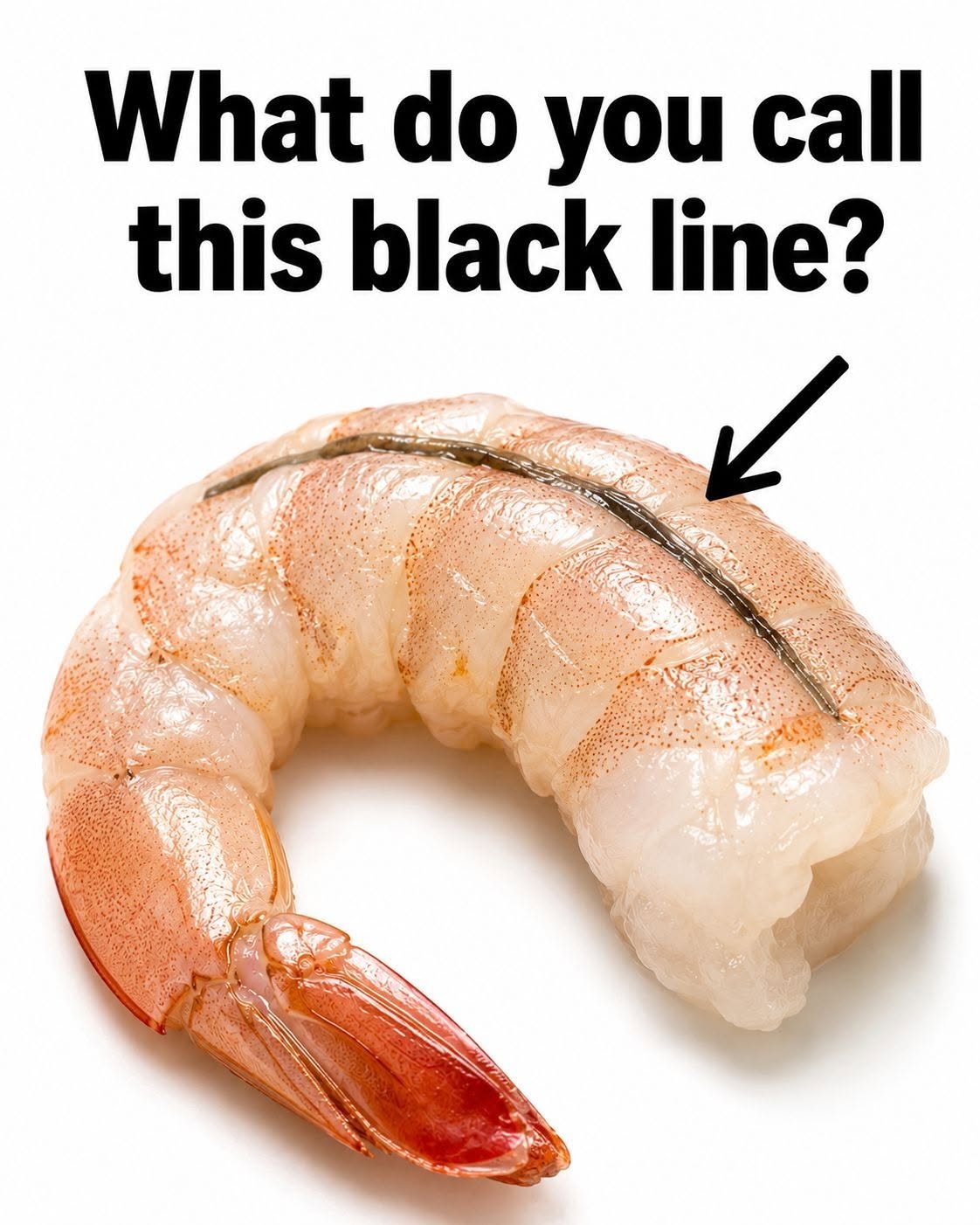
Is the Black Line in Shrimp Poop?
It’s the digestive tract and may contain digested food and waste material.
Can You Eat Shrimp Without Removing the Vein?
Generally, properly cooked shrimp can be eaten without deveining. Removing the tract is mainly a culinary preference.
Is the Black Line a Blood Vessel?
No. Despite being called a vein, it’s part of the digestive system.
Can You Devein Shrimp Before Freezing?
Yes. Cleaned, raw shrimp can be packaged appropriately and frozen.
Do Restaurants Always Devein Shrimp?
Practices vary by restaurant, shrimp size, and preparation style.
What’s the Easiest Way to Devein Shrimp?
A shallow cut along the back followed by gently lifting out the tract is one of the simplest methods.
Final Thoughts
Deveining shrimp is a straightforward kitchen technique that can improve texture and presentation.
The dark line along the back isn’t a blood vessel but the shrimp’s digestive tract, which may contain sand and other material.
Although removing it isn’t always necessary, many cooks prefer doing so, especially when preparing larger shrimp.
With a sharp knife, a little patience, and proper food handling, you can prepare beautifully cleaned shrimp for your favorite seafood recipes.
Once you learn this simple technique, preparing shrimp at home becomes easier and more enjoyable.