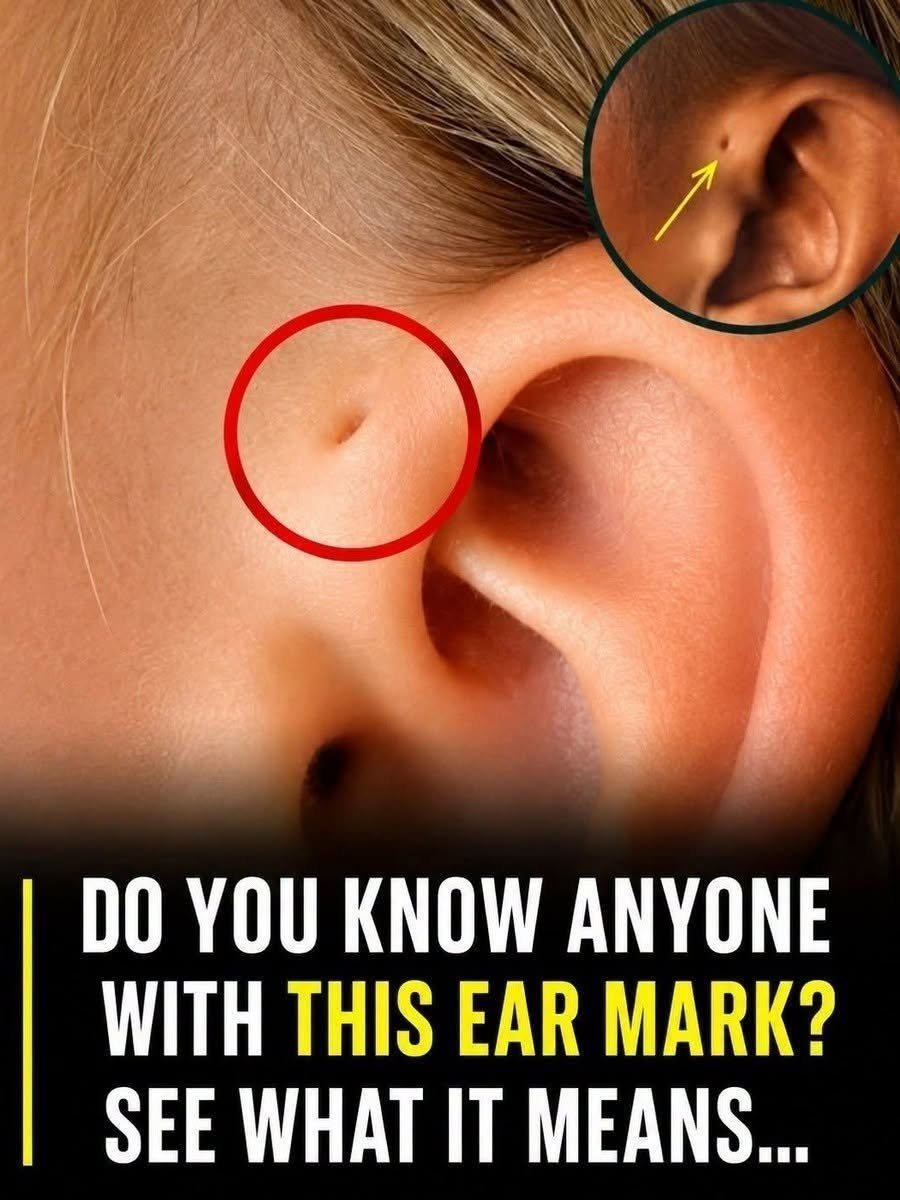
Tiny Hole Near Your Ear? What a Preauricular Pit Really Means
Tiny Hole Near Your Ear? What a Preauricular Pit Really Means
Have you ever noticed a tiny hole or small opening just above your ear, near where the ear meets your face? You might have had it since birth without ever knowing what it is. This unusual feature is called a preauricular pit, and although it may look concerning, it is usually harmless. Here’s what causes it, when it can become a problem, and what you should know about it.
Step 1 — Understand What a Preauricular Pit Is
A preauricular pit is a small opening or indentation found near the front of the ear, usually where the upper part of the ear connects to the face.
It is a congenital feature, meaning a person is born with it. It develops during the early stages of pregnancy when the structures that form the outer ear are developing.
What you should know:
It can appear on one ear or both ears.
It may look like a tiny hole or dimple.
Most people with this feature have no symptoms.
It can remain unchanged throughout life.
In most cases, it is simply a harmless anatomical variation.
Step 2 — Recognize When It Could Become a Problem
Although a preauricular pit is usually harmless, the small opening can sometimes become infected.
Bacteria may enter the opening and cause inflammation or an infection beneath the skin.
Possible warning signs include:
Redness around the opening.
Swelling or tenderness.
Pain near the ear.
Fluid or pus coming from the hole.
An unpleasant smell or repeated discharge.
Common mistake to avoid: Trying to squeeze, scratch, or insert objects into the opening. This can irritate the area and increase the risk of infection.
If you notice these symptoms, contact a healthcare professional for an examination.
Step 3 — Know How It Is Treated
A preauricular pit does not usually require treatment if it causes no problems.
However, if it becomes infected or repeatedly causes discomfort, a doctor may recommend appropriate treatment.
Possible treatment options include:
Antibiotics: May be prescribed when a bacterial infection is present.
Drainage: A healthcare professional may need to drain an abscess if one develops.
Surgery: In cases of repeated infections, surgical removal of the small tract may be recommended.
The appropriate treatment depends on the severity of the condition and the patient’s medical history.