Dental Plaque and Tartar: What You Can Do at Home and What Needs a Dentist
Dental Plaque and Tartar: What You Can Do at Home and What Needs a Dentist
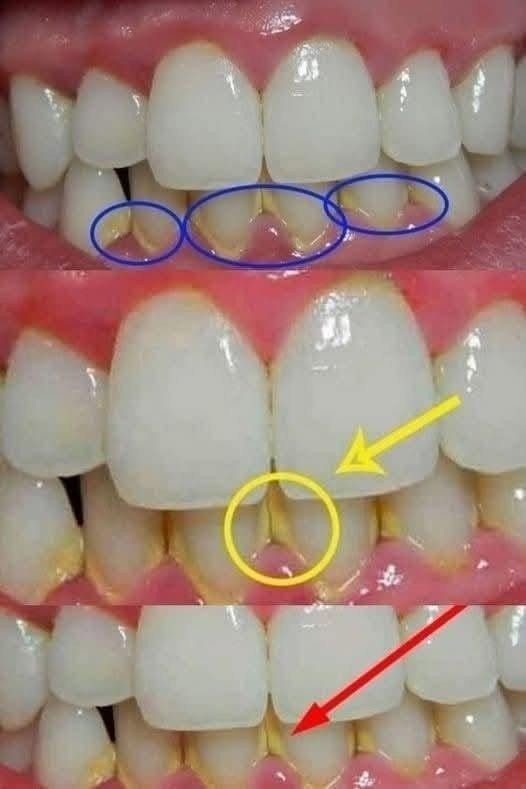
Yellow buildup near the gumline, like the kind circled in the photo, is usually plaque or hardened tartar. Viral posts promise to remove it in five minutes without a dentist, but that’s not realistic. This guide explains the difference between plaque and tartar, what actually works at home, and when a professional cleaning is the only option.
Step 1: Understand Plaque vs. Tartar
What to do: Identify what you’re dealing with before choosing a method.
How to do it:
- Plaque: A soft, sticky film of bacteria that forms constantly. It can be removed with proper brushing and flossing.
- Tartar (calculus): Plaque that has hardened with minerals from saliva. It bonds firmly to teeth, often yellow or brown, and cannot be brushed or scraped off at home.
The yellowish deposits along the gumline in your photo look like they may include tartar, and the gums appear red and swollen, which can signal early gum inflammation (gingivitis). I can’t diagnose from a photo, so a dentist should confirm.
Common mistake to avoid: Believing a home remedy can dissolve tartar. No natural method does.
Step 2: Remove Plaque the Right Way at Home
What to do: Disrupt fresh plaque daily to stop it from hardening.
How to do it:
- Brush for two full minutes, twice a day, with a soft-bristled brush and fluoride toothpaste.
- Angle the bristles at 45 degrees toward the gumline and use gentle circles.
- Floss or use interdental brushes once a day, curving the floss around each tooth.
- Clean your tongue, which harbors bacteria.
- Consider an antibacterial or fluoride mouthwash as a supplement.
Common mistake to avoid: Scrubbing hard. Aggressive brushing wears enamel and irritates gums without removing more plaque.