The Ultimate Guide to Deveining Shrimp: Why It Matters and How to Do It Correctly
The Ultimate Guide to Deveining Shrimp: Why It Matters and How to Do It Correctly
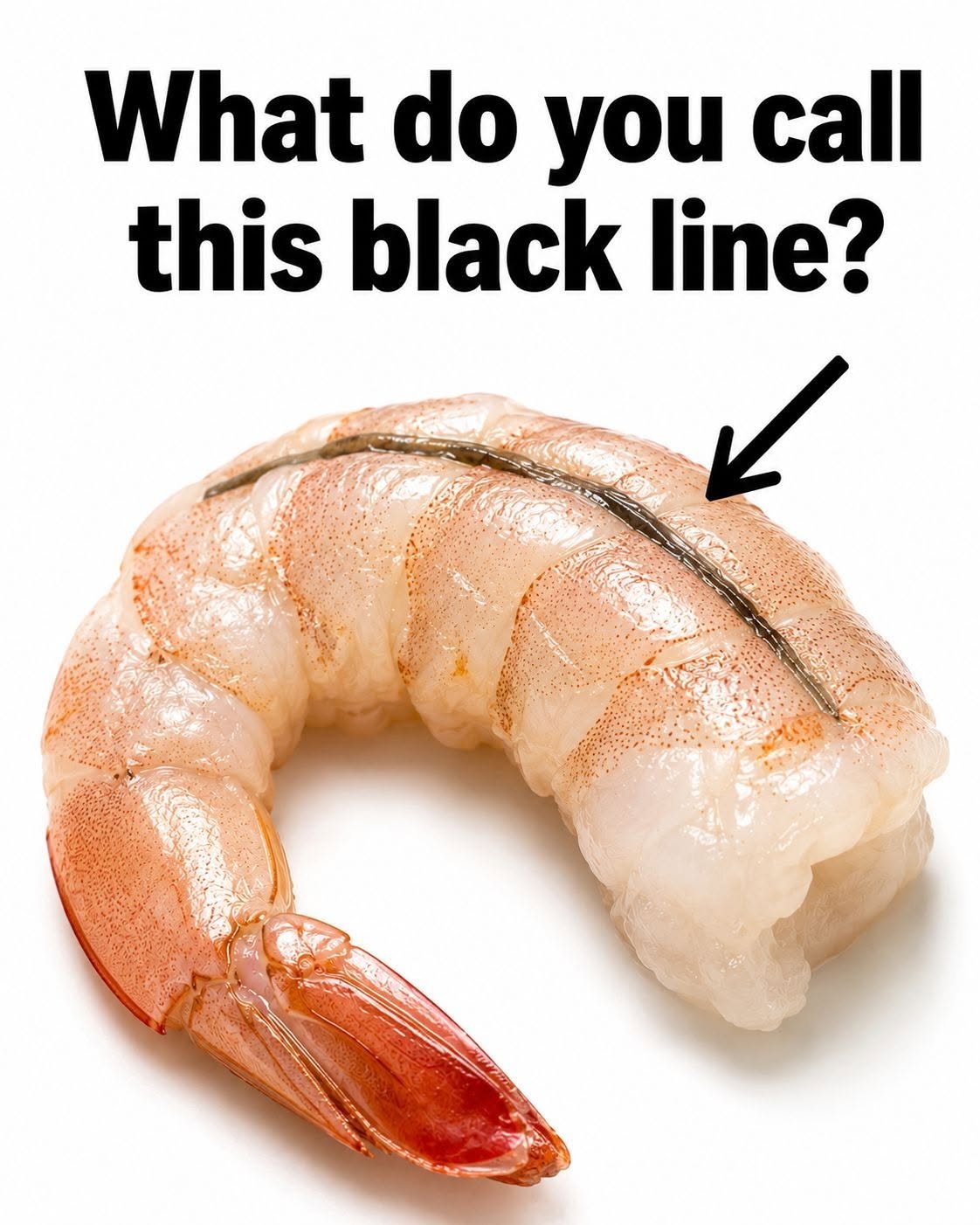
If you’ve ever prepared shrimp at home, you’ve probably noticed a thin, dark line running along its back.
Many people assume it’s a vein, but its real purpose might surprise you.
That dark line is actually the shrimp’s digestive tract, and removing it can make a noticeable difference in the appearance, texture, and sometimes the flavor of your seafood.
But is deveining shrimp absolutely necessary? And what’s the easiest way to do it without damaging the delicate meat?
Here’s everything you need to know.
What Is the Black Line in Shrimp?
The dark line running along the curved back of a shrimp is commonly called the vein.
Despite its name, it isn’t a blood vessel.
It’s the shrimp’s digestive tract, which may contain partially digested food, sand, and other material.
Depending on what the shrimp has eaten, the tract can appear black, brown, gray, or nearly transparent.
In some shrimp, it’s barely visible.
Understanding what this line contains explains why many home cooks prefer to remove it before cooking.
Why Should You Devein Shrimp?
1. Better Texture
One of the most practical reasons to devein shrimp is removing potential grit.
Shrimp may contain small particles of sand or sediment in their digestive tracts.
These can create an unpleasant texture when eating.
Removing the tract helps avoid that possibility.
2. Improved Appearance
A dark line can be particularly noticeable in large shrimp.
Deveining creates a cleaner appearance, especially in dishes where the shrimp are served whole.
3. More Pleasant Flavor
Some shrimp may have a slightly muddy or bitter taste associated with material inside the digestive tract.
Removing it may improve the eating experience.
However, the effect varies, and many smaller shrimp taste perfectly fine without deveining.
Is It Dangerous to Eat Shrimp Without Deveining?
Not necessarily.
The digestive tract is generally not considered inherently dangerous when shrimp are properly handled and thoroughly cooked.
Deveining is primarily a matter of preference, texture, and presentation.
Removing the dark line does not replace proper cooking or food-safety practices.
Raw shrimp can carry harmful microorganisms regardless of whether the digestive tract has been removed.
For safe preparation, seafood should be stored correctly, handled hygienically, and cooked to an appropriate temperature.
What You’ll Need to Devein Shrimp
Fortunately, the process requires very little equipment.
- Fresh or safely thawed shrimp
- A small sharp paring knife
- A clean cutting board
- A toothpick, optional
- Cold running water
- Paper towels
A specialized shrimp deveiner can also make the process easier, but it isn’t essential.
How to Devein Shrimp Step by Step
Step 1: Remove the Shell
Hold the shrimp gently in one hand.
Starting near the underside, remove the legs and peel away the shell.
You can leave the tail attached if you prefer a more decorative presentation.
Step 2: Locate the Dark Line
Turn the shrimp so its curved back faces upward.
Look for the thin, dark line running lengthwise beneath the surface.
This is the digestive tract.
Step 3: Make a Shallow Cut
Using a paring knife, carefully make a shallow slit along the back of the shrimp.
Avoid cutting too deeply because the flesh is delicate.
The goal is simply to expose the tract.
Step 4: Lift Out the Digestive Tract
Use the tip of your knife or a toothpick to gently lift the dark strand.
Pull slowly to remove as much as possible in one piece.
If it breaks, carefully remove the remaining visible sections.
Step 5: Rinse Briefly
Rinse the shrimp under cold running water to remove loosened material.
Avoid soaking it unnecessarily.
Step 6: Pat Dry
Use clean paper towels to dry the shrimp.
This is particularly useful if you plan to sauté, grill, or sear it.