Can You Eat Eggs With White Spots (or Red Spots)? Here’s What You Should Know
Can You Eat Eggs With White Spots (or Red Spots)? Here’s What You Should Know
Cracking open a fresh egg only to find a thick white string, a pale speck, or a tiny red spot on the yolk makes many home cooks pause before turning on the stove. Are those spots harmless, or a sign the egg went bad? Below, you will learn exactly what white spots and blood spots are, how to inspect an egg safely, and when you should cook it versus toss it.
Step 1 — Identify Whether It Is a Chalaza, Meat Spot, or Blood Spot
What to do: Look closely at the spot’s color, shape, and location before throwing away a perfectly good egg.
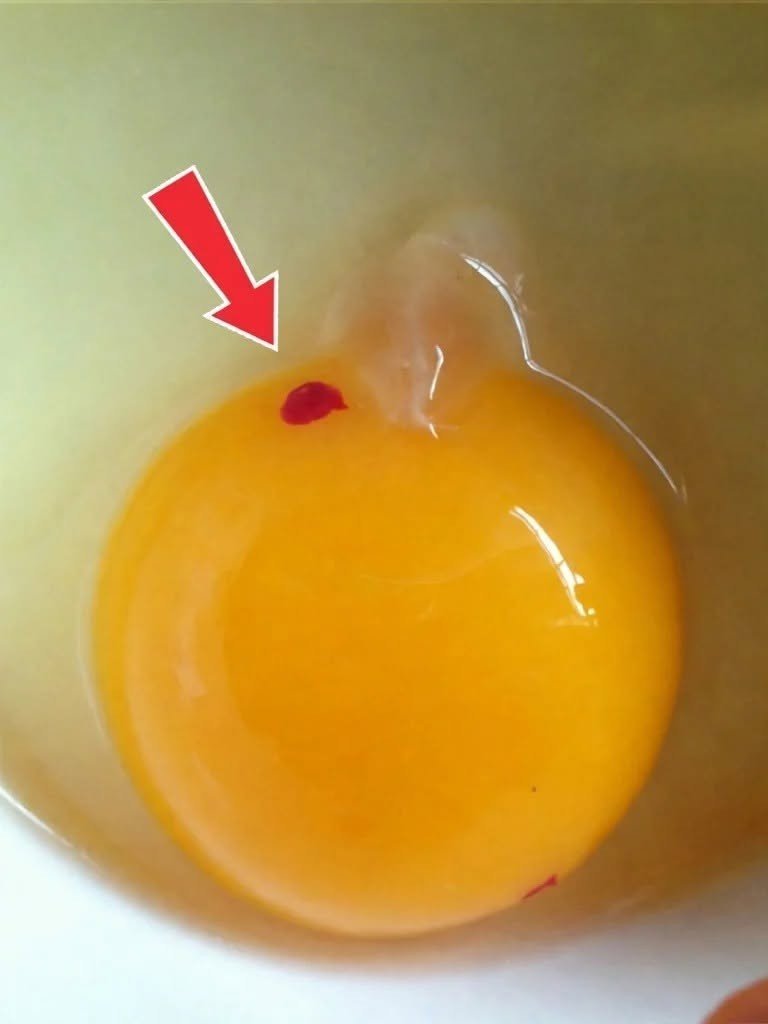
How to do it: Check if the white marking is a twisted, rope-like strand attached to the yolk—that is the chalaza, a natural protein anchor—or a tiny pale speck floating in the white, known as a meat spot. If you notice a small red dot on the yolk like the one highlighted in the image, that is simply a blood spot caused by a tiny ruptured blood vessel during egg formation, not fertilization.
Short practical explanation: Neither white chalazae, minor white meat spots, nor small red blood spots make an egg unsafe to eat—in fact, a thick, noticeable white chalaza is actually a sign of a very fresh egg.
Step 2 — Check for Real Signs of Spoilage and Remove Spots If Desired
What to do: Perform a quick smell and visual freshness check, then scoop out any spot that bothers you visually.
How to do it: Give the cracked egg a quick sniff—fresh eggs have almost no odor—and check that the egg white looks clear or slightly cloudy rather than watery and discolored. If you prefer a uniform appearance before cooking, lift out the tiny red dot or white speck with the tip of a clean spoon or knife.
Common mistake to avoid: Never confuse a harmless small spot with bacterial spoilage. If an egg smells foul or sulfurous, or if the egg white looks pink, green, pearly/iridescent, or fuzzy with mold, discard the entire egg immediately and wash the bowl with hot soapy water.
“Read the Next Page for More Details”
Pages: 1 2