Bleach Stains on Your Clothes? How to Fix Them (and What Really Works)
Bleach Stains on Your Clothes? How to Fix Them (and What Really Works)
Introduction
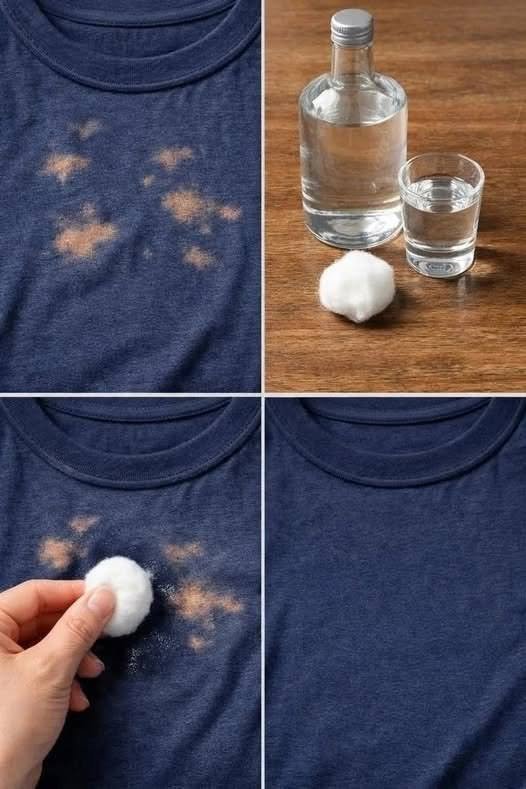
A splash of bleach on your favorite dark shirt feels like an instant wardrobe disaster, leaving behind stubborn orange or pink blotches. Unlike ordinary spills, bleach is not a stain sitting on top of fabric—it actually strips away the original dye. In this guide, you will learn how to neutralize active bleach immediately, separate viral myths from proven fixes, and restore color to ruined garments.
Step 1 — Rinse and Neutralize the Bleach Immediately
If the splash just happened, stopping the chemical reaction right away prevents the spot from spreading or eating holes through the fibers.
What to do: Flush the affected area with cold water and apply a mild neutralizing agent like white vinegar or diluted hydrogen peroxide.
How to do it: Hold the fabric under cold running water for 1 to 2 minutes, then dab the spot with a cotton ball soaked in equal parts white vinegar and water before rinsing thoroughly.
Practical explanation: While viral photos often claim rubbing alcohol or vinegar magically brings color back, neutralizing only stops further dye loss—it does not replace missing pigment.
Step 2 — Assess the Fabric Type and Spot Size
Once the bleach is neutralized and the garment is dry, decide whether touch-up coloring or a full re-dye makes the most sense.
What to do: Check the garment’s care tag for fiber content and measure how large the bleached area is.
How to do it: Look for natural fibers like cotton, linen, or rayon (which absorb dye easily) versus synthetics like polyester (which resist standard dyes), and note whether the spots are tiny pinpricks or wide patches.
Common mistake to avoid: Trying to cover a large, palm-sized bleach blotch with a fabric marker, which creates an uneven, shiny patch that washes out quickly.
“Read the Next Page for More Details”
Pages: 1 2