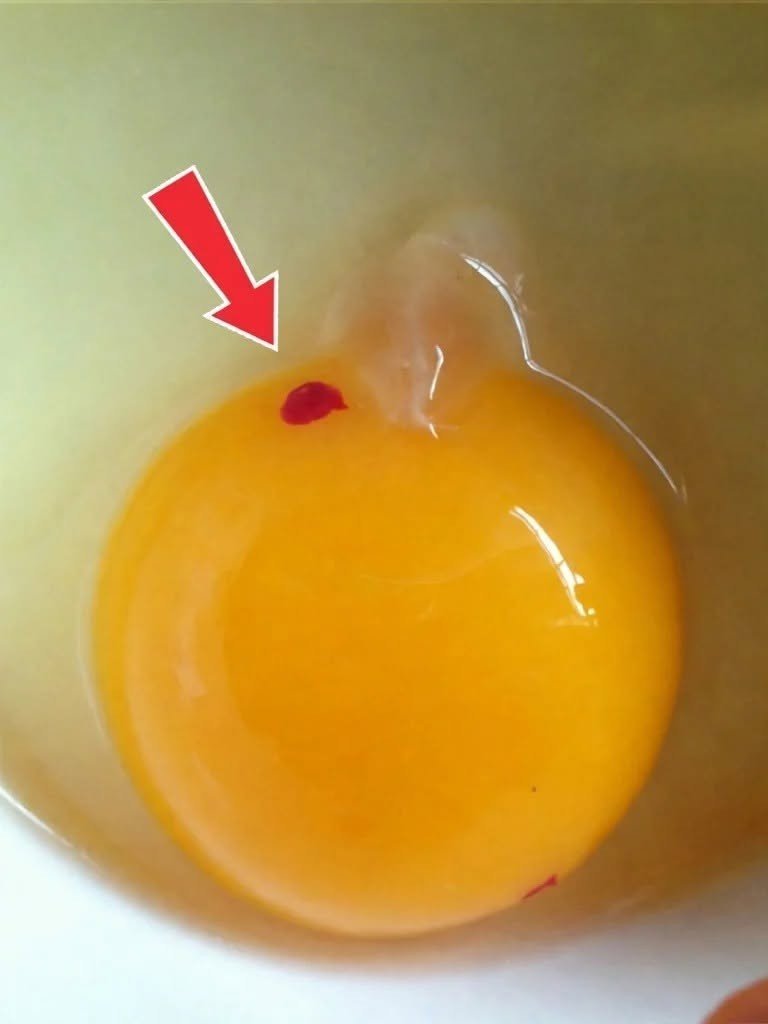
Can You Eat Eggs With White Spots (or Red Spots)? Here’s What You Should Know
Step 3 — Cook the Egg Thoroughly
What to do: Cook the egg properly before serving to ensure food safety.
How to do it: Scramble, fry, poach, or bake the egg until both the white and yolk are firm—or cook egg dishes to an internal temperature of 160°F (71°C)—and wash your hands after handling raw shells.
Short practical explanation: Even completely spotless eggs can carry Salmonella, so thorough cooking makes eggs with minor harmless spots just as safe as any other egg in the carton.
Tips for Better Results
Tip 1: Keep it simple—crack eggs into a small bowl first. Cracking into a separate bowl instead of straight into a hot pan or mixing bowl lets you spot stray shell bits or blood spots easily.
Tip 2: Choose clean, uncracked eggs. Inspect the carton before buying and skip any eggs with hairline cracks or dirty shells.
Tip 3: Avoid serving runny or undercooked eggs to high-risk groups. Always cook yolks and whites completely firm for young children, older adults, pregnant people, and immunocompromised individuals.
Tip 4: Try whisking thoroughly for omelets or baking. Beating eggs briskly breaks up the white chalaza so it blends seamlessly into the mixture.
Tip 5: For a better result in silky custards, strain beaten eggs. Pouring whisked eggs through a fine-mesh sieve catches thick white protein cords for an ultra-smooth texture.
Tip 6: Store eggs on an interior fridge shelf, not the door. Keeping eggs in their original carton on a middle shelf maintains a steadier cold temperature.
FAQ
What is the best way to remove a white or red spot from a raw egg?
Use the edge of a clean teaspoon or butter knife to gently scoop the speck out of the small bowl before cooking.
How often do white chalazae or red blood spots show up in store-bought eggs?
Every egg naturally has white chalazae (they become less visible as eggs age), while small blood or meat spots appear occasionally—especially in brown-shelled eggs, where commercial candling light is harder to see through.
Can I eat an egg with white spots or a blood spot at home?
Yes. As long as the egg smells completely neutral and shows no signs of pink, green, or moldy discoloration, it is safe to eat once properly cooked.
What should I avoid when checking if a spotted egg is still good?
Avoid eating any egg that has a rotten odor, cloudy pink or greenish egg white, visible mold, or a cracked shell before you opened it.
Conclusion
Spotting a thick white strand or tiny red speck in a cracked egg does not mean breakfast is ruined—both are natural, harmless quirks that are completely safe once cooked. Next time you see one, do a quick sniff check, scoop the speck out if you like, and cook as usual instead of wasting good food. For more kitchen smarts, explore our guide on [How to Tell If Eggs Are Still Fresh Without Guessing].