Difference Between Green Onions, Scallions, Spring Onions, and Chives
Difference Between Green Onions, Scallions, Spring Onions, and Chives
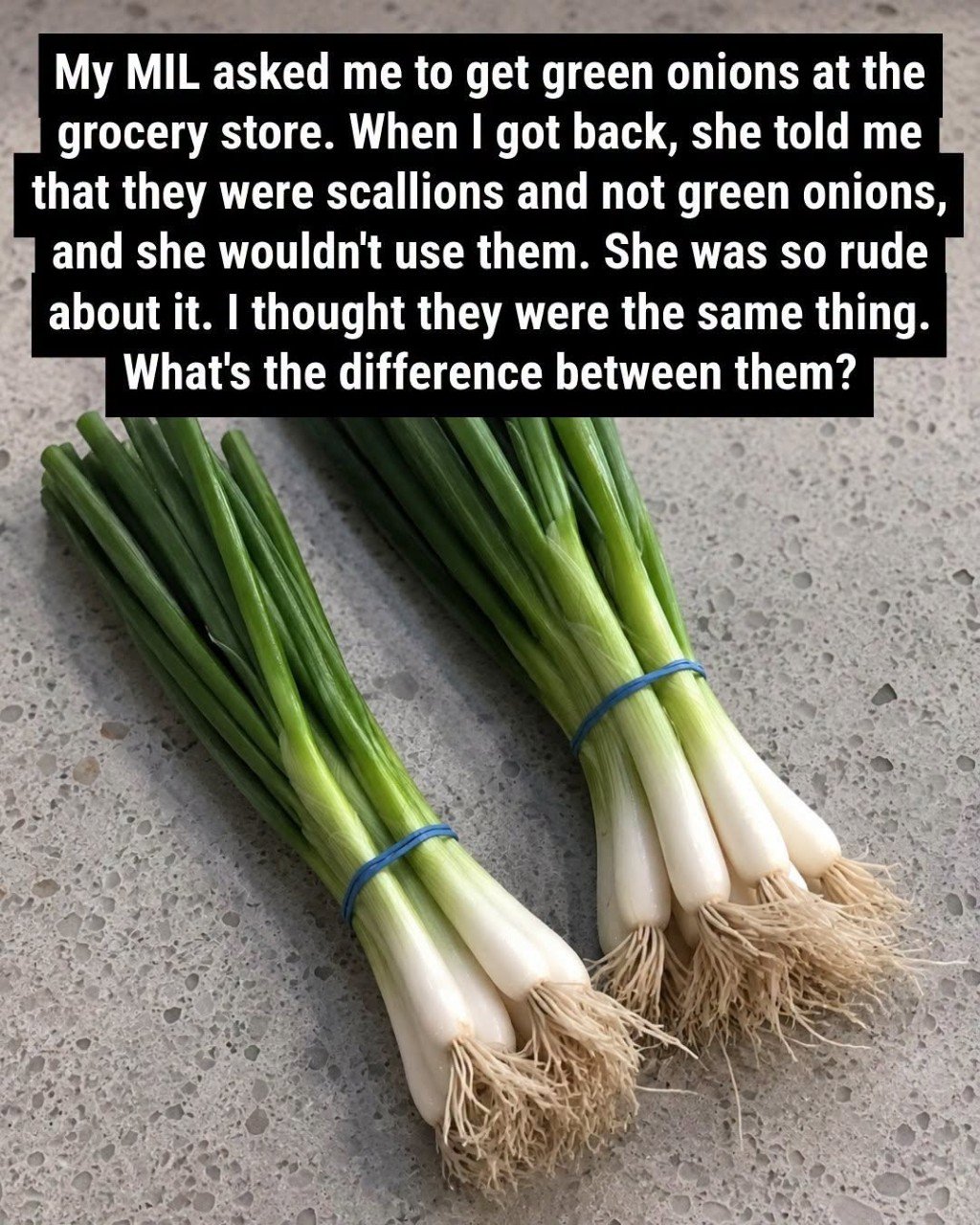
Walking into the produce aisle for green onions only to come home with scallions—or worse, chives—sparks more kitchen arguments than you might expect. While grocery stores often swap these names around, each allium has distinct traits in shape, bulb size, and flavor. In this guide, you will learn how to tell green onions, scallions, spring onions, and chives apart in seconds, and when you can safely substitute one for another.
Step 1 — Check the Base to Tell Scallions, Green Onions, and Spring Onions Apart
What to do: Look closely at the white bottom end near the roots before tossing a bundle into your cart.
How to do it: If the white base is straight and narrow all the way down, it is a scallion (also widely sold as a green onion). If the base swells into a distinct round bulb about the size of a marble or small radish, it is a true spring onion.
Short practical explanation: In North American supermarkets, “scallions” and “green onions” are virtually the same thing and can be used interchangeably in recipes—the only minor distinction some growers make is calling slightly older stalks with a tiny swell at the base “green onions.” True spring onions are more mature, sweeter, and slightly sharper.
Step 2 — Compare Thickness and Texture to Spot Chives
What to do: Inspect the green leaves and overall thickness to distinguish chives from young onions.
How to do it: Look for thin, delicate, grass-like hollow green stalks sold in small herb packs or tiny bunches with no white root end—those are chives. Compare them with the thick, sturdy, crisp stalks of scallions and green onions sold with their white bases and roots attached.
Common mistake to avoid: Never swap chives into a stir-fry or hot soup base expecting the same flavor as scallions. Chives are a delicate herb whose mild onion flavor fades quickly under high heat, whereas green onions hold up well to sautéing and grilling.
Step 3 — Match Each Variety to the Right Cooking Method
What to do: Use the white and green parts intentionally based on which allium you have on hand.
How to do it: Slice and sauté the white bases of scallions or spring onions like regular onions to build flavor, sprinkle the crisp green tops of green onions over bowls and tacos, and snip fresh chives raw over baked potatoes, eggs, or creamy dips right before serving.
Short practical explanation: Pairing the right part of each plant with the right cooking temperature preserves crisp texture and keeps delicate flavors from disappearing.
“Read the Next Page for More Details”
Pages: 1 2