Why Aluminum Foil Has a Shiny Side and a Dull Side—and Which One You Should Actually Use
The Important Exception: Nonstick Aluminum Foil
Although the two sides of ordinary aluminum foil are interchangeable, specialty nonstick foil is different.
Some manufacturers apply a food-safe nonstick coating to one surface.
That coating is intended to reduce sticking when preparing certain foods.
With Reynolds Wrap Non-Stick Aluminum Foil, the dull side is the nonstick side.
It should face the food.
This is particularly useful when cooking sticky or delicate ingredients.
When Nonstick Foil Can Be Helpful
Nonstick foil may be convenient for foods such as:
- Roasted vegetables with sticky seasonings.
- Glazed chicken or other marinated meats.
- Certain baked fish preparations.
- Foods containing cheese or sugary sauces.
However, not every brand uses identical markings or coatings.
Always check the product packaging to identify the correct food-contact surface.
This is the one situation where the appearance of the foil may provide an important clue about how it should be used.
Can Aluminum Foil Affect the Taste of Food?
Aluminum foil is commonly used in food preparation and storage, but certain ingredients can interact with the metal.
Acidic foods, particularly those containing tomatoes, citrus juice, or vinegar, may encourage aluminum to transfer into food during prolonged contact.
Salt can also influence this process.
For this reason, it is sensible to avoid storing highly acidic or salty foods in direct contact with ordinary aluminum foil for extended periods.
A suitable glass container, food-safe storage container, or another appropriate wrapping material may be a better choice.
When cooking acidic dishes, follow reliable recipe instructions and use cookware suited to the ingredients.
The shiny or dull orientation does not eliminate this type of interaction.
Common Aluminum Foil Mistakes to Avoid
Even though foil is versatile, it is not appropriate for every cooking situation.
Using Aluminum Foil in the Microwave
Ordinary aluminum foil should not be placed in a microwave unless the appliance manufacturer specifically permits a particular use.
Metal can produce sparks or arcing under certain conditions.
Always follow your microwave’s instructions.
Covering the Bottom of the Oven
Lining the bottom of an oven with foil may interfere with airflow, damage surfaces, or create overheating problems.
Some oven manufacturers specifically warn against this practice.
Use an appropriate baking tray or follow the appliance’s recommended cleaning methods instead.
Using Foil Too Close to Heating Elements
Foil should not touch exposed heating elements.
Contact may damage the appliance or create a safety hazard.
Assuming All Foil Is Identical
Regular foil, heavy-duty foil, and specialty nonstick products have different intended uses.
Checking the package helps ensure that you select a suitable product for your recipe.
Is Heavy-Duty Foil Better Than Regular Foil?
Heavy-duty aluminum foil is thicker than standard household foil.
Its additional strength can make it useful for wrapping larger portions of food or handling tasks that might tear thinner material.
For example, heavy-duty foil can be convenient when preparing foil packets or wrapping food for certain grilling methods.
However, thicker foil is not necessary for every kitchen task.
Regular foil is often sufficient for covering dishes, wrapping sandwiches, or storing suitable leftovers.
The best choice depends on what you’re preparing.
Both conventional varieties can generally be used with either the shiny or dull side facing the food.
How to Use Aluminum Foil More Efficiently
A few practical habits can make aluminum foil easier to use while reducing unnecessary waste.
Tear off only the amount required for the task.
Avoid using several layers when one suitable layer will provide enough strength.
For oven cooking, choose foil of an appropriate thickness and make sure it is positioned safely.
When storing leftovers, ensure the wrapping is secure and refrigerate food promptly according to food safety recommendations.
If the foil remains clean and undamaged after a suitable nonfood task, it may sometimes be reused.
However, foil that has contacted raw meat, heavily soiled surfaces, or potentially harmful contaminants should not be reused for food preparation.
Why This Kitchen Myth Has Lasted So Long
The shiny-versus-dull debate has continued because the two sides look noticeably different.
It’s natural to assume that a visible difference must have a practical purpose.
People also pass along cooking advice learned from parents, grandparents, friends, and online tutorials.
Once a household habit becomes familiar, it can continue for years without anyone questioning its origin.
But understanding how aluminum foil is manufactured makes the explanation much simpler.
The difference is primarily cosmetic, not a hidden cooking instruction.
Final Thoughts: The Simple Answer Every Cook Should Know
The next time you pull aluminum foil from the roll, there’s no need to wonder whether you’ve positioned it correctly.
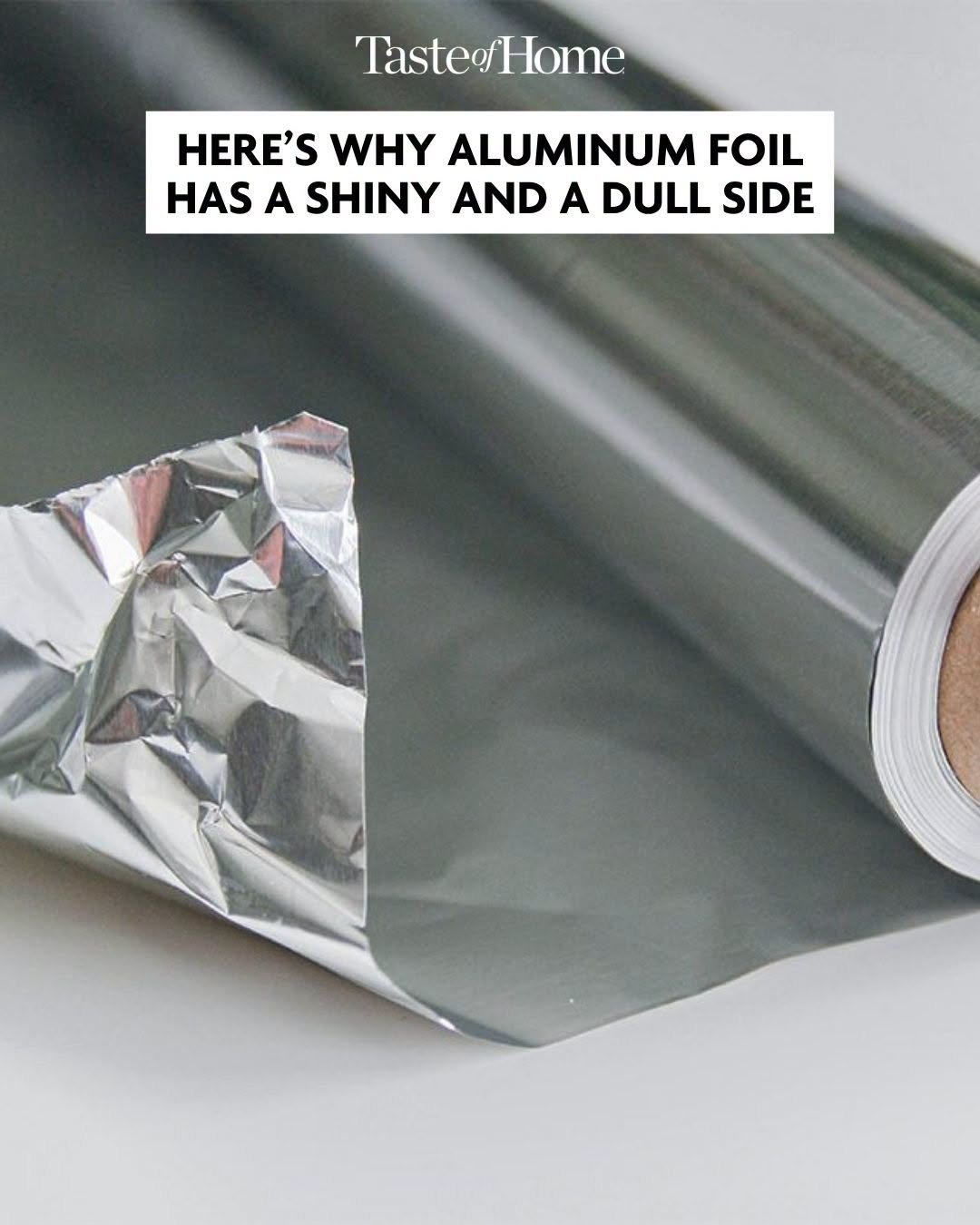
For regular aluminum foil, the shiny side and dull side perform essentially the same in everyday cooking.
The difference comes from the final rolling process, during which one surface touches polished steel rollers while the other faces another sheet of aluminum.
The important exception is specialty nonstick foil, which has a designated food-contact side.
With Reynolds Wrap Non-Stick Foil, that surface is the dull side.
Understanding this small manufacturing detail can eliminate a surprisingly common kitchen misconception.
And sometimes, the most useful kitchen discoveries aren’t complicated cooking techniques.
They’re simple explanations that make everyday tasks a little easier.