If You Drool While Sleeping Often, It Could Be a Sign of These 6 Health Conditions
If You Drool While Sleeping Often, It Could Be a Sign of These 6 Health Conditions
Introduction
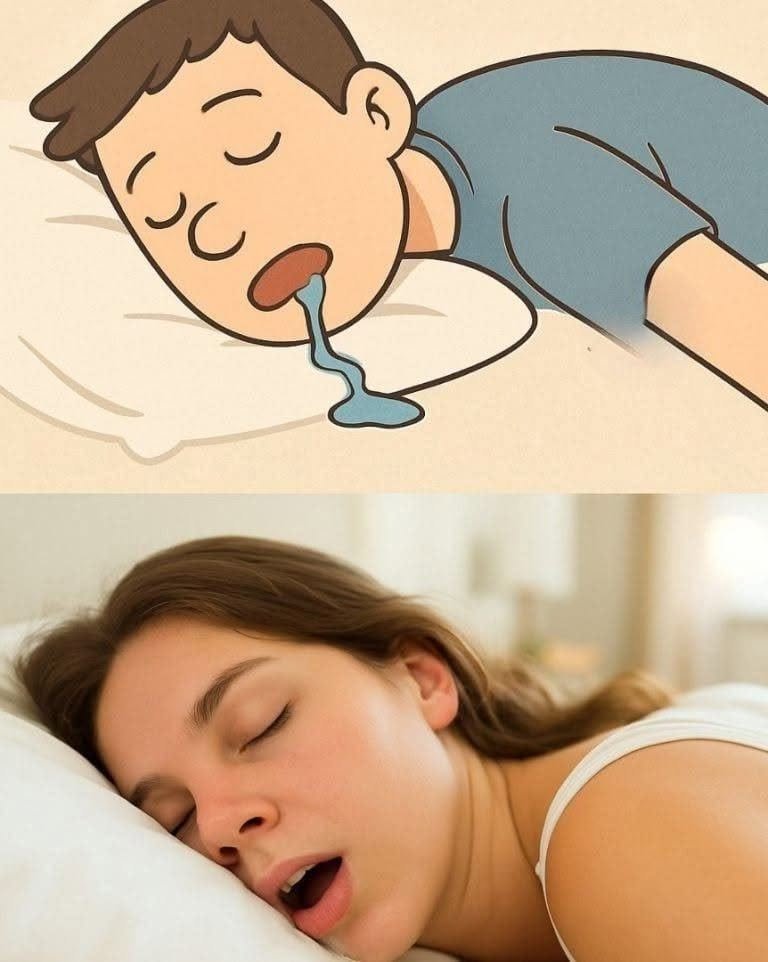
Waking up to a wet pillow every morning is easy to laugh off as a sign of deep sleep, yet chronic nighttime drooling often points to something more. When excess saliva escapes overnight, your body may be signaling one of six common health conditions—including sinus allergies, gastroesophageal reflux disease (GERD), obstructive sleep apnea, dental misalignment, medication side effects, or neurological swallowing issues. In this guide, you will learn how to identify these triggers, adjust your sleep routine, and address the root cause safely.
Step 1 — Check Your Airways for Congestion and Sleep Apnea
Blocked nasal passages and interrupted breathing force your jaw to drop open overnight, letting saliva pool onto your pillow.
What to do: Evaluate whether allergies, chronic sinusitis, or obstructive sleep apnea are preventing you from breathing through your nose at night.
How to do it: Track whether you wake up with a stuffy nose, dry throat, morning headaches, or loud snoring, and try clearing your nasal passages with a saline rinse or nasal strip before bed.
Practical explanation: When nasal airflow is restricted or airways collapse briefly during sleep apnea, your brain instinctively triggers mouth breathing to pull in oxygen, bypassing normal swallowing reflexes.
Step 2 — Screen for Acid Reflux, Dental Issues, and Medications
Internal digestive irritation, bite alignment, and evening prescriptions frequently stimulate extra saliva production while you lie flat.
What to do: Review your evening diet, dental comfort, and medication labels to spot hidden salivary triggers.
How to do it: Note if you experience sour tastes, nighttime coughing, or heartburn (signs of GERD), check for swollen gums or poorly fitting retainers, and read the side-effect sheets on sedatives, antipsychotics, or cholinergic drugs.
Common mistake to avoid: Ignoring silent acid reflux simply because you do not feel classic chest burning; stomach acid reaching the throat triggers an automatic salivary reflex to neutralize irritation even while you sleep.
“Read the Next Page for More Details”
Pages: 1 2