What Is the Normal Blood Pressure for Each Age?
Tips for Keeping Your Blood Pressure Healthy
Tip 1: Reduce salt intake. Eating too much salt can contribute to high blood pressure. Try limiting heavily processed foods.
Tip 2: Stay physically active. Regular walking, cycling, or other moderate exercise can support heart health.
Tip 3: Eat a balanced diet. Include vegetables, fruits, whole grains, and other nutritious foods in your daily meals.
Tip 4: Maintain a healthy weight. Managing your weight can help reduce the risk of high blood pressure.
Tip 5: Limit alcohol and avoid smoking. Both can negatively affect cardiovascular health.
Tip 6: Manage stress. Relaxation, breathing exercises, and adequate sleep may help support healthy blood pressure.
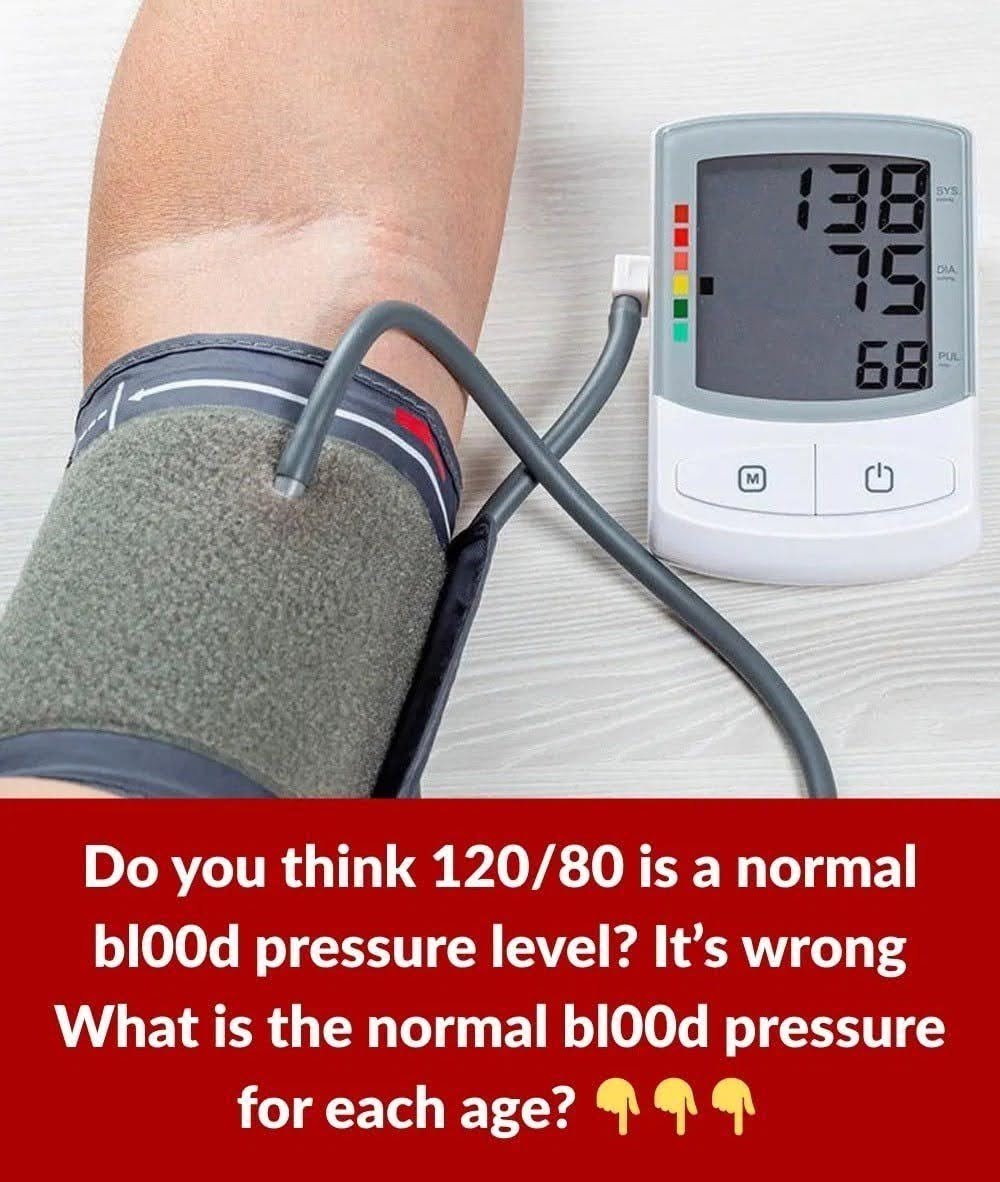
Tip 7: Check your blood pressure correctly. Sit quietly for five minutes before measuring, keep your feet flat on the floor, and support your arm at heart level.
Tip 8: Monitor your readings regularly. Keeping a record can help you and your healthcare professional identify patterns over time.
FAQ
What is the normal blood pressure for a 30-year-old?
For most adults, including people aged 30, a normal reading is below 120/80 mmHg.
Is 140/90 blood pressure normal for a 60-year-old?
No. A reading of 140/90 mmHg is in the high blood pressure range under commonly used adult guidelines. Speak with a healthcare professional about repeated readings.
How often should I check my blood pressure?
It depends on your health and previous readings. People with high blood pressure may need to check it more frequently, following their healthcare professional’s advice.
Can I check my blood pressure at home?
Yes. A validated automatic upper-arm monitor can provide useful readings when used correctly.
What should I do if my blood pressure is above 180/120?
Wait at least one minute and measure again. If it remains that high, contact a healthcare professional immediately. If you also experience chest pain, difficulty breathing, weakness, numbness, vision changes, or difficulty speaking, call emergency services immediately.
Conclusion
Understanding your blood pressure is important at every stage of life. Although readings can vary from person to person, high blood pressure should never be dismissed as a normal consequence of aging. Check your readings regularly, follow healthy habits, and speak with a healthcare professional if you notice consistently high numbers. Taking small steps today can help protect your heart and overall health.