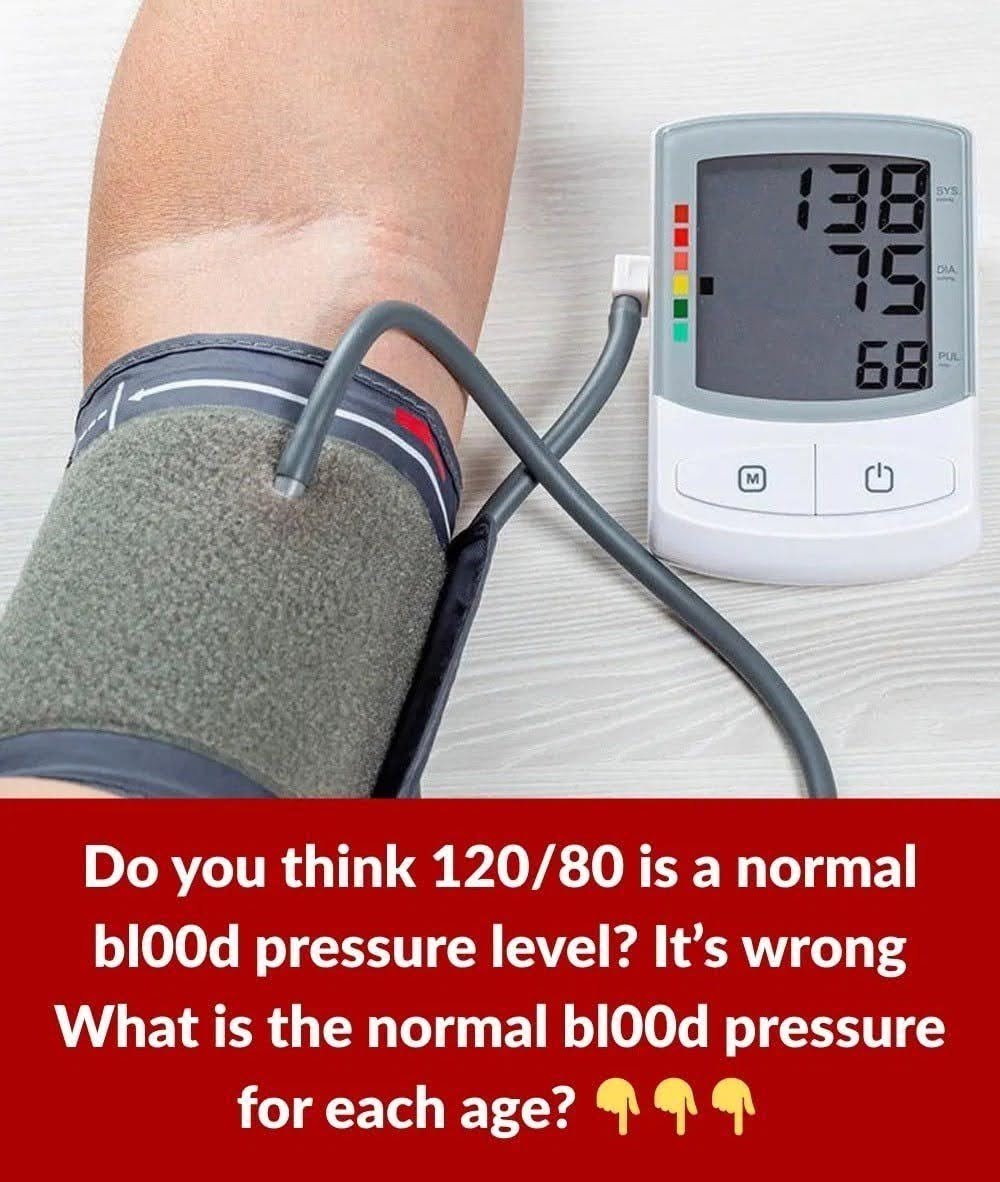
What Is the Normal Blood Pressure for Each Age?
What Is the Normal Blood Pressure for Each Age?
Blood pressure is one of the most important indicators of your overall health. However, many people wonder whether a normal reading changes as they get older. The answer is not as simple as you might think. In this article, you’ll learn what blood pressure readings generally mean, how age affects them, and when you should consider speaking with a healthcare professional.
Step 1 — Understand What a Normal Blood Pressure Reading Means
Blood pressure measures the force of blood pushing against the walls of your arteries. It is written using two numbers:
- Systolic pressure (top number): The pressure when your heart beats.
- Diastolic pressure (bottom number): The pressure when your heart rests between beats.
For most adults, a reading below 120/80 mmHg is considered normal.
Here is a simple guide to common adult blood pressure categories:
- Normal: Below 120/80 mmHg.
- Elevated: Systolic pressure between 120 and 129, with diastolic pressure below 80.
- High blood pressure (Stage 1): Systolic pressure between 130 and 139, or diastolic pressure between 80 and 89.
- High blood pressure (Stage 2): Systolic pressure of 140 or higher, or diastolic pressure of 90 or higher.
- Severely high: Higher than 180 systolic and/or 120 diastolic. This requires immediate attention and appropriate medical advice.
These categories are commonly used for adults. A single reading does not necessarily mean you have high blood pressure.
Step 2 — Does Normal Blood Pressure Change With Age?
Many people believe that higher blood pressure is automatically normal as they get older. However, there is no universal rule that says adults should have a higher normal blood pressure simply because of their age.
For adults, the general normal reference remains below 120/80 mmHg, regardless of whether someone is in their 20s, 40s, 60s, or 80s.
Here are some important points to understand:
- Ages 18–39: Adults should generally aim for blood pressure below 120/80 mmHg.
- Ages 40–59: The same general adult reference applies. Regular monitoring becomes increasingly important.
- Ages 60 and older: Blood pressure should still be monitored carefully. A healthcare professional may recommend an individual target based on overall health, medications, and other medical conditions.
Important: Blood pressure recommendations can differ depending on a person’s health and medical history. Older adults should not assume that high readings are harmless or simply a normal part of aging.
Step 3 — What About Children and Teenagers?
Blood pressure in children is different from blood pressure in adults.
For younger children, normal readings depend on several factors, including:
- Age
- Sex
- Height
In teenagers, healthcare professionals may use age-specific or adult-style thresholds depending on their age and the clinical guidelines being followed.
Parents should avoid comparing a child’s blood pressure directly with an adult’s reading. If a child’s reading seems unusual, a pediatric healthcare professional can determine whether it is within the expected range.