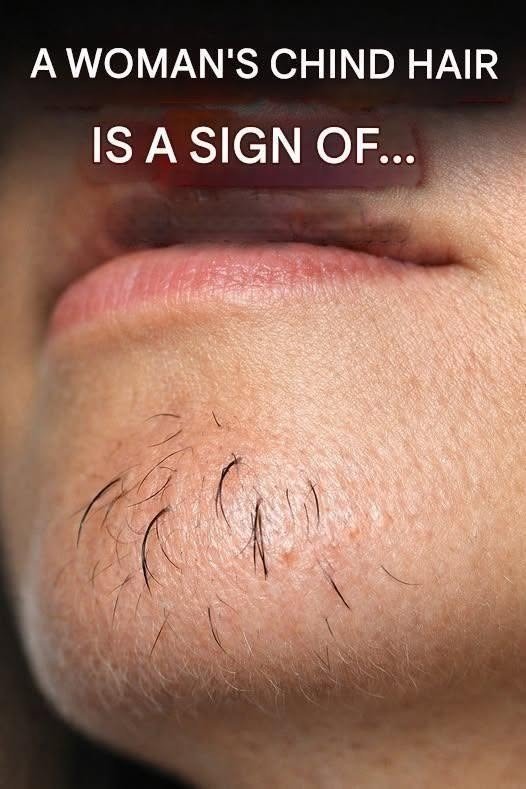
Chin Hair in Women: What It Means and When to See a Doctor
Step 3: Choose a Removal or Treatment Option
What to do: Decide how, or whether, to manage the hair.
How to do it: Removal is entirely optional. Common choices include:
- Tweezing or threading: Good for a few hairs.
- Shaving: Quick and safe. It does not make hair grow back thicker.
- Depilatory creams: Patch test first.
- Laser or electrolysis: Longer-lasting options performed by a trained professional.
- Prescription treatments: A doctor may suggest medication if a hormonal cause is found.
Tips for Better Results
- Tip 1: Use clean tweezers and disinfect the skin to avoid infection.
- Tip 2: Pull in the direction of hair growth to reduce ingrown hairs.
- Tip 3: Avoid picking or squeezing, which can scar or inflame skin.
- Tip 4: Try threading or waxing for slightly longer smoothness.
- Tip 5: Moisturize afterward and use sunscreen on sensitive areas.
- Tip 6: Keep a simple log of your periods and symptoms if you suspect a hormonal issue.
- Tip 7: Don’t bleach or use harsh products on irritated skin.
- Tip 8: Ask a doctor before starting hormone-related supplements or treatments.
FAQ
What is the best way to remove chin hair?
For a few hairs, tweezing or threading works well. For many hairs, consider laser, electrolysis, or medical advice.
How often should I remove it?
It depends on growth. Tweezing or shaving every few days to weeks is typical, and nothing about it is harmful.
Can I do this at home?
Yes, tweezing, shaving, and creams are safe at home when done carefully. Laser and electrolysis should be done by professionals.
Is chin hair a sign of a serious disease?
Usually not. See a doctor if it comes with irregular periods, acne, a deeper voice, or rapid growth.
What should I avoid?
Avoid picking, aggressive scrubbing, and ignoring sudden changes in hair growth.
Conclusion
Chin hair in women is usually a normal result of genetics, age, or menopause, not a sign of serious illness. Pay attention to accompanying symptoms like irregular periods or rapid changes, and see a doctor if they appear. Otherwise, choose the grooming approach that makes you comfortable. For more, read our related guide on “Understanding Hormonal Changes in Women”