Wrinkles Disappear in 5 Minutes? The Truth About the Viral Aspirin Face Mask
Wrinkles Disappear in 5 Minutes? The Truth About the Viral Aspirin Face Mask
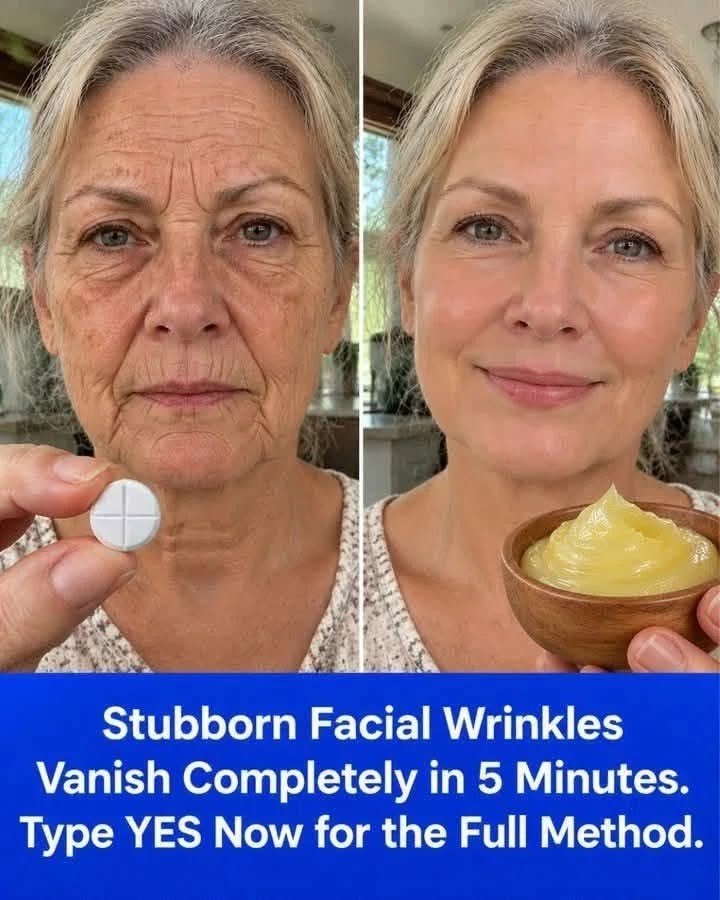
Imagine applying a simple homemade face mask and watching your wrinkles disappear in just five minutes.
That’s the extraordinary promise behind a viral beauty trend featuring crushed aspirin tablets and a homemade facial mixture.
The images often show dramatic transformations, with deep wrinkles supposedly replaced by smooth, youthful-looking skin.
But can aspirin really erase wrinkles in five minutes, or is this another misleading internet beauty trick?
The answer is important, especially for people who want affordable ways to care for aging skin.
What Is the Viral Aspirin Face Mask?
The trend involves crushing aspirin tablets and mixing them with water or other household ingredients to create a paste.
The mixture is then applied to the face as a DIY beauty treatment.
Supporters claim that it can smooth wrinkles, brighten skin, reduce blemishes, and create an instant lifting effect.
However, there’s no reliable clinical evidence supporting these dramatic promises.
Aspirin is a medication, not a skincare product designed for facial use.
1. Why Wrinkles Cannot Disappear in Five Minutes
Wrinkles develop gradually as skin undergoes structural changes.
Over time, the skin produces less collagen and elastin, two important proteins involved in firmness and flexibility.
Other contributing factors include:
- Natural aging
- Repeated facial expressions
- Long-term sun exposure
- Smoking
- Changes in skin hydration
- Genetics
A homemade mask cannot rebuild lost collagen or reverse years of skin aging in just a few minutes.
Some moisturizing treatments temporarily make fine lines less noticeable, but that’s very different from eliminating wrinkles.
2. Is Aspirin the Same as Salicylic Acid?
Aspirin contains acetylsalicylic acid.
Salicylic acid is a related but different compound commonly used in specially formulated skincare products.
Salicylic acid can help exfoliate skin and treat certain types of acne.
However, crushing aspirin tablets doesn’t create a properly formulated salicylic acid treatment.
The concentration, additional tablet ingredients, and effects on the skin aren’t controlled in homemade mixtures.
Aspirin tablets shouldn’t be treated as substitutes for tested skincare products.
3. What Are the Risks of Applying Aspirin to Your Face?
Although aspirin is commonly available, that doesn’t mean it is harmless when applied directly to skin.
Potential reactions include:
- Redness and irritation
- Burning or stinging
- Excessive dryness
- Peeling
- Allergic reactions
- Worsening of existing skin problems
People with aspirin or salicylate allergies should be especially cautious.
Applying crushed medication to sensitive facial skin isn’t an evidence-based anti-aging treatment.
4. Why Do the Before-and-After Photos Look So Convincing?
Viral skincare advertisements often feature dramatic photographs.
But changes in appearance don’t necessarily demonstrate a real treatment effect.
Different lighting, facial expressions, camera angles, makeup, and digital editing can all make skin look smoother.
Even temporary hydration may reduce the visibility of fine lines.
Without reliable clinical testing and standardized photographs, these images cannot establish that a homemade mask works.