6 Common Household Items You Should Never Plug Into an Extension Cord
6 Common Household Items You Should Never Plug Into an Extension Cord
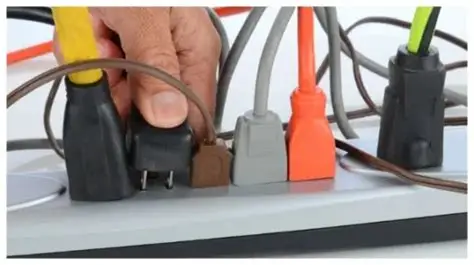
Extension cords are useful when you need extra electrical outlets, but they are not designed to handle every household appliance. Connecting equipment that requires too much power can overload a cord, cause overheating, and increase the risk of an electrical fire. Knowing which devices need a dedicated outlet can help protect your home and prevent dangerous mistakes.
Step 1 — Avoid Plugging Space Heaters Into Extension Cords
Portable space heaters often consume a large amount of electricity.
Using an extension cord with a space heater can cause the cord to overheat, particularly if it is not rated for the heater’s electrical load.
What to do: Follow the heater manufacturer’s instructions. Many manufacturers recommend plugging the heater directly into a suitable wall outlet.
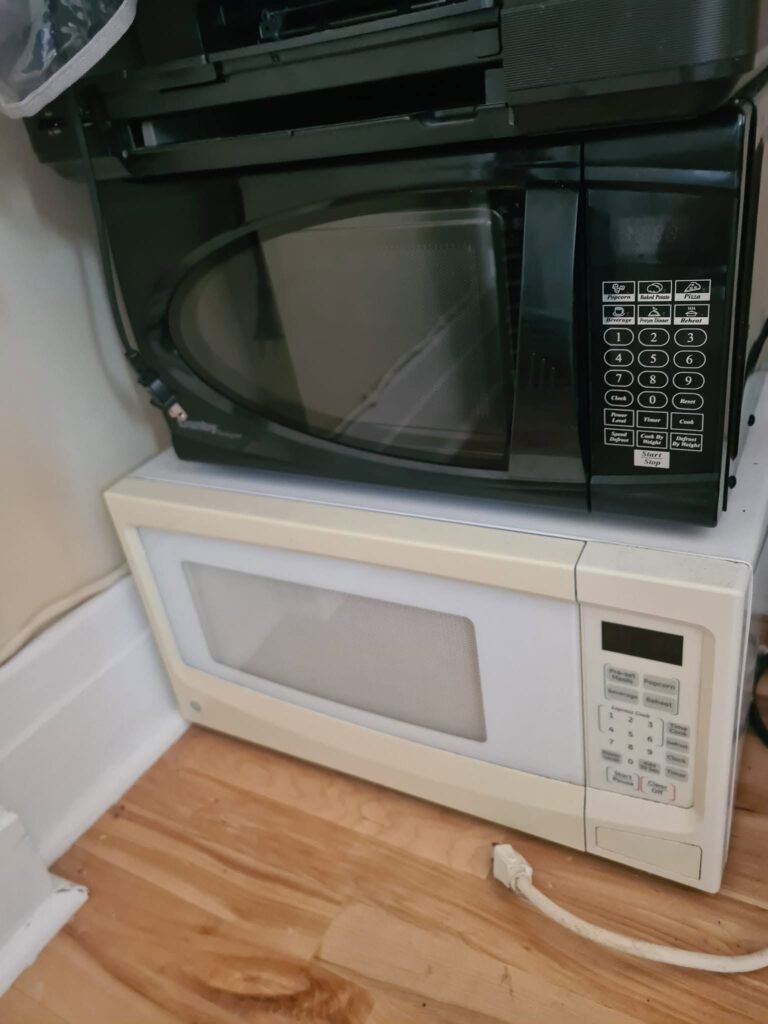
Step 2 — Never Use an Extension Cord for a Microwave Without Checking Its Requirements
Microwaves can draw significant electrical power, especially during operation.
A lightweight or incorrectly rated extension cord may not safely support the appliance.
What to do: Follow the microwave manufacturer’s installation instructions and use a properly rated wall outlet.
Common mistake to avoid: Do not assume every extension cord can handle a microwave simply because the plug fits.
Step 3 — Be Careful With Refrigerators and Freezers
Refrigerators and freezers run for long periods and use compressors that can draw additional current when starting.
An unsuitable extension cord can create electrical problems or affect reliable operation.
What to do: Follow the manufacturer’s instructions. These appliances are generally best connected directly to an appropriately grounded wall outlet.