Driving: New Tests Could Be Imposed on Those Over 65 in 2026 — What Older Drivers Need to Know
Driving: New Tests Could Be Imposed on Those Over 65 in 2026 — What Older Drivers Need to Know
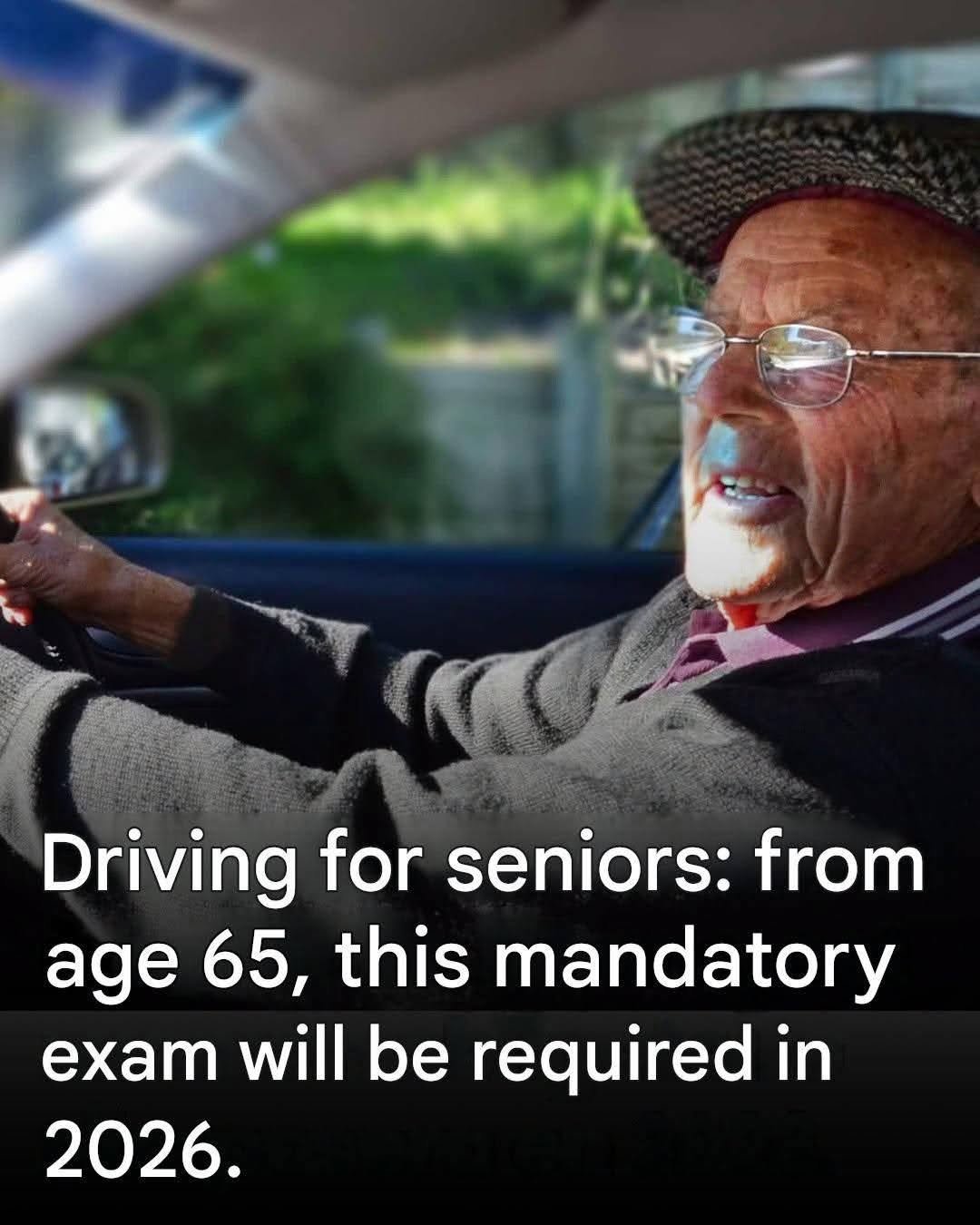
Millions of older adults depend on their cars for shopping, appointments, family visits, and everyday independence. But new driving licence rules being introduced across Europe could bring changes to medical checks and licence renewals for older drivers. Does turning 65 mean you will have to take another driving test? Not necessarily. Here is what the proposed changes really mean and what drivers should know.
Step 1 — Understand the New European Driving Licence Rules
European driving licence rules are being updated to improve road safety and make medical fitness checks more consistent.
Under the updated EU framework, member countries can choose to shorten driving licence validity periods for drivers aged 65 and older. This could mean more frequent licence renewals and medical checks in some countries.
Depending on national decisions, drivers may be asked to undergo checks involving:
- Eyesight and vision.
- General medical fitness.
- Health conditions that could affect safe driving.
- Other assessments required by national authorities.
However, this does not mean every driver over 65 will automatically have to take a new practical driving test in 2026.
The exact requirements depend on the country where the licence was issued.
Step 2 — Find Out What the Changes Could Mean for Older Drivers
The new framework gives individual EU countries some flexibility when deciding how to assess older drivers.
For example, a country could introduce shorter licence renewal periods for older motorists, while another could keep different arrangements.
Here are some possible changes:
More Frequent Renewals: Older drivers may need to renew their licences more often, depending on national rules.
Medical Assessments: Some countries may require medical checks when licences are issued or renewed.
Vision Checks: Eyesight may become an important part of the renewal process because good vision is essential for recognizing road signs, pedestrians, and other vehicles.
Refresher Courses: Some countries may consider additional training to help older drivers maintain safe driving habits.
Common mistake to avoid: Do not assume that all drivers aged 65 or older will lose their licences or have to repeat the full driving examination. The rules are not identical across every country.
Step 3 — Prepare for Possible Driving Licence Changes
If you are an older driver, a few simple steps can help you stay informed and prepared.
1. Check your licence expiry date.
Make sure you know when your current driving licence needs to be renewed.
2. Keep up with medical appointments.
Regular health checks can help identify problems that may affect your ability to drive safely.
3. Have your eyesight checked.
Good vision is essential for driving, particularly at night and in difficult weather conditions.
4. Review official announcements.
Check your national driving licence authority for confirmed changes rather than relying only on social media headlines.
5. Discuss health concerns with your doctor.
If medication, vision problems, or another medical condition affects your driving, ask a healthcare professional for advice.