If Your Tongue Is White, This Could Be a Sign of… Here’s What You Should Know
If Your Tongue Is White, This Could Be a Sign of… Here’s What You Should Know
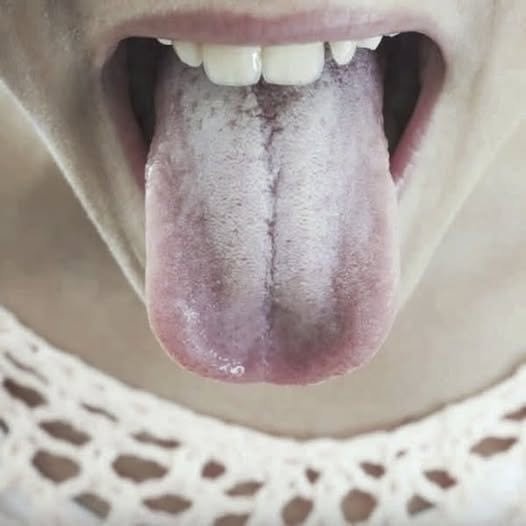
Have you ever looked in the mirror and noticed that your tongue has a white coating instead of its usual pink color? Although this change is often harmless, it can sometimes be related to oral hygiene, dehydration, or an underlying health condition. Understanding why your tongue becomes white can help you recognize possible warning signs and know when it’s time to seek medical advice.
Step 1 — Understand Why Your Tongue May Become White
A white tongue often develops when dead cells, bacteria, and food particles accumulate between the tiny bumps on its surface.
Several factors can contribute to this condition, including:
- Poor oral hygiene.
- Dry mouth or dehydration.
- Smoking or tobacco use.
- Breathing through your mouth.
- Certain medications.
- Oral infections, such as oral thrush.
In many cases, the coating is temporary and improves with better oral care.
Step 2 — Look for Other Symptoms
The appearance of your tongue alone cannot determine whether you have a medical condition. However, additional symptoms may provide useful clues.
What to look for:
- White patches that don’t disappear when gently brushing.
- Burning or soreness inside the mouth.
- Unpleasant taste or bad breath.
- Difficulty eating or swallowing.
- Redness or irritation underneath white patches.
For example, oral thrush is a fungal infection that can cause creamy white patches inside the mouth. These patches may sometimes bleed when scraped.
Common mistake to avoid: Assuming that every white tongue means you have a fungal infection or another serious disease.
Step 3 — Improve Your Oral Hygiene and Know When to Seek Help
Simple daily habits can help reduce the buildup that contributes to a white tongue.
What to do:
- Brush your teeth twice daily.
- Gently clean your tongue using a soft toothbrush or tongue scraper.
- Drink enough water throughout the day.
- Avoid smoking and tobacco products.
- Visit a dentist or healthcare professional if the condition persists or causes discomfort.
If you develop difficulty swallowing, significant pain, or persistent unexplained white patches, seek medical evaluation rather than relying on home remedies.