How to Remove Stubborn Stains From Cloth Car Seats Using Baking Soda
How to Remove Stubborn Stains From Cloth Car Seats Using Baking Soda
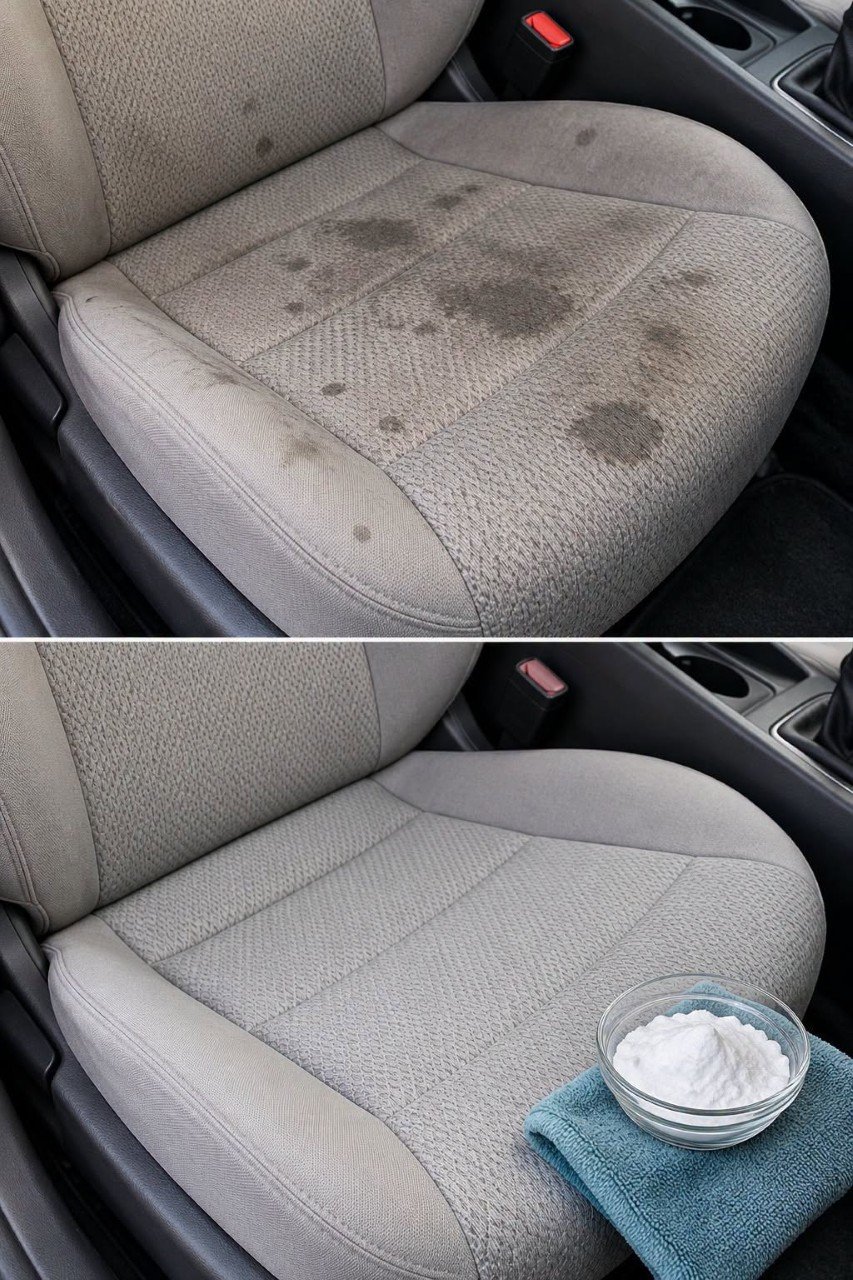
Coffee spills, greasy snack spots, and mystery water rings can make even a clean car interior look worn out—and professional detailing is not cheap. Fortunately, a simple household staple—baking soda—paired with a microfiber towel and gentle agitation can lift stubborn stains from fabric seats without harsh chemicals. In this guide, you will learn how to prep the upholstery, lift deep spots cleanly, and prevent annoying water rings from coming back.
Step 1 — Vacuum Thoroughly and Pre-Treat With Baking Soda
What to do: Remove all loose dirt and crumbs first, then apply baking soda to the stained fabric.
How to do it: Use a vacuum crevice tool to pull dry grit out of the seams and fabric weave. Lightly mist the stained areas with warm water (mixed with a tiny drop of mild dish soap in a spray bottle), then sprinkle an even layer of baking soda over the damp spots—or spread a thin baking soda and water paste—and let it sit for 15 to 20 minutes.
Short practical explanation: Vacuuming first stops dry dust from turning into muddy streaks when dampened, while baking soda naturally absorbs oils, lifts trapped grime, and neutralizes lingering odors.
Step 2 — Gently Agitate and Blot With a Microfiber Towel
What to do: Work the baking soda lightly into the fabric fibers and blot away the lifted stain using a clean microfiber cloth.
How to do it: Use a soft-bristled brush or a slightly damp microfiber towel to scrub in small circular motions across the entire seat cushion panel, not just the stained spot. Follow right away with a dry microfiber towel, pressing firmly to lift loosened moisture and residue.
Common mistake to avoid: Never soak the seat cushion with heavy water or scrub aggressively with stiff bristles. Excess moisture seeps deep into the foam—causing musty smells, pulling old stains back to the surface as it dries, and potentially damaging seat-heating elements or occupancy sensors—while harsh bristles fray the upholstery.
“Read the Next Page for More Details”
Pages: 1 2