The Hidden Meaning Behind One of History’s Oldest Hand Gestures – What This Strange Fist Really Means
The Hidden Meaning Behind One of History’s Oldest Hand Gestures – What This Strange Fist Really Means
Have you ever seen someone make a fist while placing their thumb between their index and middle fingers?
At first glance, it looks like an ordinary hand gesture. But this unusual position has a fascinating history stretching back centuries.
Known as the fig sign, this ancient gesture has represented everything from good luck and protection to mockery and outright insult.
Its meaning can change dramatically depending on the country, culture, and situation.
So what does this mysterious gesture really mean, and why has it survived for so long?
What Is the Fig Sign?
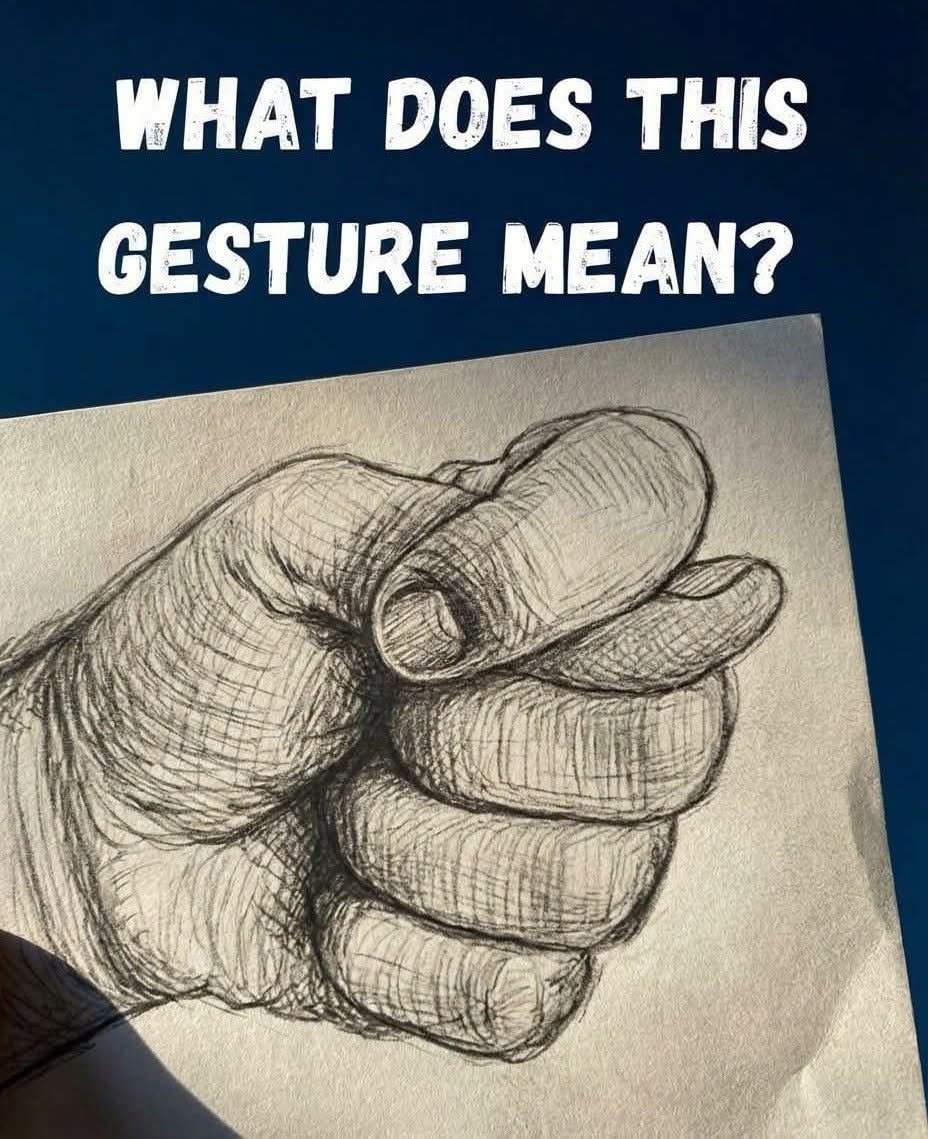
The fig sign is created by closing the hand into a fist and placing the thumb between the index and middle fingers.
It’s known by several names, including:
- Mano fica in Italian traditions
- Figa in Portuguese
- Higa in Spanish
- The fig gesture or fig sign in English
Although the hand position remains similar, its interpretation differs across cultures.
In some places, people associate it with protection against bad luck. In others, it’s a rude expression.
1. Its Ancient Origins May Surprise You
The fig sign has historical connections to ancient Mediterranean cultures, particularly Greece and Rome.
In ancient societies, hand gestures frequently carried meanings that went beyond ordinary communication.
Certain symbols were believed to protect individuals from harmful influences, including the evil eye.
The fig gesture became associated with protective symbolism and appeared in decorative objects and amulets.
Its distinctive shape also carried sexual and fertility-related symbolism.
The exact origins of the gesture aren’t completely documented, but its long history demonstrates how everyday movements can acquire powerful cultural meanings.
2. A Symbol of Protection Against the Evil Eye
One of the best-known traditional meanings of the fig sign is protection.
In various Mediterranean and Latin American folk traditions, people believed that certain symbols could ward off envy, misfortune, or negative influences.
Small charms shaped like a hand making the fig gesture became popular protective objects.
These amulets were sometimes worn as pendants or carried as personal charms.
Although there’s no scientific evidence that such objects prevent misfortune, they remain meaningful expressions of cultural heritage.
3. A Sign of Good Luck in Brazil
In Brazil, the figa is traditionally associated with good luck and protection.
Small hand-shaped charms are commonly seen in jewelry and other decorative items.
People may give them as symbolic gifts representing positive wishes.
This meaning contrasts sharply with the gesture’s interpretation in some other countries.
A sign considered lucky in one culture may be interpreted as disrespectful elsewhere.
4. An Insult in Certain European Cultures
The fig gesture hasn’t always been associated with positive meanings.
In some European traditions, it has served as a vulgar or dismissive gesture.
It may communicate rejection, mockery, or an insulting refusal.
Historically, displaying the gesture could be a way of expressing disrespect without speaking.
However, its meaning and offensiveness vary considerably by region and generation.