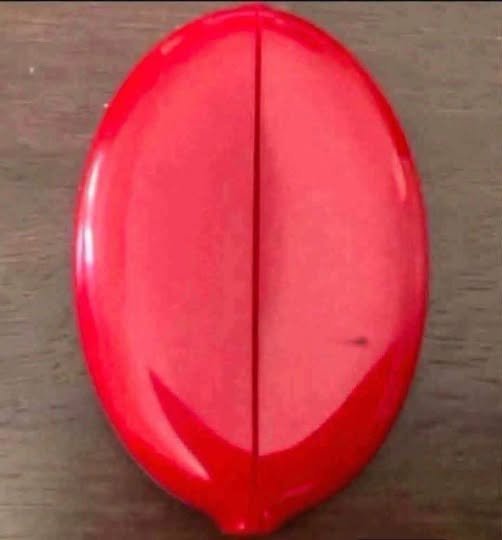
People Keep Guessing, but Almost Everyone Has a Different Answer: Can You Identify This Mysterious Object?
The Science Behind Visual Recognition
Recognizing objects involves several interacting processes in the brain.
Visual information enters through the eyes and is processed across different brain regions.
The brain analyzes characteristics such as contours, colors, orientation, and spatial relationships.
It then combines these features with previous knowledge to identify what we are seeing.
Pattern Recognition
Pattern recognition allows us to identify familiar objects even when they are partially hidden.
For example, you can often recognize a bicycle even if part of it is behind a wall.
The brain uses available clues to complete the picture.
But this ability can sometimes lead to incorrect interpretations.
Visual Expectations
Previous experiences influence what we expect to see.
Someone who enjoys gardening may recognize a particular gardening accessory more quickly than someone who has never used one.
Similarly, a mechanic might immediately notice features that suggest a machine component.
This doesn’t necessarily mean one person has better eyesight.
Different experiences simply create different expectations.
Could This Be an Everyday Household Object?
One reason mystery-object photographs become popular is that the answer may involve something surprisingly ordinary.
Objects that were once common can become unfamiliar as technology and daily habits change.
For example, older household equipment may contain parts that younger generations rarely encounter.
Traditional kitchen tools, vintage appliances, and discontinued accessories can also have unusual designs.
A close-up photograph may make these familiar objects seem mysterious.
However, without sufficient identifying details, assigning a specific name would be speculation.
The most interesting approach is to compare possible explanations and look for evidence.
Why Vintage Objects Are Especially Challenging
Household technology has changed considerably over the past century.
Many everyday tasks that once required specialized mechanical tools can now be completed with modern appliances.
As a result, some older objects are no longer widely recognized.
Kitchen Equipment
Vintage kitchens often contained specialized utensils for preparing, preserving, or serving food.
Some have shapes that appear unusual today.
Laundry and Cleaning Tools
Before modern household appliances became widespread, people used a variety of manual devices to complete chores.
These items can be difficult to identify without seeing them in use.
Workshop Accessories
Older mechanical tools and attachments may look unfamiliar to people who do not work with machinery.
Their purpose can become clearer when viewed alongside the equipment they were designed to support.
These examples explain why recognizing an unfamiliar object can depend heavily on personal experience.
They do not establish the identity of the red object in this particular challenge.
How to Improve Your Chances of Identifying Mystery Objects
If you enjoy these visual challenges, a systematic approach may help.
Start With What You Can Actually See
Describe the object’s visible characteristics without immediately assigning it a name.
Focus on shape, materials, proportions, and distinctive details.
Separate Facts From Assumptions
A red surface is an observable feature.
Assuming the object belongs in a kitchen is an interpretation.
Keeping these separate makes it easier to reconsider your first guess.
Consider Several Possibilities
Instead of deciding immediately, think of two or three objects with similar characteristics.
Then examine which explanation best matches the visible details.
Look for Missing Information
Would another camera angle help?
Could a photograph showing the object beside a ruler clarify its size?
Is there a label or marking that might identify its manufacturer?
Sometimes the best answer is recognizing that more information is needed.
Why These Challenges Become So Popular Online
Mystery-object images are naturally suited to social media.
They invite people to participate without needing specialized knowledge.
Someone can examine a photograph, make a guess, and compare their answer with others.
The discussions often become entertaining because different generations recognize different things.
An older viewer may remember an object from childhood, while a younger person may have never encountered it.
These conversations can reveal interesting details about changing technology, household traditions, and everyday life.
Does Getting the Answer Right Mean You’re More Intelligent?
Not necessarily.
Identifying a particular object depends on familiarity, visual information, attention, and experience.
Someone may recognize a vintage tool immediately because they used one for years.
Another person may struggle because they have never seen it before.
Neither result provides a reliable measurement of intelligence.
A single mystery photograph cannot determine a person’s IQ or overall cognitive ability.
The value of the activity lies in observation, curiosity, and discussion.
A Fun Challenge to Share With Friends
Want to make this puzzle more interesting?
Show the picture to someone without revealing your own interpretation.
Ask them to describe the object before naming it.
Then compare your observations.
You might discover that you noticed completely different features.
You can also ask several family members from different age groups to participate.
Their answers may reveal how everyday experiences influence recognition.
Most importantly, encourage everyone to explain the reasoning behind their guess.
Sometimes, that explanation is more interesting than the answer itself.
What Is the Correct Answer?
The photograph’s exact identification cannot be established from the title alone.
Although the object is presented as a visual mystery, a reliable answer would require a clear view of the image, additional identifying details, or confirmation from a trustworthy source.
Rather than inventing a solution, it’s better to treat the picture as an observation challenge until its identity can be verified.
If you recognize the object from personal experience, consider explaining where you’ve seen it and what it was used for.
That context can help others determine whether the identification is accurate.
Final Thoughts: Can You Solve the Mystery?
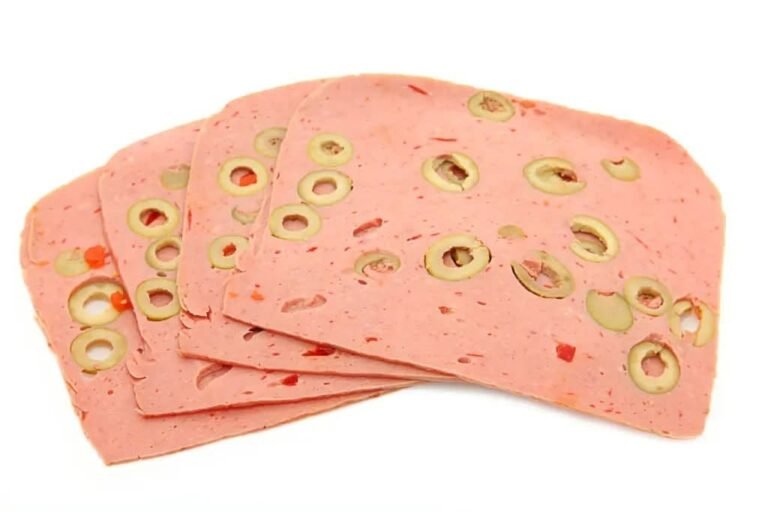
The mysterious red object is a reminder that appearances can be surprisingly deceptive.
An unfamiliar shape, a close-up camera angle, or the absence of surrounding context can make even an ordinary item difficult to recognize.
The challenge encourages us to slow down, examine details, and question our first impressions.
It also demonstrates how personal experiences influence what we see.
Before deciding on your final answer, look at the photograph one more time. Focus on the shape, surface, and smallest visible details.
Do you recognize it immediately, or does it remind you of several different objects?
Perhaps you’ve seen something similar in your home, at work, or among your grandparents’ belongings.
What do you think this mysterious red object is? Share your guess and explain what helped you reach that conclusion.