Have You Ever Tried This Cracked Heel Remedy? What Really Works for Dry, Rough Feet
5. The Importance of Wearing Proper Shoes
Your choice of footwear can influence heel dryness and cracking.
Open-back sandals may allow the heel’s fatty tissue to spread sideways under pressure.
This can increase stress on dry, thickened skin.
Supportive, properly fitted shoes that protect the heels may help reduce repeated pressure.
Avoid footwear that rubs excessively or causes discomfort.
For some people, cushioned heel cups or supportive insoles may also improve comfort.
6. Can You Fix Cracked Heels Overnight?
Moisturizing can make dry skin feel softer after a single application.
However, repairing thickened, cracked heel skin usually takes longer.
The healing process depends on the depth of the cracks, underlying causes, and consistency of care.
Mild dryness may improve within days, while deeper fissures can require several weeks or professional treatment.
Be cautious of remedies promising to eliminate severe cracks in only a few minutes.
7. A Simple Daily Routine for Softer Heels
A consistent routine is often more helpful than switching between different homemade treatments.
Morning
Wash your feet gently and dry them thoroughly, especially between the toes.
Apply a suitable moisturizer to the heels.
Wear comfortable, supportive footwear.
Evening
Clean and dry your feet.
Apply a moisturizing heel cream or petroleum jelly.
Put on clean cotton socks if comfortable.
Once or Twice Weekly
If your skin is intact and you have no conditions that make foot care risky, gently exfoliate thickened areas.
Avoid overdoing it.
When Should You See a Doctor?
Mild cracked heels can often be managed at home.
However, seek medical advice if you notice:
- Deep or painful cracks
- Bleeding
- Redness, warmth, or swelling
- Pus or other signs of infection
- Difficulty walking
- Cracks that don’t improve with regular care
People with diabetes, poor circulation, or reduced foot sensation should seek professional guidance promptly when cracks or wounds develop.
These conditions can increase the risk of complications.
Frequently Asked Questions
Does Petroleum Jelly Help Cracked Heels?
Yes. It reduces moisture loss and can help soften dry heel skin when applied consistently.
Can Baking Soda Repair Cracked Feet?
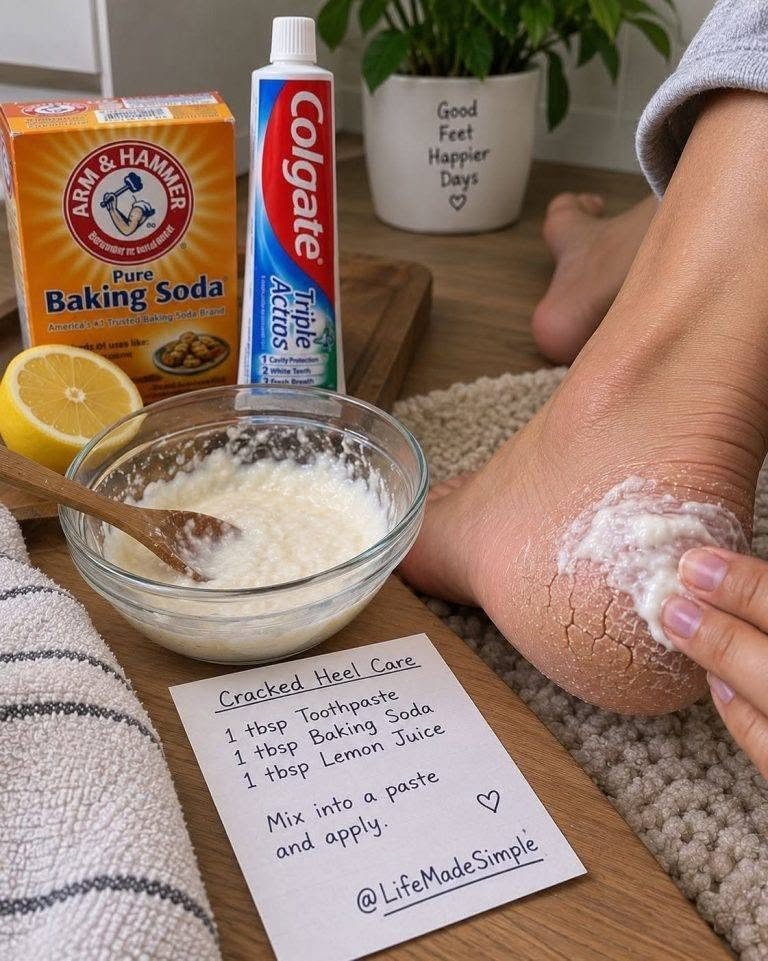
There’s insufficient evidence that baking soda is an effective treatment for cracked heels. It may irritate sensitive or damaged skin.
Is Lemon Juice Good for Cracked Heels?
Lemon juice can irritate broken skin and isn’t recommended as a treatment for heel fissures.
How Often Should I Moisturize My Heels?
Applying moisturizer at least once or twice daily is helpful for many people with dry heels.
Why Do My Heels Keep Cracking?
Recurring cracks may be related to dry skin, pressure, footwear, calluses, or an underlying medical condition.
Can Cracked Heels Become Infected?
Yes. Deep fissures can create openings through which microorganisms may enter, particularly when the skin is damaged.
Final Thoughts
Cracked heels may seem like a minor cosmetic concern, but they can become uncomfortable when dryness leads to deep skin fissures.
Fortunately, many mild cases improve with consistent moisturizing, gentle care, and suitable footwear.
Petroleum jelly and appropriately formulated heel creams can help protect the skin and reduce dryness.
However, harsh DIY treatments may cause more irritation than improvement.
The secret to softer heels isn’t a miracle overnight remedy—it’s gentle treatment, daily moisture, and addressing the causes of recurring cracks.
With the right care, your feet can gradually become smoother, healthier, and more comfortable.