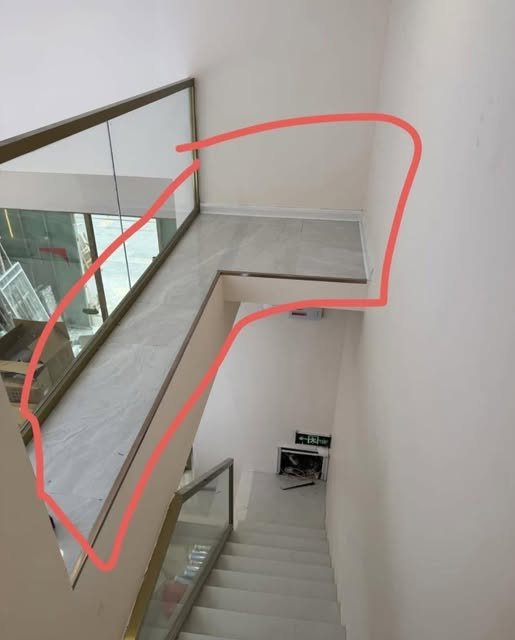
Do You Have Any Ideas on How to Best Use This Space? Creative Ways to Transform an Empty Area
6. Transform the Area Beneath the Stairs
The space beneath a staircase is often overlooked because of its unusual shape.
However, it can offer valuable storage or decorative opportunities.
Depending on its dimensions, you could install custom drawers, open shelves, or a compact cabinet.
Under-Stair Storage Ideas
Pull-out drawers work well for shoes and seasonal belongings.
Open shelving can display books and decorative objects.
A built-in cabinet may help conceal cleaning supplies and other household items.
Some homeowners even create small reading nooks beneath their stairs.
However, structural modifications should be evaluated carefully.
Avoid cutting into supporting elements, and keep access to electrical or utility equipment unobstructed.
7. Design a Mini Coffee Station
If the empty area is near the kitchen or dining room, a coffee station might be a charming option.
A narrow cabinet or sturdy console table can hold a coffee maker, mugs, and supplies.
Wall-mounted shelves can provide additional storage.
What to Include
Keep frequently used items within easy reach.
Use containers for coffee, tea bags, and sugar.
Add a small tray to organize spoons and accessories.
Make sure electrical appliances are placed on suitable surfaces with safe access to power outlets.
A compact coffee station can also free valuable counter space in the kitchen.
8. Create a Decorative Gallery Wall
Not every unused space needs a practical function.
Sometimes, an empty wall simply needs a little personality.
A gallery wall can transform a plain area into an attractive feature.
Choose framed photographs, artwork, or prints that reflect your interests.
How to Arrange a Gallery Wall
Start by selecting a consistent visual theme.
You might use matching frames for a clean appearance or combine different styles for a more relaxed look.
Arrange the frames on the floor before attaching them to the wall.
This allows you to experiment with spacing.
A gallery wall can make a narrow hallway or awkward corner feel intentional rather than forgotten.
9. Add a Mirror to Make the Area Feel Larger
Mirrors can create the impression of additional space by reflecting light and surrounding elements.
A well-positioned mirror may make a small room feel brighter and more open.
For a narrow corner, consider a tall mirror with a simple frame.
In a hallway, a round or rectangular wall mirror can become an attractive decorative feature.
Choosing the Best Position
Place mirrors where they reflect pleasant views or useful light.
Avoid creating distracting reflections.
Large mirrors should be securely mounted, especially in homes with children or pets.
You can combine a mirror with a narrow console table for a simple decorative arrangement.
10. Create a Small Hobby or Craft Area
An unused corner can become a dedicated place for hobbies.
Depending on your interests, you might create a space for sewing, drawing, painting, knitting, or other creative activities.
Use a compact desk and stackable storage containers.
A pegboard can keep frequently used tools organized and accessible.
Good lighting makes detailed tasks easier.
For activities involving sharp tools, paint, or adhesives, include appropriate storage, ventilation, and safety precautions.
A dedicated hobby corner helps keep supplies in one place and may encourage you to spend more time doing something you enjoy.
How to Choose the Best Idea for Your Space
Before purchasing furniture or decorating, consider how the area will be used.
Measure Carefully
Record the width, depth, and height of the available space.
Check how doors, drawers, and nearby furniture move.
A design may look attractive in photographs but be impractical if it interferes with everyday activities.
Think About Your Biggest Need
Ask yourself whether your home needs additional storage, seating, workspace, or decoration.
Prioritize solutions that address a real problem.
Consider Lighting
Natural and artificial lighting influence which activities are suitable.
A dim corner may work well for storage but require extra lighting for reading or working.
Set a Realistic Budget
Many small-space improvements can be completed without expensive custom furniture.
Secondhand pieces, simple shelves, baskets, and affordable accessories may be sufficient.
Common Mistakes to Avoid
One of the biggest mistakes is trying to fit too much into a small area.
Oversized furniture can make the space feel crowded.
Another common problem is ignoring access.
Make sure people can move comfortably through the room and open nearby doors.
Poor lighting can also make a small area less useful.
Finally, avoid choosing decorations purely because they’re trendy.
The best design is one that suits your home and daily routine.
Final Thoughts: Every Small Space Has Potential
An empty corner or awkward area doesn’t have to remain unused.
With thoughtful planning, it can become a reading nook, storage zone, home office, plant display, coffee station, or decorative feature.
The possibilities depend on the dimensions, location, and needs of your household.
Sometimes, a single shelf or small bench is enough to make a noticeable improvement.
Other spaces benefit from more creative solutions, such as custom storage or multipurpose furniture.
The secret is to work with the space you have rather than trying to force it into a design that doesn’t fit.
Take another look at that empty area and imagine what it could become.
Would you turn it into something practical, decorate it beautifully, or combine both approaches?
If this were your home, how would you use the space?