Dental Plaque and Tartar: What You Can Do at Home and What Needs a Dentist
Step 3: Get Professional Care for Tartar
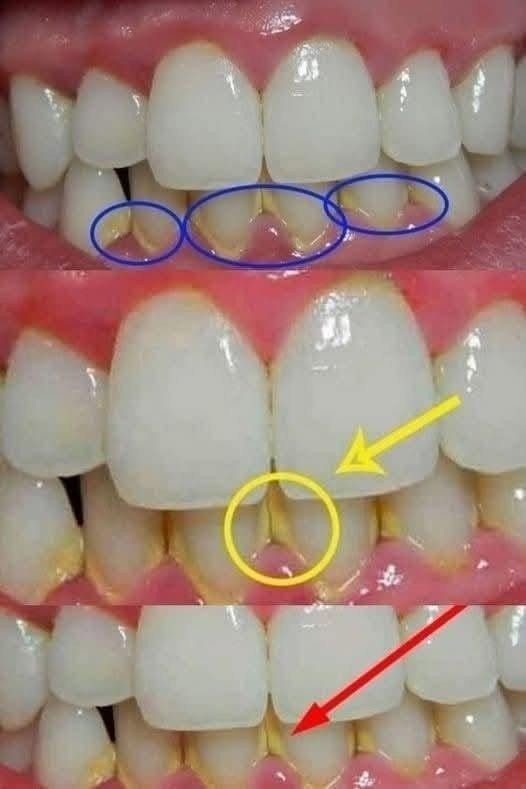
What to do: Book a dental cleaning if you have hardened deposits or gum symptoms.
How to do it: A hygienist removes tartar with specialized tools in a routine scaling, usually one visit. See a dentist sooner if you have bleeding, swollen or receding gums, persistent bad breath, loose teeth, or pain. Early gum disease is reversible with treatment, but untreated it can progress to periodontitis and tooth loss.
Tips for Better Results
- Tip 1: Use an electric toothbrush with a timer, which many people find removes more plaque.
- Tip 2: Avoid abrasive DIY scrubs such as baking soda, charcoal, lemon juice, or apple cider vinegar in large or frequent amounts, since they can damage enamel and gums.
- Tip 3: Try a water flosser if string floss is hard for you.
- Tip 4: Limit sugary snacks and drinks, which feed plaque bacteria.
- Tip 5: Drink water after meals to rinse the mouth.
- Tip 6: Replace your toothbrush every three months.
- Tip 7: Avoid scraping tartar with pins, knives, or dental picks at home, as you can injure gums and scratch enamel.
- Tip 8: Quit smoking, which strongly increases plaque, tartar, and gum disease.
FAQ
What is the best way to remove plaque?
Brushing twice daily with fluoride toothpaste and flossing once daily.
How often should I see a dentist?
Usually every six months, or more often if you build up tartar quickly or have gum disease.
Can I remove tartar at home?
No. Once plaque hardens into tartar, only a dental professional can remove it safely.
Does oil pulling or baking soda work?
Evidence is limited. They may modestly freshen breath but do not replace brushing, flossing, or cleanings.
What should I avoid?
Avoid “5-minute” tartar removal claims, abrasive scrubs, and ignoring bleeding gums.
Conclusion
You can control plaque at home with consistent brushing and flossing, but hardened tartar needs a dentist, and no natural trick removes it in five minutes. Build a gentle daily routine and schedule a cleaning, especially if your gums look red or bleed. For more, read our related guide on “Daily Oral Care Habits for Healthy Gums”