Bleach Stains on Your Clothes? How to Fix Them (and What Really Works)
Step 3 — Restore the Color Using Dye or Fabric Markers
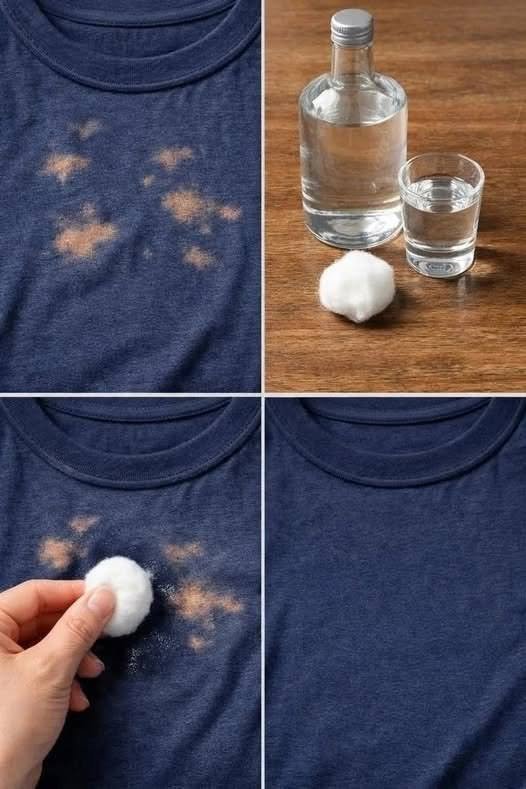
To actually make a bleach stain disappear, you must put pigment back into the stripped fibers.
What to do: Use a color-matched fabric marker for tiny splatters, or submerge the entire garment in a liquid fabric dye bath for larger stains.
How to do it: For small dots, dab matching permanent fabric ink onto the orange spots in thin layers and heat-set with an iron; for large stains, wash the garment in a bucket or washing machine with an all-purpose dye (such as Rit) matched to the original shade.
Tips for Better Results
Tip 1: Keep it simple by testing any fabric marker or dye shade on an inside seam or hem first to verify the color match.
Tip 2: Choose a dye one shade darker than your garment—especially for blacks and navies—since bleached spots often absorb slightly less pigment than surrounding fabric.
Tip 3: Avoid pouring undiluted bleach directly into a washing machine drum; always dilute it in the dispenser tray with water first.
Tip 4: Try turning a heavily splattered dark T-shirt or sweatshirt into a custom reverse tie-dye piece using rubber bands and diluted bleach if re-dyeing feels too complicated.
Tip 5: For a better result, add a cup of salt (for cotton) or white vinegar (for nylon and wool) to your dye bath to help the new color lock into the fibers.
Tip 6: Wash newly re-dyed clothes separately in cold water for the first two or three cycles to prevent color transfer onto other laundry.
FAQ
What is the best way to fix a bleach stain on dark clothes? For tiny spots, a color-matched permanent fabric marker works fastest; for medium or large stains, re-dyeing the entire garment in a liquid fabric dye bath gives the most even, permanent finish.
How often should I treat a bleach stain? You only need to neutralize and re-dye the garment once, though fabric marker touch-ups may need reapplying after several washes.
Can I do this at home? Yes, neutralizing bleach, applying fabric markers, and running a stovetop or washing-machine dye bath can all be done easily at home.
What should I avoid? Avoid rubbing alcohol, baking soda pastes, or vinegar expecting them to restore lost color, and never mix bleach with ammonia or vinegar directly on wet fabric without rinsing first, as toxic fumes can form.
Conclusion
Fixing a bleach stain becomes simple once you know that missing dye must be replaced rather than scrubbed away. By neutralizing fresh splashes fast and using a targeted fabric marker or full dye bath, you can rescue expensive shirts and jeans from the rag pile. Grab a matching dye or marker this weekend and give your favorite ruined piece a second life. For more laundry rescue tricks, check out our related guide on How to Remove Set-In Grease and Oil Stains From Any Fabric.