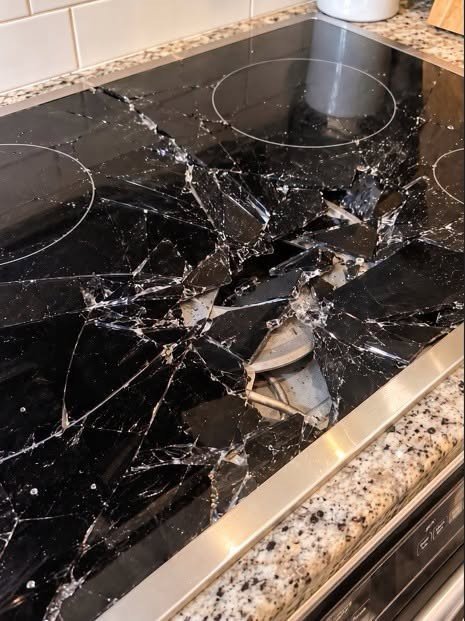
Your Glass Top Stove Can Shatter If You Make This Mistake
Step 3 — Clean Sugary Spills Properly Before They Bake In
Melted sugar, syrup, and tomato sauces bond chemically to hot glass-ceramic and pull chunks out of the surface as they cool.
What to do: Remove sugary boil-overs immediately using a specialized razor scraper while the surface is still slightly warm—never cold and never roaring hot.
How to do it: Hold a flat, single-edge cooktop razor blade at a 30-to-45-degree angle and gently push the sticky residue toward the edge of the stove before wiping clean once cool.
Short practical explanation: Letting caramel or jam harden and contract on the glass creates localized tension points that can fracture the surrounding area the next time you turn on the burner.
Tips for Better Results
Tip 1: Keep it simple by matching your pan diameter to the exact burner ring size so heat distributes evenly across the glass.
Tip 2: Choose flat-bottomed stainless steel or smooth-base enameled cookware rather than pans with ridged, recessed, or warped bottoms.
Tip 3: Avoid using the glass cooktop as extra counter space for cutting boards, grocery bags, or heavy small appliances.
Tip 4: Try placing a heat-resistant silicone stove cover over the cooktop once it is completely cool to guard against accidental impacts.
Tip 5: For a better result when cleaning, use a non-abrasive cream cooktop polish and a soft microfiber cloth instead of green scouring pads or steel wool.
Tip 6: Inspect your stove surface regularly under bright kitchen lighting for tiny hairline chips, and stop using the burner immediately if you spot a crack.
FAQ
What is the best way to prevent a glass top stove from shattering? Never expose a hot burner to cold water, cold pans, or wet rags, and always lift heavy cookware rather than sliding it across the surface.
How often should I deep-clean my glass cooktop? Wipe down light splatters after the stove cools each day, and apply a dedicated glass-ceramic polish once a week to keep the surface smooth and protected.
Can I safely use cast-iron skillets on a glass stove at home? Yes, as long as the cast iron has a smooth, flat bottom and you lift it carefully onto and off the burner without dragging or dropping it.
What should I avoid using on a glass-ceramic stove? Avoid pressure canners that exceed the manufacturer’s weight limit, foil-lined pans that can melt onto the glass, and abrasive powders or harsh ammonia cleaners.
Conclusion
Replacing a shattered glass cooktop often costs nearly as much as buying a brand-new range, making prevention the smartest habit in your kitchen. By avoiding thermal shock, lifting heavy pans, and keeping the surface free of baked-on sugar, you can keep your stove spotless and intact for years. Next time you finish cooking, give your burner plenty of time to cool before reaching for a damp sponge. For more kitchen care essentials, check out our guide on How to Clean Burnt Grease Off a Glass Cooktop Without Scratching It.