Why Cassava Is Called the “World’s Deadliest Food”—And How to Prepare It Safely
Step 3 — Split, Remove the Woody Core, and Finish Your Dish
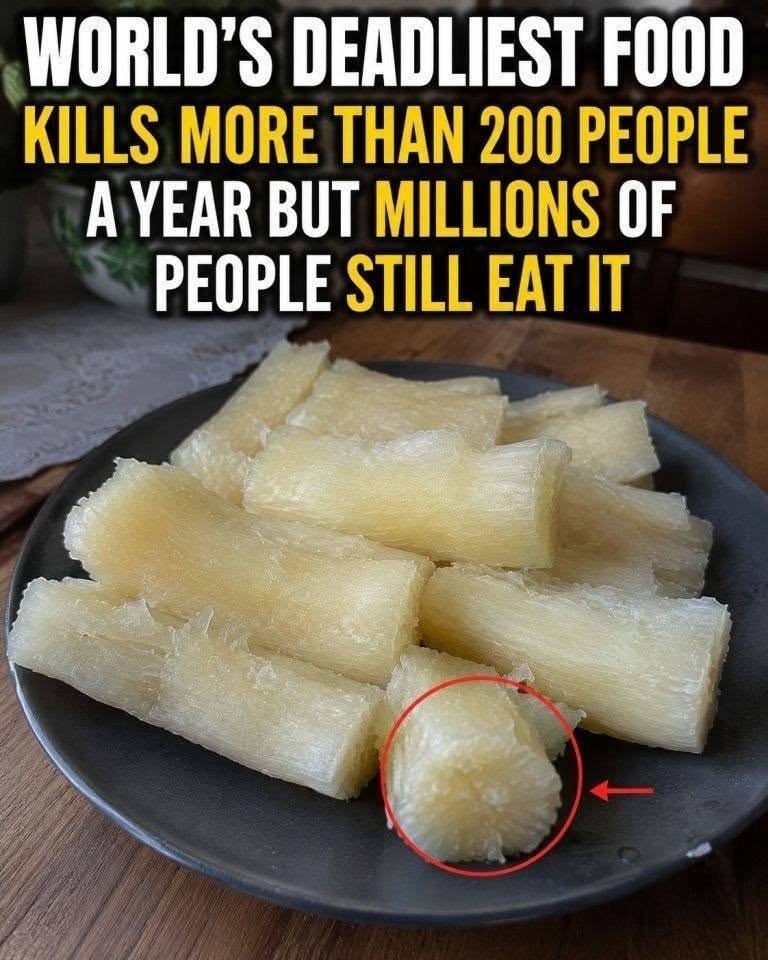
What to do: Remove the thin, stringy central fiber running down the middle of each piece before serving or pan-frying.
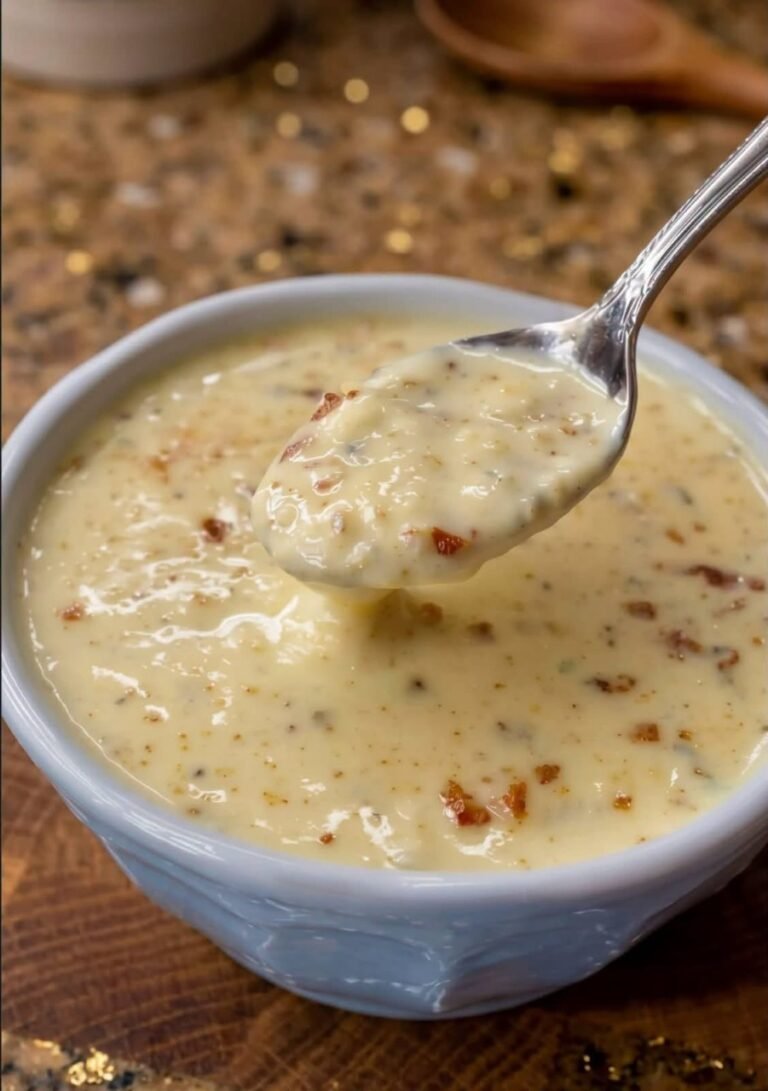
How to do it: Once the boiled pieces are cool enough to handle, split them lengthwise with a fork and pull out the tough central stem. Serve warm with garlic-infused olive oil, mojo sauce, or butter—or pat the drained chunks dry and fry them into crispy yuca fries.
Tips for Better Results
Tip 1: Keep it simple by buying frozen, pre-peeled cassava chunks if you want to skip the tough peeling step altogether.
Tip 2: Choose heavy, firm roots with snow-white interiors and no dark streaks, soft spots, or sour smells when sliced.
Tip 3: Avoid bitter cassava varieties unless you follow traditional multi-day soaking, grating, and fermentation methods used in commercial processing.
Tip 4: Try boiling cassava in an uncovered pot so any steam carrying trace compounds escapes freely into the air.
Tip 5: For a better result when making crispy fried yuca, always boil the chunks until fork-tender first before pan-frying or air-frying.
Tip 6: Store leftovers safely by refrigerating cooked cassava in an airtight container for up to 3–4 days, or freezing raw peeled chunks for several months.
FAQ
What is the best way to make cassava safe to eat?
Peel off the entire thick skin, boil the white flesh uncovered in plenty of water until completely soft, and discard the cooking water.
How often can I eat properly cooked cassava?
When peeled and thoroughly boiled, sweet cassava is a safe, gluten-free carbohydrate you can enjoy regularly as part of a balanced diet—just like potatoes.
Can I do this at home?
Yes—preparing store-bought sweet yuca at home is straightforward with a sturdy knife and a large pot of boiling water.
What should I avoid?
Avoid eating raw cassava, skipping the peeling step, serving undercooked chalky pieces, or reusing the boiling water.
Conclusion
Cassava is only dangerous when eaten raw or poorly prepared—properly peeled and thoroughly boiled, it transforms into a sweet, comforting staple loved around the world. By discarding the tough skin, boiling in plenty of fresh water, and removing the woody center core, you unlock all the flavor safely. Pick up fresh yuca on your next grocery trip and try boiling or crisping a batch at home.