What Doctors Say Eating Beets Actually Causes—And How to Eat Them Safely
Tips for Better Results
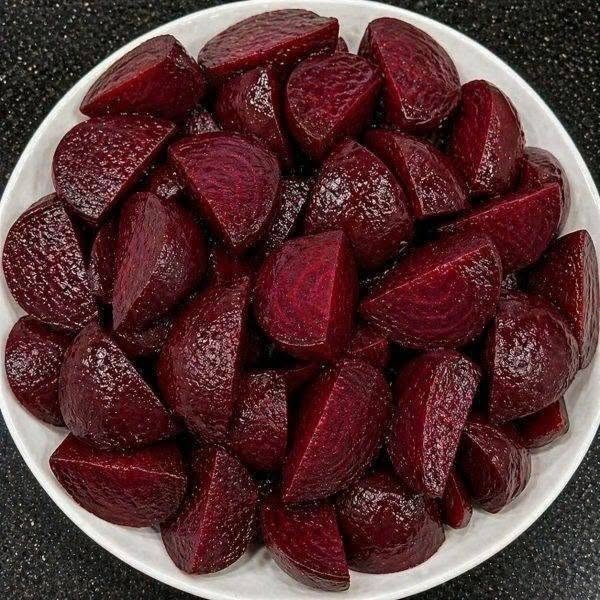
Tip 1: Keep it simple by roasting a whole batch of beets on Sunday and keeping them chilled for quick salads and bowls all week.
Tip 2: Choose firm, smooth-skinned beets with deep color and unblemished tops for the sweetest, least woody texture.
Tip 3: Avoid antibacterial mouthwash right before eating beets for stamina—research shows it can wipe out helpful oral bacteria needed to convert nitrates into nitric oxide.
Tip 4: Try pairing beets with a calcium source (like feta or Greek yogurt) if you want to help bind dietary oxalates during digestion.
Tip 5: For a better result when peeling, wear kitchen gloves or rinse your hands immediately after handling cut beets to avoid stained fingertips.
Tip 6: Time it right by eating beets or drinking beet juice 2 to 3 hours before a workout if your goal is endurance support.
FAQ
What is the best way to prepare beets for health benefits?
Roasting, steaming, or eating them raw/shredded preserves the highest levels of natural nitrates and antioxidants compared to boiling.
How often should I eat beets?
Eating ½ to 1 cup of cooked beets two to four times a week is a safe, balanced routine for most healthy adults.
Can I do this at home?
Yes—scrubbing, quartering, and roasting fresh beets in a standard oven takes only about 10 minutes of hands-on prep.
What should I avoid?
Avoid panicking if you notice pink urine (beeturia), over-boiling beets in lots of water, or consuming large daily doses if you are prone to oxalate kidney stones or already have low blood pressure.
Conclusion
Far from being a mystery, what eating beets causes is mostly good news: better circulation, steady digestive fiber, and rich antioxidant support—plus a harmless pink surprise if you eat plenty of them. Roast a simple batch this week, start with a moderate serving, and notice how your energy responds.