Remember This Vintage Wooden Bowl? The Forgotten Kitchen Tool That Brings Back Beautiful Memories
What Were Those Small Pointed Metal Tools Used For?
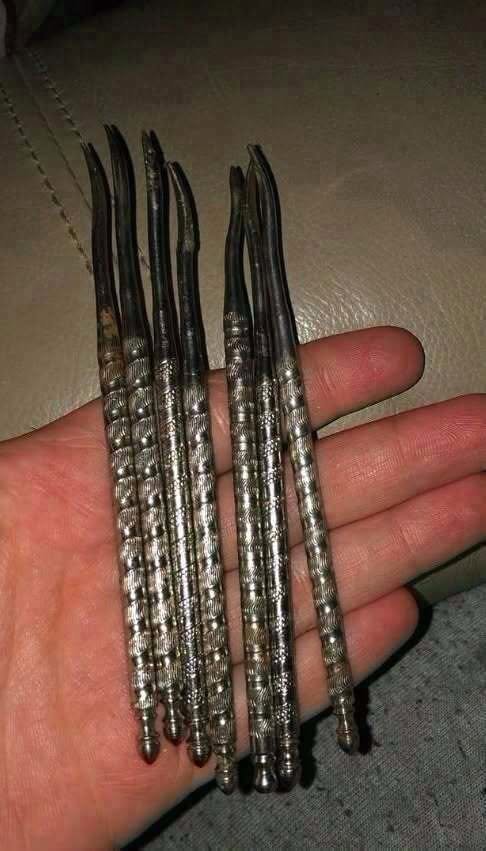
One of the most interesting features of traditional nut bowl sets is the collection of narrow, pointed metal utensils.
Someone unfamiliar with these accessories might mistake them for miniature forks or unusual kitchen tools.
They are actually called nut picks.
Nut picks were designed to remove edible nut pieces from inside cracked shells.
This was particularly useful for walnuts and pecans, which contain irregularly shaped compartments that can trap small fragments.
After cracking the outer shell, a person could carefully use the pointed end of the pick to extract the remaining nut meat.
These tools helped reduce waste and made the entire process easier.
Although their design was straightforward, they demonstrate how older household products often addressed very specific everyday needs.
Are Vintage Nut Bowls Still Useful Today?
Absolutely. Although modern grocery stores sell many varieties of shelled nuts, traditional nut bowls can still serve practical purposes.
Some people continue using them exactly as originally intended.
Others repurpose them as decorative serving pieces.
A well-preserved bowl can be used to display whole nuts, wrapped candies, or other dry snacks, provided the surface is suitable for food contact.
It can also become a charming decorative accent on a kitchen counter, dining table, or sideboard.
The natural appearance of wood makes these pieces particularly attractive in rustic, farmhouse, and traditional interiors.
However, older finishes deserve special consideration. If a vintage bowl has unknown coatings, peeling finishes, or signs of deterioration, it may be better to display it decoratively rather than use it for uncovered food.
The Nutritional Value of Nuts
Traditional nut bowls weren’t simply attractive household accessories. They were also designed to serve a food that can contribute valuable nutrients to a balanced diet.
Many nuts contain unsaturated fats, plant-based protein, fiber, and essential vitamins and minerals.
Walnuts, for example, provide plant-based omega-3 fatty acids.
Almonds are known for their vitamin E content, while pistachios and pecans offer different combinations of beneficial nutrients.
Eating nuts in moderate portions can be part of a balanced eating pattern.
However, individual nutritional needs vary, and people with nut allergies must avoid the specific nuts that trigger their reactions.
Cracking nuts by hand may also encourage a slower eating pace, although it should not be considered a guaranteed method for controlling portion sizes.
How to Clean and Care for an Old Wooden Nut Bowl
If you discover one of these vintage bowls in a cupboard or inherit one from a relative, proper maintenance can help preserve its appearance.
Clean the Wood Carefully
For a bowl with a sound, water-resistant finish, gently wipe the surface with a slightly damp cloth.
If necessary, use a small amount of mild dish soap, then remove any residue and dry the bowl promptly.
Avoid leaving wooden bowls submerged in water.
Prolonged moisture exposure can contribute to swelling, cracking, or damage to the finish.
Inspect the Metal Accessories
Older nutcrackers and picks may develop discoloration or corrosion.
Check the condition of each tool before using it.
Tools showing substantial rust, damaged surfaces, or sharp defects should not be used for food preparation.
Preserve the Original Finish
Collectors often appreciate vintage household objects that retain their original appearance.
Aggressive sanding or refinishing may remove details that contribute to an item’s historical character.
If the bowl is valuable or particularly old, professional restoration advice may be appropriate.
Could Your Vintage Nut Bowl Be Collectible?
Vintage wooden nut bowls are often found at estate sales, secondhand stores, flea markets, and antique shops.
Some collectors appreciate them because of their craftsmanship, design, or connection to earlier household traditions.
However, not every old wooden bowl is necessarily valuable.
Several factors may influence collector interest, including the manufacturer’s identity, age, condition, originality, and completeness of the set.
A bowl with its original nutcracker and matching picks may be more appealing than one missing essential components.
Unusual designs or identifiable makers can also attract attention.
Anyone interested in determining a particular item’s value should compare verified sales of similar examples rather than relying entirely on advertised asking prices.
Why Simple Household Objects Hold Such Powerful Memories
The emotional value of a vintage nut bowl often goes beyond its materials or market price.
For someone who remembers seeing one in a grandparent’s home, the object may represent family conversations, holiday traditions, and ordinary moments from childhood.
It can remind us of a time when preparing a snack sometimes involved sitting together and sharing an activity.
Of course, modern convenience has many advantages.
Ready-to-eat foods and contemporary kitchen tools save time and effort.
Still, older objects offer a glimpse into how previous generations organized their homes and enjoyed everyday experiences.
They preserve small pieces of social history that might otherwise be forgotten.
Final Thoughts: More Than Just an Old Wooden Bowl
A vintage wooden nut bowl may seem like an ordinary object at first, but its design tells an interesting story.
The sturdy wooden container, practical nutcracker, and delicate metal picks worked together to make preparing and serving nuts easier.
Beyond functionality, these pieces became associated with family gatherings, warm conversations, and shared traditions.
Today, they remain appealing both as useful accessories and as decorative reminders of the past.
Sometimes, the most meaningful objects in our homes aren’t the newest or most expensive. They’re the ones that connect us to the people, places, and experiences we remember.
And for anyone who grew up with one of these wooden bowls sitting on a family table, seeing it again may be enough to bring back an entire collection of treasured memories.