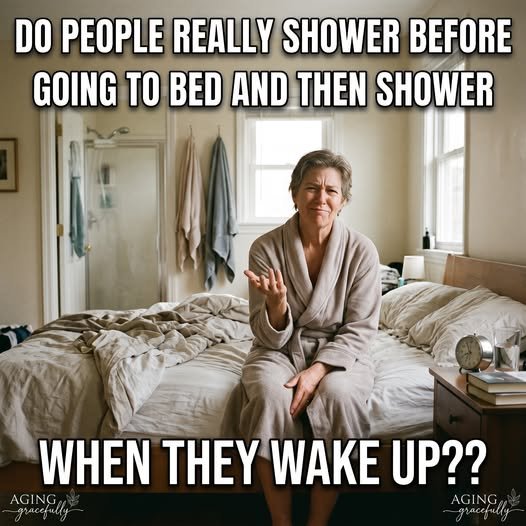
Do People Really Shower Before Bed and Then Shower Again When They Wake Up?
4. Is Showering Twice a Day Actually Good for Your Skin?
This is where dermatologists encourage a little caution.
Although showers remove sweat, dirt, and other substances, excessive washing can also affect the skin’s natural protective barrier.
Our skin produces oils that help retain moisture and protect against irritation.
Frequent washing, especially with hot water and harsh soaps, can strip away some of these oils.
Over time, this may contribute to dryness, itching, tightness, or irritation.
People with eczema, sensitive skin, or naturally dry skin may be especially affected.
That doesn’t mean showering twice a day is automatically harmful.
A person who takes two brief, lukewarm showers using gentle products might tolerate the routine perfectly well.
But someone who takes two lengthy, steaming-hot showers and vigorously scrubs their entire body each time may experience problems.
The key is understanding your skin’s needs.
How to Make Frequent Showering Gentler
If you prefer showering twice daily, a few simple habits may help protect your skin:
- Keep showers relatively short.
- Use lukewarm rather than extremely hot water.
- Choose gentle, fragrance-free cleansers if your skin is sensitive.
- Focus soap on areas that genuinely need cleaning rather than repeatedly scrubbing the entire body.
- Apply moisturizer after showering, especially when your skin feels dry.
If you experience persistent irritation, itching, cracking, or discomfort, consider speaking with a healthcare professional.
5. Do You Really Get Dirty While Sleeping?
This is one of the most common arguments in the morning-versus-night shower debate.
People who shower at night often ask: “If I went to bed clean, why would I need another shower when I wake up?”
It’s a reasonable question.
However, the body doesn’t completely stop its normal processes during sleep.
We continue producing sweat and skin oils, and our skin naturally sheds cells.
The amount of sweat varies depending on factors such as room temperature, bedding, clothing, physical health, and individual differences.
Some people wake up feeling almost exactly as clean as they did the night before.
Others feel sweaty or uncomfortable.
Neither experience is unusual.
And importantly, the normal changes that happen to our skin overnight don’t automatically mean we need a full-body shower every morning.
6. What About Your Bedsheets?
Nighttime shower supporters frequently raise another point: keeping the bed clean.
When we sleep, our bedding comes into contact with our skin, hair, sweat, and natural body oils.
Taking a shower before bed may reduce some of the dirt and sweat transferred onto sheets.
However, it doesn’t eliminate the need to wash bedding regularly.
Pillowcases and sheets still collect body oils, skin cells, and other material over time.
Maintaining clean bedding is therefore important regardless of when you prefer to shower.
For many households, washing sheets roughly once a week is a practical starting point, although individual needs vary.
People who sweat heavily, sleep with pets, or have certain allergies may prefer washing their bedding more frequently.
7. Does Age Change How Often You Should Shower?
As people grow older, their skin often becomes thinner and produces less oil.
This can make it more vulnerable to dryness and irritation.
For some older adults, frequent hot showers may worsen these problems.
Depending on physical activity, sweating, skin condition, and personal needs, a daily full-body shower may not always be necessary.
Regular cleaning of areas such as the underarms, groin, hands, and face can remain part of good hygiene even on days without a full shower.
That said, age alone doesn’t determine the ideal showering schedule.
An active older adult who exercises daily may have very different needs from someone with limited mobility.
The best routine is one that maintains cleanliness without unnecessarily irritating the skin.
8. What Do People Around the World Think?
Showering habits can vary considerably across cultures, regions, climates, and households.
In warmer environments, frequent showers may be common because people sweat more.
In colder climates, some individuals may prefer less frequent washing, particularly during winter when the skin becomes dry.
Work schedules also matter.
Someone who begins work before sunrise may prefer a morning shower.
A person returning home after a physically demanding shift might consider an evening shower essential.
Families also pass down hygiene habits from one generation to another.
If you grew up in a household where everyone showered before bed, that routine might feel completely natural.
If your family always showered in the morning, you may find nighttime showers unnecessary.
Neither tradition automatically makes someone cleaner or healthier.
9. Morning Shower vs. Night Shower: Which Is Better?
The best showering time depends on what you’re trying to accomplish.
A morning shower may be especially appealing if you sweat overnight, prefer washing your hair before styling it, or enjoy starting the day feeling refreshed.
An evening shower may suit you better if you exercise after work, spend time outdoors, or want to remove sweat and environmental dirt before getting into bed.
For people with seasonal allergies, washing after significant outdoor exposure may also help remove pollen from the skin and hair.
And if you enjoy both showers?
That can be perfectly reasonable, provided your skin tolerates the routine and you’re mindful of excessive washing.
You might even decide that one shower should be a full wash while the other is simply a brief rinse.
There is no need to follow an elaborate routine just because someone else does.
10. The Real Question Isn’t How Often You Shower
People sometimes treat personal hygiene habits as though there’s only one acceptable answer.
But cleanliness depends on much more than the number of showers a person takes.
Regular handwashing, clean clothing, appropriate personal hygiene, and attention to the body’s needs all matter.
Someone taking one effective shower a day can maintain excellent hygiene.
Someone showering twice a day may also maintain excellent hygiene.
And depending on their activities, skin condition, and circumstances, some people may not need a full shower every single day.
It’s more useful to consider personal comfort, cleanliness, and skin health than to compare shower counts.
Final Thoughts: Two Showers in Eight Hours — Necessary or Excessive?
So, do people really shower before going to bed and then shower again after waking up?
Absolutely.
For some, it’s a lifelong habit that makes them feel comfortable and refreshed.
For others, it sounds like an unnecessary use of time and water.
Neither reaction is surprising.
Our routines are shaped by our bodies, our environments, our upbringing, and our preferences.
The most important thing is finding a hygiene routine that works for you without causing skin problems.
Being clean doesn’t require following someone else’s shower schedule.
And sometimes, the simplest daily habits create the biggest conversations.
Now It’s Your Turn! 🚿
Do you shower before bed, when you wake up, or BOTH?
And if you shower twice a day, what makes you prefer that routine?
Share your answer in the comments. You might be surprised by how differently people approach something as ordinary as taking a shower!