Why Your Legs Feel Restless at Night and What May Help You Sleep Better.
Nighttime Leg Cramps: 7 Common Causes and How to Stop Them Naturally
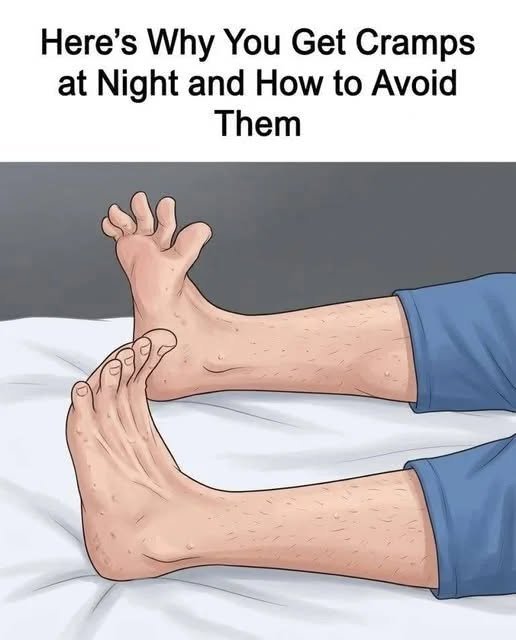
Have you ever woken up in the middle of the night with sudden, painful tightening in your calf or foot? Nighttime leg cramps can make it difficult to sleep and leave your muscles feeling sore the next morning. Although they are often harmless, they can have several possible causes. Understanding what triggers them and learning a few simple ways to relieve them may help you sleep more comfortably.
## Step 1 — Understand the 7 Common Causes of Nighttime Leg Cramps
Nighttime leg cramps are sudden, involuntary muscle contractions that commonly affect the calves, feet, or thighs. They can last from a few seconds to several minutes.
Here are seven possible reasons they happen:
**1. Muscle Fatigue**
Standing, walking, exercising, or working for long periods can tire your muscles and may increase the chance of cramps during the night.
**2. Dehydration**
Not drinking enough fluids throughout the day may contribute to muscle problems, particularly when combined with sweating or physical activity.
**3. Staying in One Position Too Long**
Sitting or lying in the same position for extended periods may contribute to muscle stiffness and discomfort.
**4. Physical Overexertion**
Intense exercise, especially when your muscles are not accustomed to it, can sometimes trigger cramps later.
**5. Pregnancy**
Some pregnant women experience nighttime leg cramps, particularly during the later stages of pregnancy.
**6. Certain Medications**
Some medications, including certain diuretics and cholesterol-lowering drugs, may be associated with muscle cramps. Never stop prescribed medication without consulting your healthcare professional.
**7. Underlying Health Conditions**
Conditions affecting nerves, blood circulation, or kidney function may sometimes contribute to recurring muscle cramps.
## Step 2 — How to Stop a Leg Cramp When It Happens
When a leg cramp suddenly wakes you up, the goal is to gently relax the affected muscle.
Try these simple steps:
**1. Stretch the affected muscle.**
If your calf is cramping, straighten your leg and gently pull your toes toward your face. This stretches the calf muscle and may help it relax.
**2. Stand up carefully.**
If you can do so safely, place your feet flat on the floor and gently put weight on the affected leg.
**3. Massage the muscle.**
Use your hands to gently massage the tight area. Avoid pressing too hard, especially if the muscle is extremely painful.
**4. Apply warmth.**
A warm towel or heating pad on a low setting may help relax a tight muscle. Protect your skin and avoid falling asleep with a heating pad switched on.
**Common mistake to avoid:** Do not forcefully stretch or massage a severely painful muscle. Gentle movements are usually more appropriate.
## Step 3 — Reduce the Chances of Cramps Before Bedtime
A few simple habits may help reduce nighttime discomfort.
– Stretch your calf muscles gently before going to bed.
– Take a short, comfortable walk during the day.
– Drink enough fluids throughout the day.
– Avoid suddenly increasing the intensity of your exercise routine.
– Try a warm shower or bath to relax your muscles.
These habits may help, although they cannot prevent every episode of nighttime cramping.