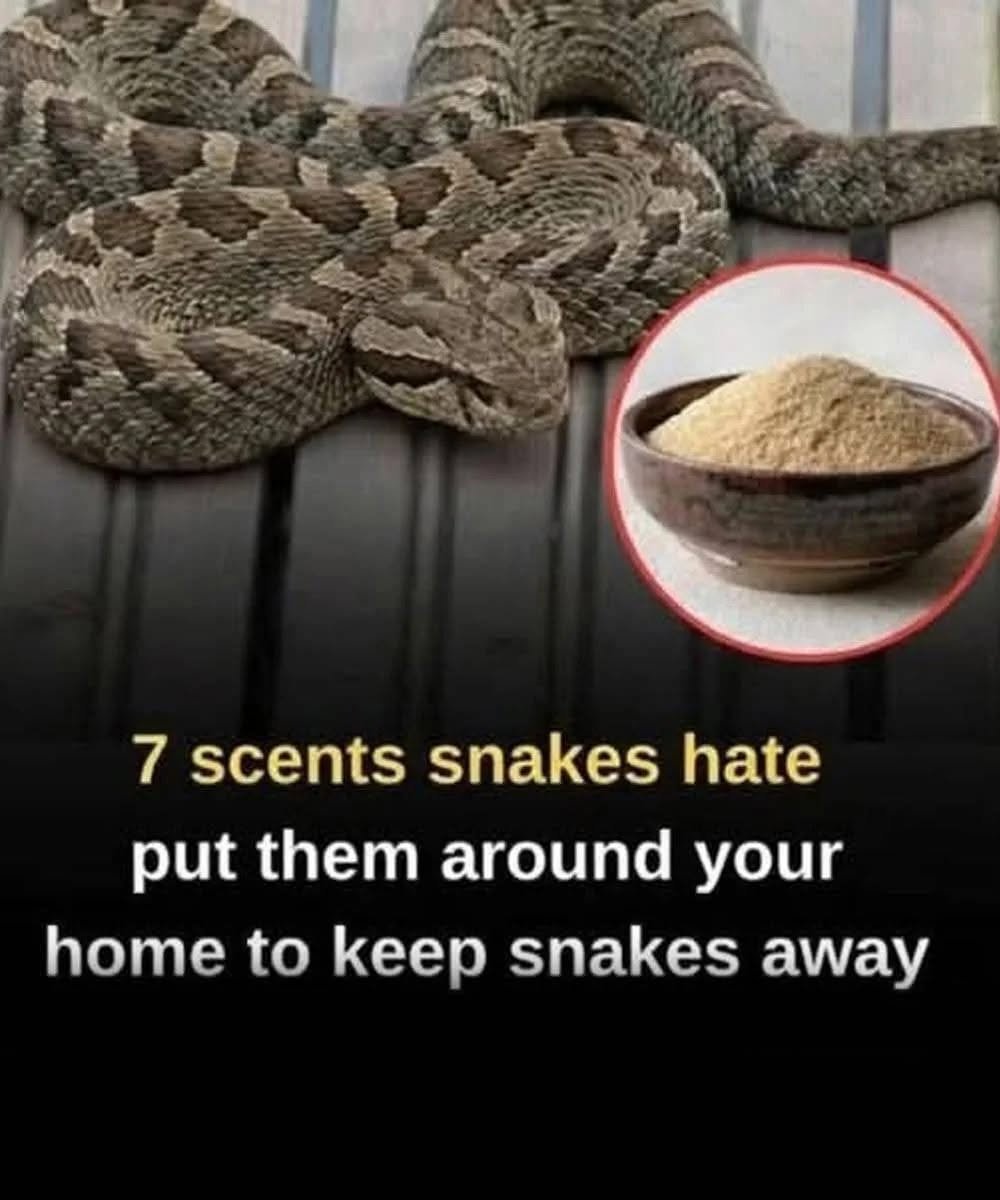
7 Smells People Say Snakes Hate — Do They Really Keep Snakes Away?
7 Smells People Say Snakes Hate — Do They Really Keep Snakes Away?
Snakes use their highly developed chemical-sensing system to explore their surroundings, locate food, and detect other animals. This has led to many popular home remedies claiming that certain strong smells can keep snakes away. But do scents such as garlic, cinnamon, or vinegar really work? Let’s explore seven commonly mentioned smells, what science says about them, and the practical steps that can actually help protect your home.
2. Step 1 — Understand the 7 Smells Commonly Believed to Repel Snakes
You may have heard that snakes dislike certain strong odors. Here are seven smells frequently mentioned in traditional home remedies:
1. Garlic
Garlic has a strong smell caused by natural sulfur-containing compounds. Some people believe scattering garlic around a garden discourages snakes. However, there is no reliable evidence that garlic keeps snakes away.
2. Onion
Onions release strong-smelling compounds when cut. They are sometimes recommended as a natural snake deterrent, but their effectiveness has not been scientifically established.
3. Cinnamon
Cinnamon has a powerful, recognizable aroma. Although it is sometimes included in homemade animal-repellent recipes, there is no convincing evidence that sprinkling cinnamon around your property prevents snakes from entering.
4. Clove Oil
Clove oil contains eugenol, a compound responsible for its distinctive smell. It is often promoted online as a natural snake repellent, but it has not been proven to provide reliable protection around homes.
5. Vinegar
Vinegar has a sharp, acidic odor and is commonly used for household cleaning. Some online remedies suggest pouring it around gardens or outdoor areas to repel snakes, but this is not a scientifically established method.
6. Peppermint Oil
Peppermint oil has a strong minty fragrance and is commonly promoted as a natural pest deterrent. However, there is insufficient evidence that it reliably keeps snakes away.
7. Sulfur
Sulfur is one of the most frequently advertised ingredients in commercial and homemade snake-repellent remedies. Despite its reputation, research has found that sulfur treatments do not reliably repel snakes.
Important: These seven smells should not be presented as proven snake repellents. Mississippi State University Extension reports that several traditional remedies, including sulfur, cayenne pepper, and other strong-smelling substances, failed to repel tested snakes.
3. Step 2 — Use Proven Ways to Make Your Home Less Attractive to Snakes
Instead of relying on strong smells, focus on removing the things that attract snakes in the first place.
What to do:
- Keep grass short around your house.
- Remove piles of leaves, stones, old wood, and garden debris.
- Store firewood away from the house and keep it raised above the ground.
- Remove unnecessary objects that provide dark hiding places.
- Keep outdoor pet food and birdseed in tightly sealed containers.
Why does this help?
Snakes often visit properties because they offer shelter, suitable temperatures, and access to food such as rodents. Removing these attractions makes your property less appealing.
Common mistake to avoid: Don’t assume that a clean-looking garden is completely snake-proof. Even small openings, piles of materials, and rodent activity can create suitable conditions for snakes.
4. Step 3 — Block Entry Points Around Your Home
Keeping snakes outside is just as important as making your garden less attractive.
Inspect the exterior of your home for:
- Cracks in walls and foundations.
- Gaps beneath exterior doors.
- Openings around water pipes and electrical cables.
- Damaged window screens.
- Uncovered drainage or ventilation openings.
Seal suitable gaps with appropriate building materials, and use fine metal mesh where ventilation openings need protection.
If you frequently encounter snakes around your property, consider asking a qualified wildlife-control professional to inspect the area and recommend suitable barriers.
Never attempt to catch or handle an unidentified snake yourself.