7 Things You Should Never Plug Into a Power Strip (And Why)
7 Things You Should Never Plug Into a Power Strip (And Why)
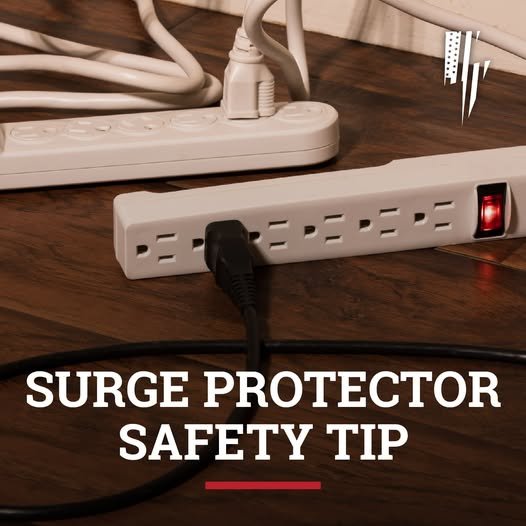
Power strips are convenient household devices that allow you to connect several electrical appliances to a single wall outlet. However, plugging certain devices into them can overload the circuit, cause overheating, or even create a fire hazard. Many people use power strips every day without realizing that some appliances need their own dedicated wall outlets. Here are seven things you should avoid plugging into a power strip.
Step 1 — Never Plug a Space Heater Into a Power Strip
Space heaters use a significant amount of electricity and require careful handling.
Why?
Most portable heaters draw high electrical current. Connecting one to an ordinary power strip can exceed its rated capacity, causing overheating and potentially starting a fire.
What to do:
- Plug your space heater directly into a suitable wall outlet.
- Keep it away from curtains, furniture, and bedding.
- Follow the manufacturer’s safety instructions.
Step 2 — Avoid Plugging a Refrigerator Into a Power Strip
Refrigerators require a reliable electrical connection and can draw additional power when their compressors start.
Why?
Some power strips may not be designed to handle the refrigerator’s electrical requirements. An unsuitable connection can overheat or interrupt the appliance’s power supply.
What to do:
- Use a properly grounded wall outlet.
- Follow the refrigerator manufacturer’s electrical requirements.
- Avoid sharing its outlet with other high-power appliances.
Common mistake to avoid: Never assume that a power strip is suitable just because its plugs physically fit.
Step 3 — Never Connect a Microwave to an Ordinary Power Strip
Microwaves are powerful appliances that often require substantial electrical current.
Why?
An ordinary power strip may not be rated to handle the microwave’s power requirements, increasing the risk of overheating and electrical problems.
What to do:
- Plug the microwave directly into a properly rated wall outlet.
- Check the appliance’s electrical specifications.
- Follow the manufacturer’s installation instructions.