How to Defrost a Freezer in 15 Minutes (Safely and Without Scraping)
How to Defrost a Freezer in 15 Minutes (Safely and Without Scraping)
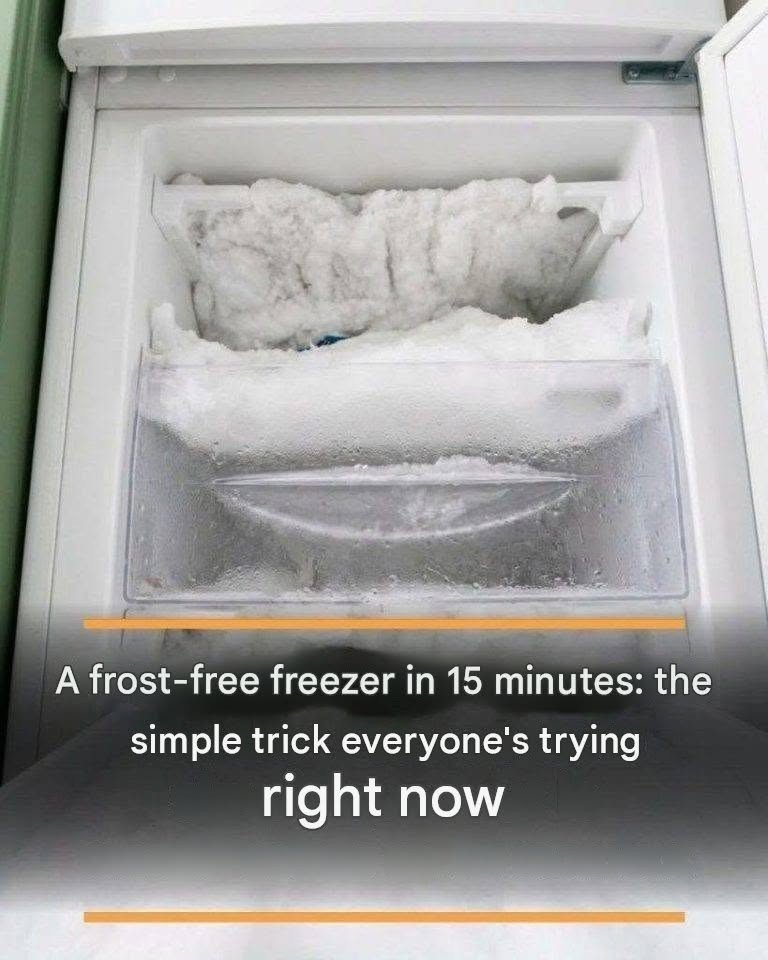
Thick ice buildup inside a freezer steals valuable shelf space, forces the compressor to work harder, and spikes your electricity bill—yet waiting hours for it to melt naturally feels impossible. Fortunately, one simple steam-heat trick can loosen stubborn frost in about 15 minutes without dangerous scraping. Below, you will learn how to prep your freezer safely, melt thick ice fast, and keep frost from returning.
Step 1 — Unplug the Freezer, Empty It, and Line the Bottom
What to do: Disconnect power, pack frozen food into a cooler, and place absorbent towels to catch meltwater.
How to do it: Unplug the freezer (or switch off its dedicated circuit), transfer frozen food tightly into an insulated cooler with ice packs, remove any loose drawers or baskets, and lay thick bath towels—plus a shallow baking sheet if there is room—along the bottom of the freezer and on the floor in front of the door.
Short practical explanation: Turning off the power keeps you safe around water and stops the cooling coils from fighting your heat source, while tightly packed coolers keep food solidly frozen for well over 30 minutes.
Step 2 — Use a Bowl of Steaming Hot Water to Loosen the Ice
What to do: Place a heat-safe pot or bowl of steaming hot water inside the closed freezer to soften and release thick frost in 10 to 15 minutes.
How to do it: Bring water to a boil, set a thick folded towel or trivet onto a sturdy freezer shelf (never directly onto cold glass), place the hot pot on top, and shut the freezer door for 10 to 15 minutes. Open the door and gently lift away the loosened sheets of ice using a plastic spatula or gloved hands.
Common mistake to avoid: Never chip at ice with knives, screwdrivers, or metal ice picks—one slip can puncture a hidden refrigerant line and permanently destroy the freezer. Also avoid holding a corded hair dryer near dripping meltwater, which creates a serious electric shock hazard and can warp interior plastic.
Step 3 — Wipe Completely Dry and Inspect the Door Seal
What to do: Dry every interior wall, shelf, and drawer thoroughly before restarting the unit, and test the rubber door gasket.
How to do it: Mop up all standing water, wipe surfaces clean with a cloth dampened in mild baking soda and warm water, then towel-dry completely. Test the door seal by closing a sheet of paper in the door—if it slides out without resistance, clean the rubber gasket with warm soapy water (or replace it if cracked). Plug the freezer back in and let it chill for 15 to 20 minutes before reloading food.
Short practical explanation: Leaving even a light film of moisture inside causes fresh frost to freeze onto the walls immediately, while a tight gasket stops humid room air from leaking in.
“Read the Next Page for More Details”
Pages: 1 2