What Is This Insect With Pincers on Its Tail? How to Identify and Handle Earwigs
What Is This Insect With Pincers on Its Tail? How to Identify and Handle Earwigs
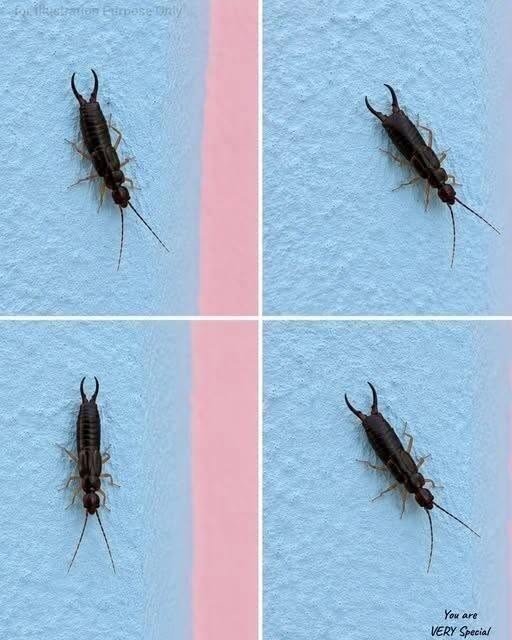
The insect in your photos looks like an earwig, a common garden and household bug recognized by the pair of curved pincers (cerci) at the rear. It looks intimidating, but it’s mostly harmless to people. Here’s how to confirm the ID, deal with it safely, and keep earwigs from coming back.
(Note: I’m identifying this from the photos alone. The slender dark body, long antennae, and forceps-like tail match an earwig, but confirm with a local extension office if you’re unsure. The “For Illustration Purpose Only” watermark suggests the image may be a stock or generated photo.)
Step 1 — Confirm It’s an Earwig
What to do: Check the key features before you treat anything.
How to do it: Earwigs are usually about 1/2 to 1 inch long, reddish-brown to dark brown, with a flattened body, long thin antennae, and a pair of pincers at the tail end. Males typically have more curved pincers, while females have straighter ones. They’re nocturnal and hide by day in damp, dark spots such as under pots, mulch, leaf litter, and door frames. Pale blue or pink walls like the ones in your photos are a common place to spot them after dusk.
Common mistake to avoid: Assuming they’re dangerous. Earwigs can pinch if handled, but they don’t sting, carry venom, or transmit disease, and the old myth about crawling into ears and laying eggs is false.
Step 2 — Remove Them Safely
What to do: Get rid of the ones you find without harsh chemicals.
How to do it: Wear gloves, then flick or sweep them into a container of soapy water. A vacuum also works well for indoor ones. To trap them, set out a rolled, damp newspaper or a shallow tin with a little vegetable oil and soy sauce overnight, then dispose of the catch in the morning. Seal any gaps around doors, windows, and pipes to keep more from coming in.
Common mistake to avoid: Spraying strong pesticides at the first sighting. A few earwigs are harmless, and chemicals can hurt beneficial insects and pets.
Step 3 — Reduce What Attracts Them
What to do: Remove the damp, dark hiding places that draw them in.
How to do it: Clear leaf piles, wood stacks, and clutter next to the house. Keep mulch a few inches away from the foundation, and fix leaky taps and gutters. Run a dehumidifier in damp basements and bathrooms. Turn off or switch to yellow bulbs on outdoor lights near doors, since bright lights attract many insects. For persistent infestations, consider diatomaceous earth around entry points or a professional.
Common mistake to avoid: Overwatering gardens and leaving debris near the walls. Moisture is the main reason they gather.