The Milk Can Latch: What This Old Farm Hook Does and How to Use It
Tips for Better Results
- Tip 1: Check the can for maker stamps or dairy names, since they can raise its collectible value.
- Tip 2: Keep antique cans dry, because moisture speeds up rust at the seams and latch.
- Tip 3: Don’t use a vintage can for food or milk unless it’s been inspected, since old solder and wear can be unsafe.
- Tip 4: Use a light machine oil on the pivot, and wipe off the excess.
- Tip 5: Reuse old cans as umbrella stands, planters, or rustic porch décor.
- Tip 6: Display the can with the latch visible to show off the craftsmanship.
- Tip 7: Ask older relatives or farm-auction regulars about local dairy history. They often know the story behind a piece.
- Tip 8: Avoid repainting. Original finishes are worth more.
FAQ
What is this item?
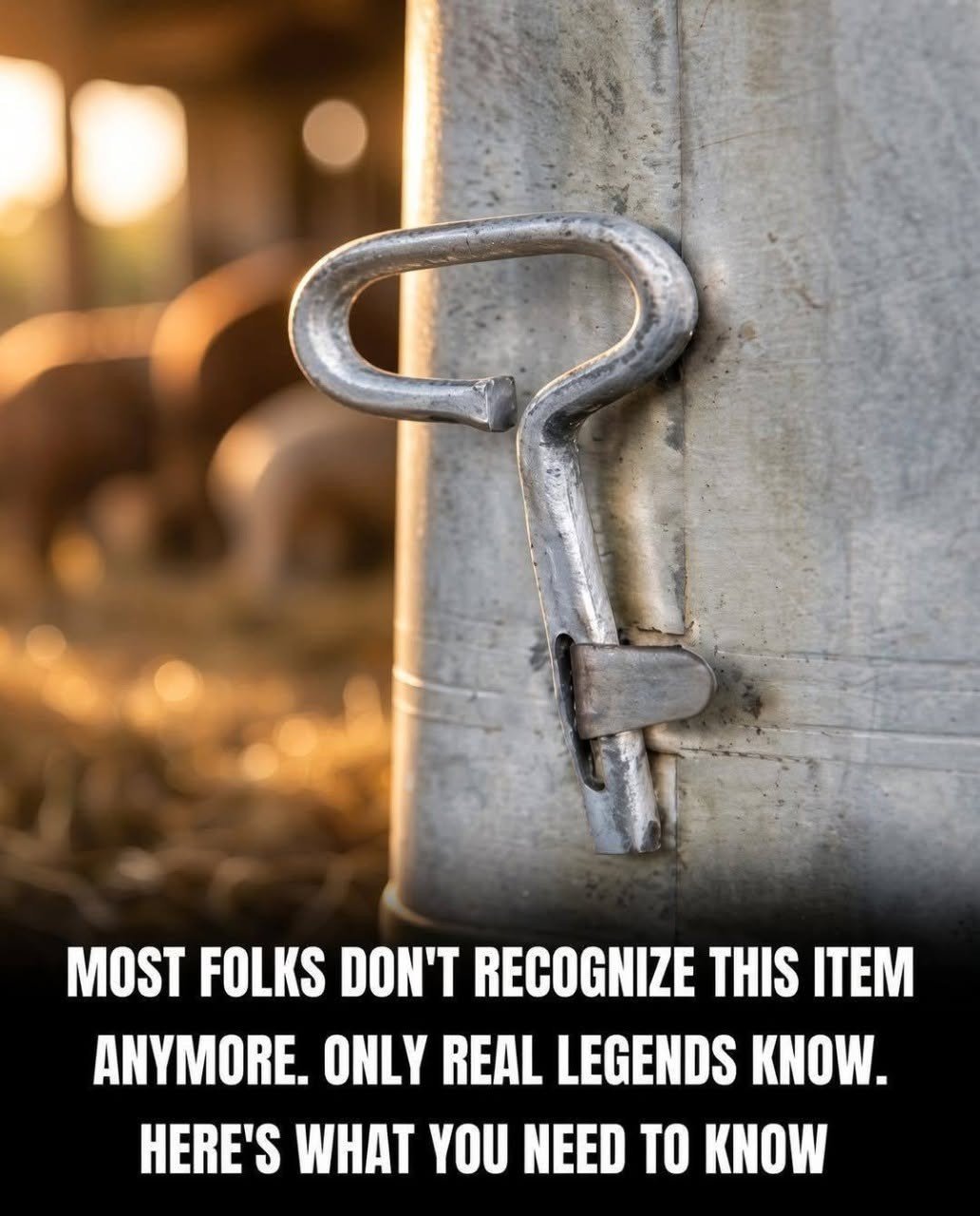
It’s a milk can latch, a hook-style closure used on traditional dairy cans.
How often should I oil it?
Once or twice a year if it’s used or displayed, or whenever it feels stiff.
Can I use it at home?
Yes, mostly for décor, storage, or garden use. Avoid using old cans for food or drink.
What should I avoid?
Forcing it, soaking it in water, using harsh cleaners, or storing it in a damp place.
Conclusion
The milk can latch is a small piece of farm history that’s both clever and durable. Knowing how it works helps you appreciate, use, and preserve these vintage cans. Whether you inherited one or found it at a flea market, take a closer look and give it the care it deserves. Suggested internal link: “How to Identify and Value Antique Farm Collectibles.”