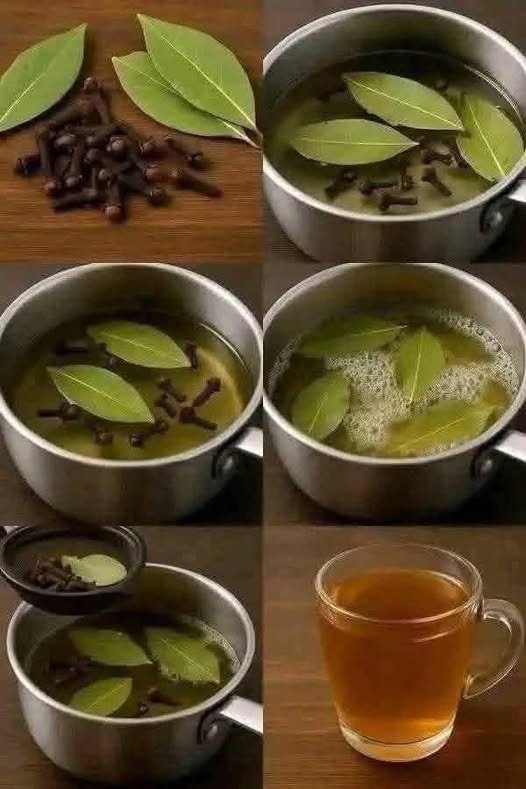
Bay Leaf and Clove Tea: A Simple, Aromatic Herbal Infusion You Can Make at Home
What Makes Bay Leaves and Cloves Interesting?
Both ingredients contain naturally occurring aromatic compounds that contribute to their characteristic flavors.
However, their chemical composition should not be confused with proof of medical effectiveness.
Bay Leaves and Their Natural Compounds
Culinary bay leaves contain aromatic substances such as 1,8-cineole and other plant-derived compounds.
These contribute to the herb’s distinctive fragrance.
Bay leaves have been studied for various biological properties, but much of the research involves laboratory experiments, animals, or concentrated preparations.
There is insufficient high-quality human evidence to conclude that ordinary bay leaf tea can treat digestive disorders, diabetes, or inflammatory diseases.
Cloves and Eugenol
Cloves contain eugenol, a naturally occurring aromatic compound responsible for much of their characteristic scent.
Laboratory studies have examined eugenol for antioxidant and antimicrobial properties.
Nevertheless, results from laboratory experiments do not establish that drinking clove tea provides the same effects in the human body.
The amount extracted into a homemade infusion also varies depending on the ingredients, preparation method, and steeping time.
Can Bay Leaf and Clove Tea Help With Digestion?
Bay leaves and cloves have traditionally been used in foods and beverages associated with digestion.
Some people enjoy a warm herbal infusion after a heavy meal because it feels soothing and comforting.
However, there is limited clinical evidence demonstrating that this specific tea reliably reduces bloating, improves digestion, or treats stomach discomfort.
The beverage should not be described as a medical remedy.
If digestive symptoms are frequent, severe, or persistent, professional medical advice is more appropriate than relying on herbal preparations.
Does This Herbal Tea Help With Weight Loss?
Online articles sometimes suggest that bay leaf and clove tea can accelerate metabolism, burn abdominal fat, or produce rapid weight loss.
These claims are not supported by strong clinical evidence.
No ordinary herbal infusion can selectively eliminate belly fat.
Weight management involves multiple factors, including dietary patterns, physical activity, sleep, medications, and underlying health conditions.
Unsweetened bay leaf and clove tea is a low-calorie beverage and may be enjoyed in place of sugary drinks.
That substitution can help reduce added-sugar intake, but it does not make the tea a proven weight-loss treatment.
Important Precautions Before Drinking This Tea
Although bay leaves and cloves are familiar culinary ingredients, concentrated herbal preparations may not be suitable for everyone.
Pregnancy and Breastfeeding
There is insufficient reliable safety information about medicinal amounts of bay leaf and clove preparations during pregnancy or breastfeeding.
Normal culinary use of these spices is different from consuming concentrated infusions regularly.
Pregnant or breastfeeding individuals should consult their healthcare professional before using this tea routinely.
Diabetes and Blood Sugar Medication
Some compounds in bay leaves and cloves have been studied for possible effects on blood glucose.
However, the evidence is insufficient to recommend this tea for blood sugar management.
People taking diabetes medication should avoid using concentrated herbal preparations without medical guidance.
Blood-Thinning Medication
Clove contains eugenol, which has demonstrated effects on platelet activity in experimental studies.
Anyone taking anticoagulant or antiplatelet medication should seek professional advice before consuming concentrated clove preparations.
Avoid Clove Essential Oil
Clove essential oil is significantly more concentrated than ordinary culinary cloves.
Never add clove essential oil to this tea.
Swallowing excessive amounts of clove oil can cause serious toxicity, including liver injury.
How Often Can You Drink It?
There is no scientifically established ideal daily amount of bay leaf and clove tea.
For healthy adults who tolerate these ingredients, an occasional mild culinary infusion may be reasonable.
However, the absence of a clearly established safe medicinal dose means that stronger preparations and repeated daily consumption should not be assumed harmless.
Avoid treating the beverage as a substitute for prescribed medication or professional healthcare.
Tips for Improving the Flavor
Bay leaf and clove tea has a naturally strong aroma, so small adjustments can make it more enjoyable.
Add Fresh Lemon
A thin slice of lemon can introduce a pleasant citrus note that balances the earthy flavor of bay leaves.
Use a Little Honey
If you prefer a sweeter drink, add a small amount of honey after the infusion has cooled slightly.
Remember that honey contributes added sugar and should never be given to children under 12 months.
Adjust the Steeping Time
For a milder flavor, reduce the steeping time.
Longer steeping generally produces a stronger aroma, although more concentrated does not necessarily mean healthier.
How to Store Leftover Herbal Tea
For the best flavor, enjoy this infusion shortly after preparation.
If you have leftovers, remove the spices, allow the tea to cool promptly, and refrigerate it in a clean, covered container within two hours.
Consume within 24 hours for best quality.
Reheat gently before drinking, or serve chilled if preferred.
Discard the infusion if it develops an unusual odor, appearance, or signs of spoilage.
Final Thoughts
Bay leaf and clove tea is a simple homemade infusion that combines two familiar culinary spices in a fragrant, warming beverage.
The preparation requires only water, bay leaves, cloves, and a few minutes of your time.
Its appeal lies primarily in its distinctive aroma, comforting warmth, and ease of preparation.
Although both ingredients contain interesting natural compounds, claims that the tea can cure diseases, detoxify the body, or produce rapid weight loss are not supported by sufficient clinical evidence.
Enjoy this herbal infusion for its flavor and comforting qualities rather than expecting dramatic medical results.
With sensible preparation and attention to individual health considerations, it can be an enjoyable occasional addition to your collection of homemade beverages.