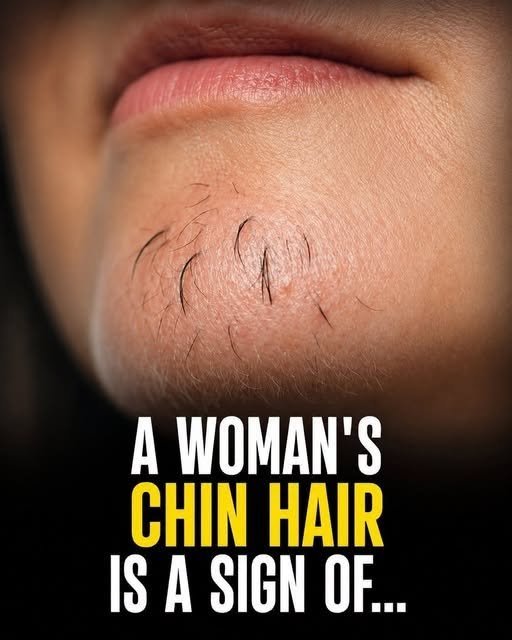
A Woman’s Chin Hair Could Be a Sign of More Than Just Aging, Experts Say
Tips for Better Results
Tip 1: Keep it simple by sanitizing your tweezers with rubbing alcohol before and after every use to prevent bacterial breakouts.
Tip 2: Choose a well-lit magnifying mirror so you can grasp the hair cleanly at the root without pinching the surrounding skin.
Tip 3: Avoid waxing or using harsh chemical depilatories on your chin if you use prescription retinoids or exfoliating acids, as this can tear the skin.
Tip 4: Try holding the skin taut and pulling the hair smoothly in the exact direction of its natural growth to prevent painful ingrown hairs.
Tip 5: For a better result, apply a soothing, fragrance-free moisturizer or pure aloe vera gel immediately after tweezing to calm redness.
Tip 6: Never squeeze or dig at an ingrown chin hair with fingernails or sharp needles, which can cause hyperpigmentation and permanent scarring.
FAQ
What is the best way to permanently get rid of chin hair? Electrolysis is the only FDA-approved method for permanent hair removal across all hair colors, while laser hair removal offers long-term reduction for dark hairs on lighter skin tones.
How often should I remove chin hair? You can tweeze or trim visible hairs as needed, typically once every few days to a couple of weeks depending on your individual growth cycle.
Can I do this at home? Yes, occasional stray hairs can be safely tweezed, trimmed, or shaved at home using clean tools and gentle skincare.
What should I avoid? Avoid plucking hairs right before a laser hair removal or electrolysis appointment, as those treatments require the hair root to remain intact in the follicle.
Conclusion
Paying attention to sudden chin hair empowers you to spot potential hormonal shifts early while keeping your skin smooth and irritation-free. Take a moment this week to note any accompanying symptoms and book a routine checkup if the growth feels unusual for you. For more ways to decode your body’s subtle signals, explore our related guide on Early Signs of Hormonal Imbalance Every Woman Should Know.