Dark Spots on Your Face? What Actually Helps Fade Them Safely
Dark Spots on Your Face? What Actually Helps Fade Them Safely
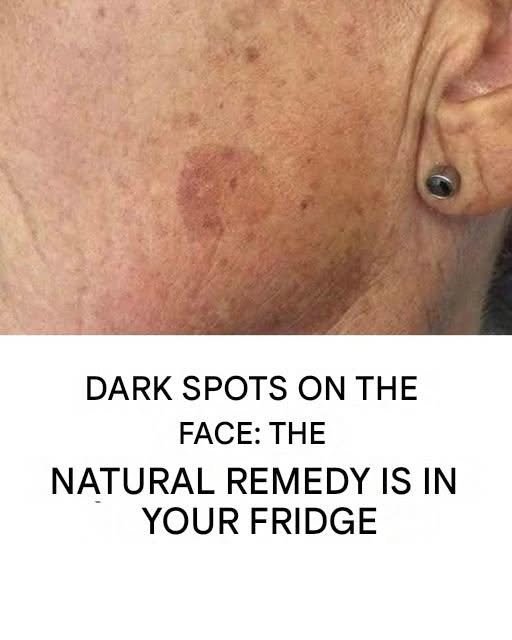
Dark spots and uneven skin tone are common concerns that can affect people of different ages. You may have seen social media posts claiming that adding one simple kitchen ingredient to your face cream can make blemishes disappear. But is that really true? Before trying a homemade remedy, it is important to understand what causes dark spots and which skincare habits can help improve their appearance safely.
Step 1 — Understand What Causes Dark Spots
Dark spots, also called hyperpigmentation, appear when certain areas of the skin produce excess melanin, the pigment responsible for skin color.
There are several common causes:
1. Sun Exposure
UV rays can stimulate melanin production, leading to brown spots and uneven skin tone. Sun exposure is one of the most common causes of pigmentation.
2. Aging
As skin gets older, some people develop age spots, also known as solar lentigines, particularly on areas frequently exposed to sunlight.
3. Acne Marks
After a pimple or skin inflammation heals, it may leave a darker mark behind. This is called post-inflammatory hyperpigmentation.
4. Hormonal Changes
Hormonal changes, including those associated with pregnancy or certain medications, can contribute to melasma, which often appears as brown or grayish patches.
5. Skin Irritation
Harsh skincare products, excessive exfoliation, and unsuitable home remedies can irritate the skin and sometimes make pigmentation worse.
Understanding the cause is the first step toward choosing an appropriate treatment.
Step 2 — Choose Ingredients That May Help Improve Dark Spots
Instead of relying on unproven kitchen remedies, consider skincare ingredients that have been studied for uneven pigmentation.
Here are some common options:
Vitamin C: An antioxidant that may help brighten the appearance of skin and reduce the appearance of some dark spots over time.
Niacinamide: May help reduce the transfer of pigment within the skin and improve uneven skin tone.
Azelaic Acid: Can help with certain types of hyperpigmentation, including dark marks left after acne.
Retinoids: Ingredients such as retinol may help improve skin cell turnover and gradually reduce some forms of pigmentation. They can cause irritation and are not suitable for everyone.
Common mistake to avoid: Do not combine several strong active ingredients at once. Introduce products gradually and follow their instructions. If you are pregnant or breastfeeding, ask a healthcare professional before using retinoids.
Step 3 — Protect Your Skin From Further Darkening
Even effective skincare products may have limited results if your skin continues to receive too much UV exposure.
Sun protection is one of the most important parts of managing dark spots.
Try these steps:
- Apply broad-spectrum SPF 30 or higher every morning.
- Reapply sunscreen approximately every two hours when outdoors, and after swimming or sweating.
- Wear a wide-brimmed hat when spending time in strong sunlight.
- Seek shade during intense sunlight.
- Choose gentle skincare products that do not cause irritation.
For melasma or persistent pigmentation, a tinted sunscreen containing iron oxides may offer additional protection against visible light.