Why Do Women Cross Their Legs? The Simple Answer
Why Do Women Cross Their Legs? The Simple Answer
People of all genders cross their legs, and the reasons are mostly practical: comfort, posture, social habit, and learned etiquette. There’s no hidden message behind it. Here’s why the habit is so common, what it does to your body, and how to sit comfortably without health downsides.
(Note: The image is a cartoon, and the question reflects a common stereotype. I’ve treated it as a general question about leg-crossing, which is not unique to women.)
Step 1 — Understand the Everyday Reasons
What to do: Look at the practical and social reasons behind the habit.
How to do it: The most common explanations are:
- Comfort and stability: Crossing the legs can feel more balanced when sitting on a chair, sofa, or bench, and it gives the body a compact, supported position.
- Clothing and modesty: In skirts or dresses, crossing the legs can feel more comfortable or more modest, and many people were taught to sit this way.
- Etiquette and culture: In many cultures, crossed legs or crossed ankles are considered polite, relaxed, or professional seating.
- Temperature: Pulling the legs together conserves warmth in a cold room.
- Habit: Many people simply cross their legs without thinking, from childhood onward.
Common mistake to avoid: Reading it as a signal about someone’s mood or intentions. Body-language claims about leg-crossing are weak and vary by person and context.
Step 2 — Know What It Does to Your Body
What to do: Understand the effects so you can sit more healthily.
How to do it: Crossing your legs briefly is harmless. Doing it for long stretches can tilt the pelvis, strain the lower back and hips, and put pressure on the nerve near the knee, which may cause tingling or numbness in the foot. It can also temporarily raise blood pressure readings, which is why you should uncross your legs for an accurate measurement. The idea that it causes varicose veins is not well supported, though it may be uncomfortable if you already have vein problems.
Common mistake to avoid: Assuming it’s dangerous. It’s a normal posture, and changing position regularly matters more than avoiding it.
“Read the Next Page for More Details”
Similar Posts
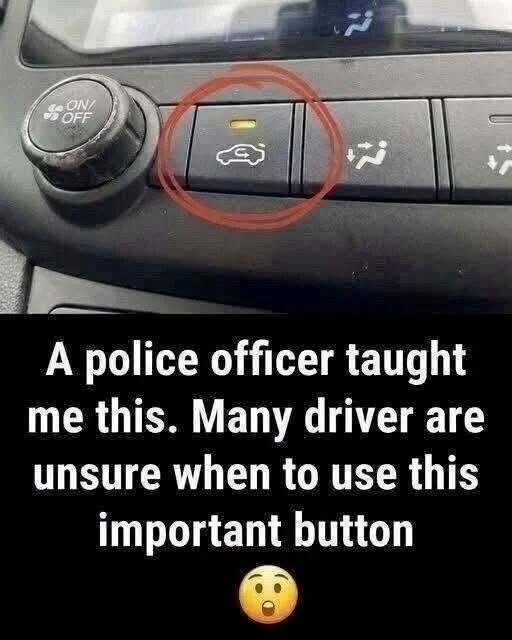
When to Use Your Car’s Air Recirculation Button (And When to Turn It Off)
When to Use Your Car’s Air Recirculation Button (And When to Turn It Off) Every dashboard has it, yet countless motorists either ignore the air recirculation button or leave it running at the wrong times. Marked by a small car with a curved arrow inside, this simple control determines whether your vehicle pulls in outside…
How to Use Your Washing Machine’s Hidden Drying Power (The Extra Spin & Towel Trick)
How to Use Your Washing Machine’s Hidden Drying Power (The Extra Spin & Towel Trick) Waiting hours for soggy clothes to air-dry—or paying extra to run a tumble dryer—can turn laundry day into a chore. While a standard washer cannot heat-dry clothes completely, every washing machine has a built-in spin function that can remove far…
What Is This Insect With Pincers on Its Tail? How to Identify and Handle Earwigs
What Is This Insect With Pincers on Its Tail? How to Identify and Handle Earwigs The insect in your photos looks like an earwig, a common garden and household bug recognized by the pair of curved pincers (cerci) at the rear. It looks intimidating, but it’s mostly harmless to people. Here’s how to confirm the…
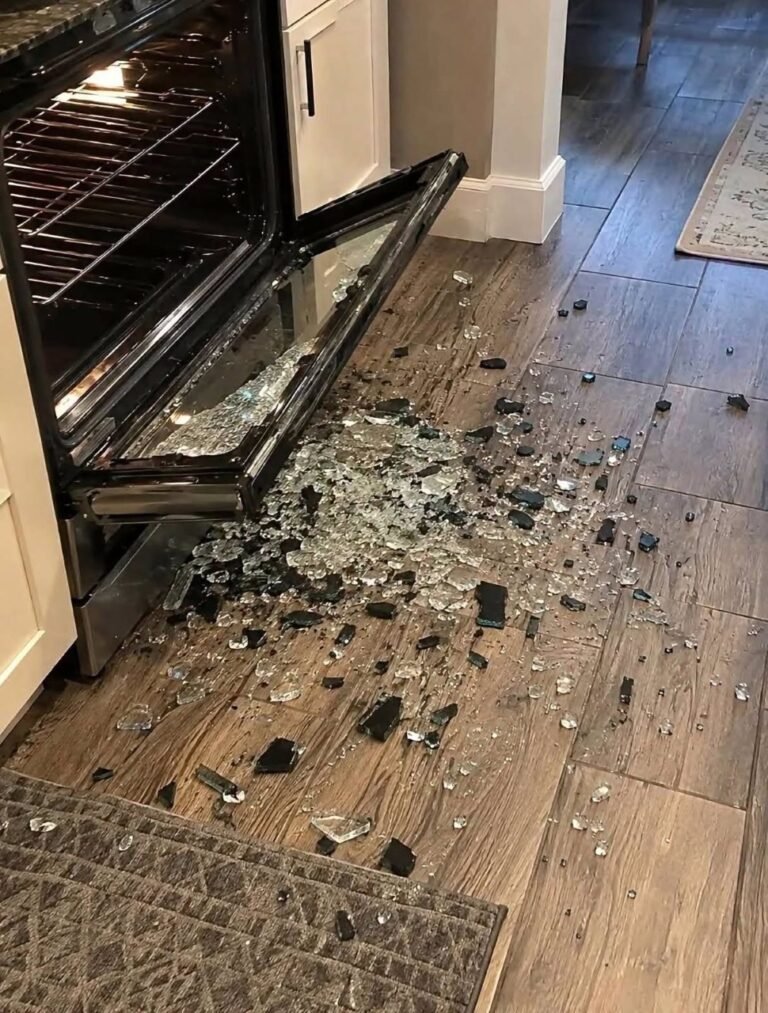
Why Did My Oven Door Glass Shatter, and What Should I Do Now?
Why Did My Oven Door Glass Shatter, and What Should I Do Now? An oven door that shatters minutes after being turned off is frightening, but it’s a known problem, and it is often covered by warranty or a repair, not a full replacement. Here’s how to clean up safely, why it likely happened, and…
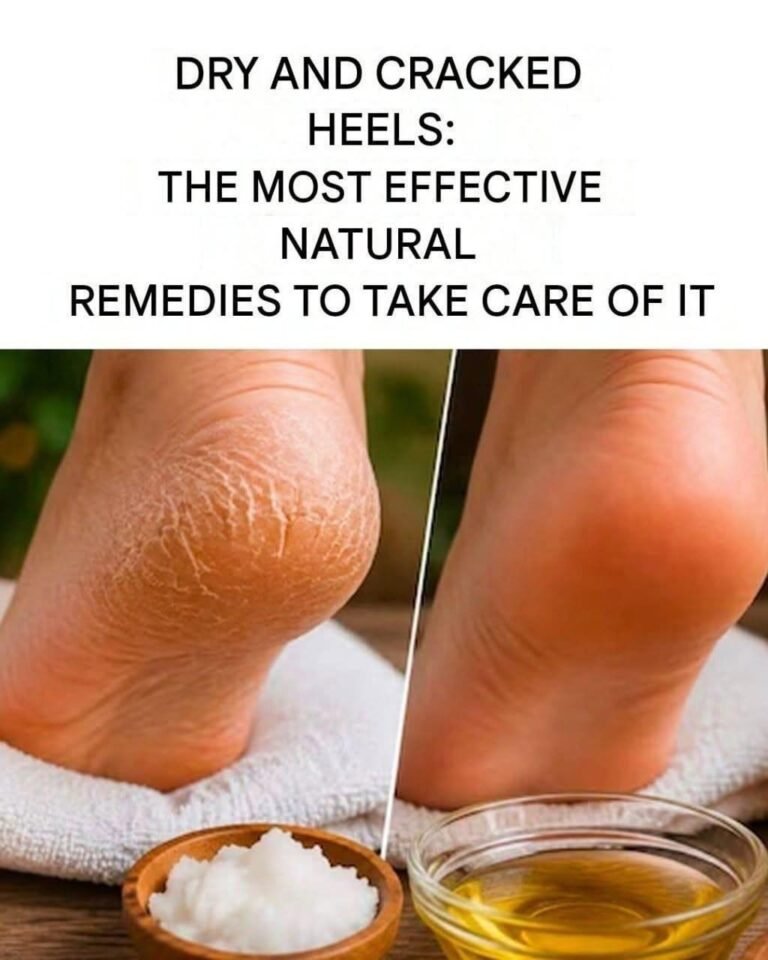
Dry and Cracked Heels: Effective Natural Remedies to Treat Them
Dry, cracked heels are a very common problem, especially during the summer when feet are more exposed and subjected to frequent stress. The skin on the heels can become rough and thickened and may develop small cracks that make the feet feel uncomfortable and less smooth. Several factors can contribute to dry, cracked heels, including…
Above-Fridge Cabinets: How to Actually Use This “Wasted” Space
Above-Fridge Cabinets: How to Actually Use This “Wasted” Space Those cabinets above your refrigerator look awkward, hard to reach, and easy to ignore, so most people leave them empty or fill them with clutter. But with the right approach, they become some of the most useful storage in your kitchen. Here’s how to organize them,…