Can a Natural Leaf Paste Help Darken Gray Hair? Exploring Traditional Hair Care Remedies
Can a Natural Leaf Paste Help Darken Gray Hair? Exploring Traditional Hair Care Remedies
Gray hair is a natural part of aging, but not everyone is ready to embrace the change. Some people love their silver strands, while others prefer to maintain a darker hair color.
In recent years, traditional plant-based hair treatments have attracted renewed attention, particularly homemade pastes made from leaves and other botanical ingredients.
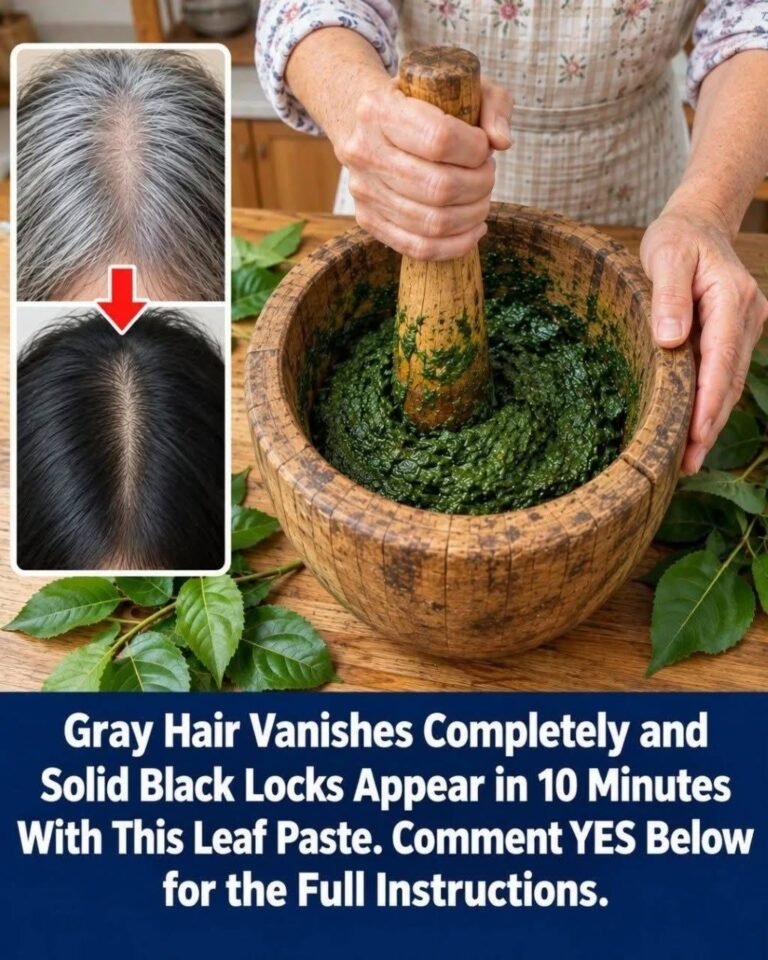
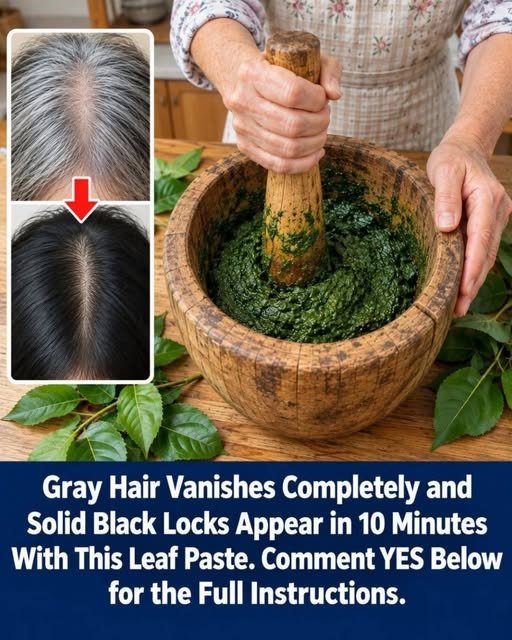
One popular idea involves applying a natural leaf paste to gray hair in hopes of making it appear darker without conventional chemical dyes.
But can these traditional preparations really work?
The answer depends on the plant being used, how the mixture is prepared, and whether the goal is to temporarily color the hair or restore its natural pigmentation.
Some botanical ingredients can deposit color onto hair strands, but there is no convincing scientific evidence that ordinary leaf pastes can permanently reverse age-related graying.
Understanding the difference between coloring gray hair and restoring natural pigment is essential before trying any homemade treatment.
Why Does Hair Turn Gray?
Hair color comes primarily from a natural pigment called melanin.
Specialized cells known as melanocytes produce melanin within hair follicles.
As hair grows, pigment becomes incorporated into the hair shaft, creating its natural color.
Over time, pigment-producing cells may become less active or decline in number.
When less melanin is incorporated into growing hair, strands gradually appear gray, silver, or white.
The Role of Genetics
Genetics play a major role in determining when hair begins to turn gray.
Some people notice their first gray strands in their twenties, while others maintain much of their natural color for decades.
There is considerable variation between individuals.
Other Factors That May Contribute
Certain medical conditions, nutritional deficiencies, and lifestyle factors can also influence hair pigmentation.
Smoking has been associated with premature graying in observational studies.
Deficiencies involving vitamin B12 or other nutrients may sometimes contribute, although correcting a deficiency does not guarantee the restoration of natural hair color.
Anyone experiencing unusually rapid or unexpected hair changes may benefit from professional evaluation.
What Is a Natural Leaf Paste for Hair?
A natural leaf paste is typically prepared by grinding or mixing plant material with water until it forms a spreadable consistency.
Traditional hair care practices in various regions have used different plants for coloring, conditioning, and grooming.
Two of the best-known botanical colorants are henna and indigo.
These are different plants with different coloring properties.
Henna Leaves
Henna comes from Lawsonia inermis.
Its leaves contain lawsone, a natural dye molecule that can bind to hair.
Pure henna generally produces reddish-orange to reddish-brown tones, depending on the original hair color and application conditions.
On white or gray hair, the resulting shade may appear brighter than on naturally dark strands.
Indigo Leaves
Indigo hair dye is commonly derived from Indigofera tinctoria.
When appropriately processed and used in hair-coloring preparations, indigo can contribute blue to dark tones.
It is often combined with henna in specific methods to create brown or black-looking results.
However, not every homemade leaf mixture contains reliable amounts of color-producing compounds.
The identity and preparation of the plant matter considerably.
Can Natural Leaves Restore Gray Hair to Its Original Color?
It is important to distinguish between two very different processes.
The first is coloring the hair shaft.
The second is restoring melanin production inside the hair follicle.
Plant-derived dyes such as henna and indigo can alter the visible color of existing hair by depositing pigment.
This is a cosmetic coloring effect.
They do not necessarily change how pigment is produced inside the follicle.
Currently, there is no established evidence that applying a generic leaf paste can reliably restart melanin production in age-related gray hair.
A natural dye may cover gray strands, but covering gray hair is not the same as reversing graying.