What to Do If You Spot a Spotted Lanternfly
What to Do If You Spot a Spotted Lanternfly
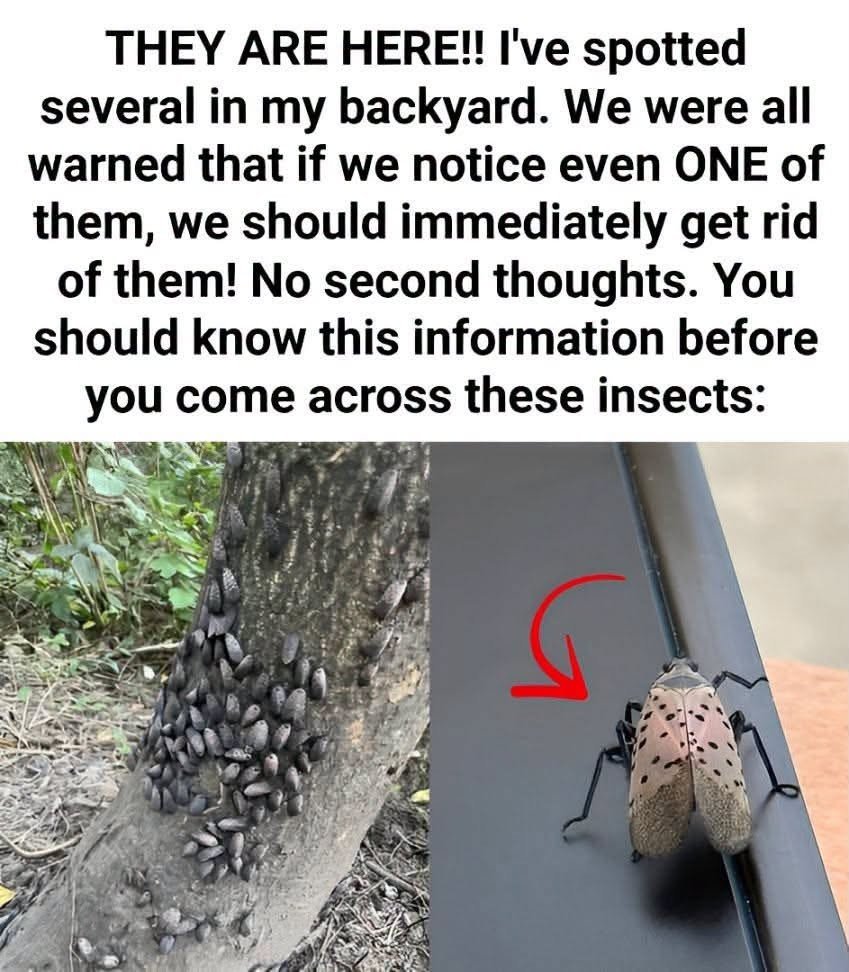
The insect in your photo looks like the spotted lanternfly, an invasive pest from Asia that feeds on trees, vines, and crops. In many US regions, officials ask residents to kill it and report sightings. Here’s how to confirm the ID, deal with adults and egg masses, and prevent it from spreading.
(Note: I’m identifying this from the photo. The pinkish-gray wings with black spots match, and the dark clusters on the trunk look like nymphs. Confirm with your local agriculture office. Rules vary by region, and some areas are not under quarantine.)
Step 1 — Identify and Report It
What to do: Confirm it’s a spotted lanternfly and check your local guidance.
How to do it: Adults are about 1 inch long, with gray-pink forewings dotted in black and red hindwings with black and white bands underneath. Nymphs are black with white spots, turning red before adulthood. Take a clear photo and contact your state department of agriculture or extension office, since many accept reports through an online form. If you’re outside an infested area, a report matters most.
Common mistake to avoid: Assuming every spotted bug is a lanternfly. Some native moths and beetles look similar, so verify before treating.
Step 2 — Kill Adults and Nymphs
What to do: Remove the insects quickly to limit feeding and spread.
How to do it: Squash or stomp them, or knock them into a container of soapy water or rubbing alcohol. For clusters on a trunk, scrape them into the container with a stiff card or brush. Insecticidal soap or horticultural oil can treat nymph groups on plants, following the label. For large infestations or valuable trees, consult a licensed pest professional.
Common mistake to avoid: Spraying strong pesticides broadly. This can harm bees and other beneficial insects, and it’s rarely necessary for a few insects.
Step 3 — Destroy Egg Masses and Stop the Spread
What to do: Look for and scrape egg masses, and check items before moving them.
How to do it: From fall through spring, look for gray, mud-like patches of 30 to 50 eggs on trees, stones, outdoor furniture, vehicles, and firewood. Scrape them into a bag with a plastic card, then seal it and freeze it, or drop it in alcohol or hand sanitizer. If you travel from an infested area, inspect your car, trailers, and gear.
Common mistake to avoid: Leaving egg masses in place. A single mass can produce dozens of new insects.