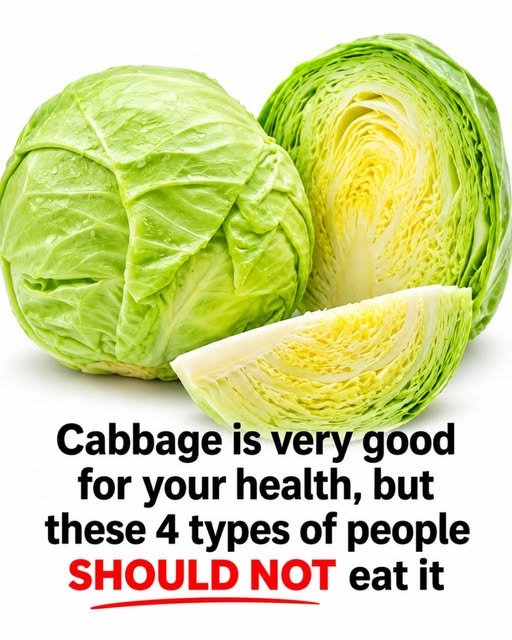
4 Types of People Who Should Be Careful About Eating Cabbage
3. People With Certain Thyroid Conditions
Cabbage contains natural compounds called glucosinolates.
When these compounds are broken down, some resulting substances can influence iodine utilization under particular circumstances.
Because iodine is necessary for producing thyroid hormones, concerns have developed about eating cruciferous vegetables when someone has an underactive thyroid.
However, the issue is more complicated than many online articles suggest.
Does Cabbage Cause Hypothyroidism?
Ordinary cabbage consumption has not been shown to cause hypothyroidism in people who obtain adequate iodine.
Potential concerns are generally associated with unusually large quantities of raw cruciferous vegetables, especially when iodine intake is inadequate.
Cooking can reduce some of the activity of compounds involved in these effects.
For most people with thyroid conditions, reasonable portions of cooked cabbage can remain part of a balanced diet.
What About People Taking Thyroid Medication?
Individuals taking levothyroxine should follow their prescribed medication schedule.
Food, supplements, and certain minerals can affect medication absorption.
However, cabbage does not need to be automatically excluded from the diet.
If you have hypothyroidism and regularly consume very large quantities of raw cabbage or concentrated vegetable juices, discuss your dietary habits with your healthcare professional.
The goal is to maintain adequate nutrition without creating unnecessary food restrictions.
4. People With a Confirmed Cabbage Allergy
Although uncommon, allergic reactions to cabbage and other cruciferous vegetables can occur.
Food allergies develop when the immune system reacts to particular proteins.
Symptoms may appear shortly after eating the food.
Possible Symptoms
An allergic reaction can involve:
- Itching or tingling in the mouth.
- Skin redness or hives.
- Swelling of the lips or face.
- Digestive discomfort.
- Wheezing or breathing difficulties.
Symptoms vary in severity.
A serious allergic reaction, known as anaphylaxis, requires immediate emergency medical attention.
What Should You Do if You Suspect an Allergy?
Stop eating the suspected food and seek medical advice.
A qualified allergy specialist may recommend appropriate testing based on your medical history.
Do not attempt to confirm a potentially serious allergy by deliberately eating cabbage again at home.
If a true cabbage allergy is diagnosed, avoiding the food may be necessary.
This situation differs from ordinary bloating or food intolerance.
Is Raw Cabbage Worse Than Cooked Cabbage?
Neither form is automatically better for everyone.
Raw cabbage offers a crisp texture and retains certain heat-sensitive nutrients.
Cooked cabbage becomes softer and may be easier for some people to tolerate.
Cooking methods also influence nutritional content.
Boiling can reduce levels of some water-soluble vitamins, particularly when the cooking water is discarded.
Steaming or briefly sautéing may preserve more of certain nutrients.
The most appropriate choice depends on personal preferences, digestive tolerance, and dietary needs.
What About Sauerkraut and Fermented Cabbage?
Sauerkraut is made by fermenting shredded cabbage.
It has a distinctive tangy flavor and is commonly served with savory meals.
Fermentation changes the vegetable’s composition and may affect how some individuals tolerate it.
However, fermented cabbage can be high in sodium, particularly when commercially prepared.
People who need to limit sodium should check food labels and consider portion sizes.
Fermented foods can also trigger symptoms in certain individuals with digestive sensitivities.
They are not automatically suitable for everyone.
How Much Cabbage Is Safe to Eat?
There is no universal maximum serving size that applies to every healthy person.
For most adults, cabbage can be included as one part of a varied vegetable intake.
A moderate serving might be approximately half a cup to one cup, depending on preparation and individual needs.
People who are not accustomed to high-fiber foods may prefer smaller portions initially.
Those with specific medical conditions should follow personalized guidance rather than adopting strict restrictions based on general internet advice.
Healthy Ways to Prepare Cabbage
Cabbage can be incorporated into meals in many simple ways.
Steamed Cabbage
Steam chopped cabbage until tender.
Add a small amount of olive oil, lemon juice, and herbs for flavor.
Homemade Vegetable Soup
Combine cabbage with carrots, onions, tomatoes, and other vegetables.
Simmer until everything becomes tender.
Lightly Sautéed Cabbage
Cook sliced cabbage in a small amount of olive oil with garlic.
Stir occasionally until softened.
Fresh Cabbage Salad
Shred cabbage and combine it with carrots and a light dressing.
For people who tolerate raw vegetables well, this can be a refreshing side dish.
When Should You Seek Medical Advice?
Most mild gas or bloating after eating cabbage is not dangerous.
However, certain symptoms deserve medical evaluation.
Seek advice if you experience persistent abdominal pain, repeated vomiting, unexplained weight loss, or significant changes in bowel habits.
Emergency care is necessary for symptoms suggesting a severe allergic reaction, including difficulty breathing or swelling involving the tongue or throat.
Anyone taking warfarin should consult their healthcare team before making major changes to vitamin K intake.
Frequently Asked Questions
Can Cabbage Cause Gas?
Yes. Cabbage contains fermentable carbohydrates and fiber that may contribute to gas and bloating in some individuals.
Should People With Hypothyroidism Avoid Cabbage?
Usually not. Moderate amounts, particularly when cooked, are generally compatible with a balanced diet. Individual medical circumstances may require additional guidance.
Is Cabbage Dangerous for People Taking Blood Thinners?
Cabbage is not automatically prohibited. People taking warfarin should maintain consistent vitamin K intake and follow medical advice.
Can You Be Allergic to Cabbage?
Yes, although it is uncommon. A confirmed allergy may require avoidance.
Final Thoughts
Cabbage is a nutritious vegetable that provides fiber, vitamins, and beneficial plant compounds.
For most people, it can be enjoyed as part of a healthy and varied diet.
However, four groups deserve additional consideration: people taking warfarin, those with certain digestive sensitivities, individuals managing particular thyroid concerns, and people with confirmed cabbage allergies.
The key message is not that cabbage is dangerous, but that individual health circumstances can affect how a food should be consumed.
Rather than removing cabbage from your diet unnecessarily, focus on appropriate portions, preparation methods, and professional guidance when needed.
With those considerations in mind, cabbage can remain a delicious and affordable addition to everyday meals.