Cracks Inside a Watermelon: What They Mean and When to Worry
Cracks Inside a Watermelon: What They Mean and When to Worry
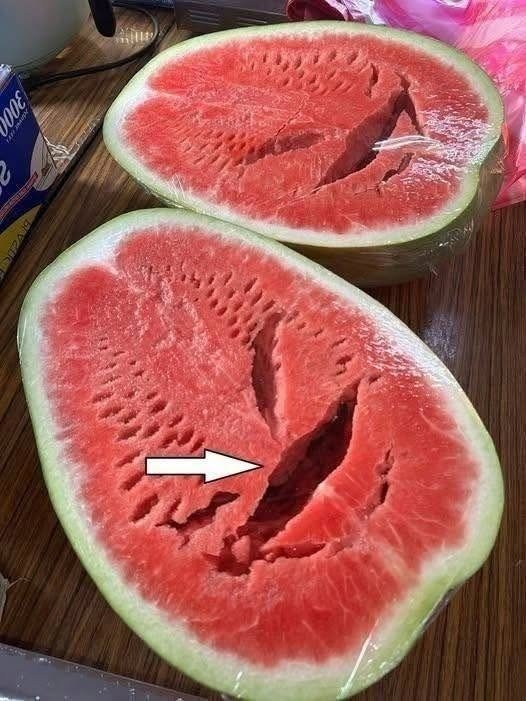
Cutting open a watermelon and finding a crack or hollow gap inside can be alarming, but it is usually harmless. This guide explains what causes those cracks, how to tell whether the fruit is still safe to eat, and which signs mean you should actually throw it away.
Step 1 — Inspect the Flesh
What to do: Look closely at the crack and the flesh around it.
How to do it: Check whether the flesh is firm, bright red, and glossy. Hollow heart cracks have clean, smooth edges and the surrounding flesh looks normal. They form when the fruit grows unevenly, often because of rapid growth after rain, irregular watering, or poor pollination.
Common mistake to avoid: Assuming every crack means contamination. A clean internal split is a cosmetic flaw, not a health risk on its own.
Step 2 — Smell and Taste a Small Piece
What to do: Check for the signs of real spoilage.
How to do it: Smell the cut surface. It should smell fresh and sweet. Then taste a small piece. Discard the fruit if it smells sour, fermented, or alcoholic, tastes off, or feels slimy, mushy, or stringy.
Common mistake to avoid: Judging only by looks. A melon can seem fine but be spoiled, especially if it was cut days ago or left out in the heat.
Step 3 — Store and Serve Safely
What to do: Keep the good parts fresh and safe.
How to do it: Wrap cut halves tightly in plastic wrap or store the pieces in airtight containers in the fridge. Eat them within 3-5 days. If a crack has dark, dried, or discolored edges, cut that part out and discard it.