Earwig Pinch vs. Bite: What It Is and How to Care for Your Child
Earwig Pinch vs. Bite: What It Is and How to Care for Your Child
Introduction
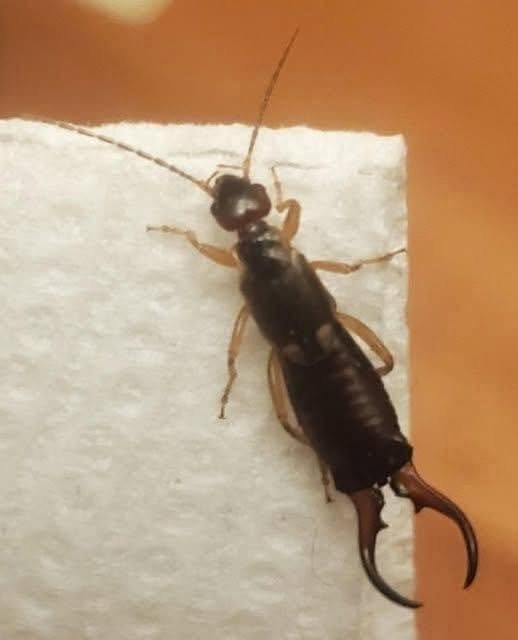
Finding an intimidating insect with large pincers near your child is alarming, especially after a painful pinch. That terrifying-looking bug is a common earwig (likely a male European earwig, Forficula auricularia), and despite urban legends, they are completely non-venomous and harmless to humans. In this guide, you will learn how to identify this pest, soothe your daughter’s skin immediately, and keep earwigs out of your home for good.
Step 1 — Identify the Insect and Assess the Skin
What to do: Confirm the bug is an earwig and check your daughter’s skin for minor pinching marks rather than a venomous bite. How to do it: Look at the insect’s back end. Earwigs have a reddish-brown, flattened body and distinctive curved pincers (called cerci) on their abdomen—curved pincers indicate a male, while straight ones indicate a female. Short practical explanation: Earwigs do not have venom glands and rarely break human skin; when frightened or trapped against clothing, they use their pincers defensively to give a sharp, harmless pinch.
Step 2 — Clean and Soothe the Pinched Area
What to do: Wash the affected spot and apply a cool compress to ease any immediate stinging or redness.How to do it: Gently wash the skin with warm water and mild soap to clear away any surface bacteria from the bug’s pincers. Pat dry, then hold a clean, cool, damp cloth against the mark for 10 to 15 minutes. If it itches, apply a thin layer of over-the-counter hydrocortisone cream or calamine lotion.Common mistake to avoid: Do not squeeze, scratch, or apply harsh chemicals like rubbing alcohol or bleach to the spot, as this can irritate a child’s sensitive skin and increase the risk of a secondary skin infection.